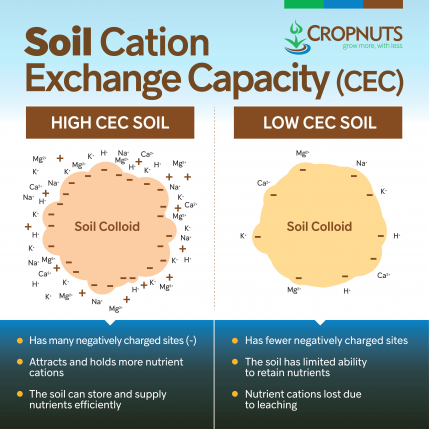
The interplay between soil nutrients and plant health is a quintessential subject for agronomists, ecologists, and gardeners alike. Central to this discussion is Cation Exchange Capacity, commonly known as CEC. This critical property of soil defines its ability to retain and exchange positively charged ions, known as cations, such as calcium, magnesium, and potassium. A high CEC indicates a soil’s extraordinary ability to provide essential nutrients to plants, while a low CEC may lead to deficiencies that can hinder plant growth.
Biochar, an ancient soil amendment made from pyrolyzed organic material, has garnered considerable attention in recent years for its potential to enhance soil health dramatically. When combined with the principles of CEC, biochar creates a synergistic relationship that can transform poor soils into fertile lands, promoting sustainable agricultural practices and environmental health. This article delves into the intricate dynamics between CEC and biochar, exploring how they collectively bolster soil health.
Understanding Cation Exchange Capacity (CEC)
At its core, CEC is a measure of how well soil can hold cations, and its implications reach beyond mere nutrient retention. It encompasses various factors such as soil texture, mineral composition, and organic matter content. Soils with high CEC—often clayey and organically rich—are capable of retaining more nutrients and moisture compared to sandy soils, which typically exhibit lower CEC.
Moreover, CEC is measured in milliequivalents per 100 grams of soil (meq/100g). To put it into perspective, a soil with a CEC of 15 meq/100g is deemed fertile, allowing for an abundance of nutrient storage. This quality is instrumental for sustaining crops through various growth stages, ensuring that essential elements are readily available for uptake.
The Role of Biochar in Soil Enhancement
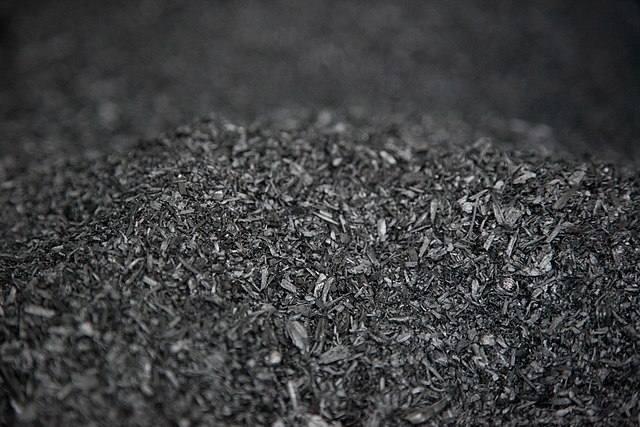
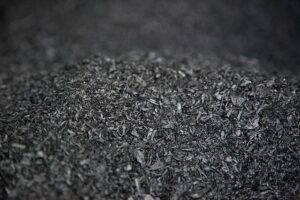
Biochar, a carbon-rich material derived from the thermal decomposition of organic matter, presents a compelling means to enhance soil fertility. Its creation process, known as pyrolysis, not only stabilizes carbon but also transforms complex organic matter into a stable form that resists decomposition. This uniquely positions biochar as an effective soil amendment, particularly when addressing challenges presented by low CEC soils.
One of the most notable attributes of biochar is its vastly increased surface area and porous structure. This architectural feature significantly augments the soil’s overall CEC by providing ample sites for cation retention. With higher surface area, biochar effectively promotes an increase in microbial habitats, further encouraging biodiversity crucial for healthy soil ecosystems.
Biochar’s Influence on CEC
When incorporated into soils, biochar enhances cation retention capabilities. Its inherent properties allow for the adsorption of both cations and anions, creating a more robust nutrient reservoir. Consequently, the addition of biochar can effectively elevate the CEC of low-performance soils, enabling them to retain vital nutrients more efficiently. This is particularly beneficial for agricultural systems facing nutrient leaching, as biochar can act as a barrier against nutrient loss.
Cation Exchange Dynamics Enhanced by Biochar
The interaction between soil minerals and cations is crucial for healthy plant growth. The introduction of biochar modifies these interactions. It is not simply a matter of adding nutrients; biochar alters the entire nutrient exchange landscape by creating a dynamic equilibrium between soil particles and cations.
For example, as biochar binds cations to its surfaces, it creates a stronger bond with essential nutrients, mitigating leaching and ensuring sustained availability. This cationic exchange is crucial during periods of heavy rainfall when traditional high-CEC soils might still experience nutrient washout.
Moreover, biochar’s electrochemistry plays a vital role in nutrient mobility. It can help in the transition of nutrients from one form to another, ensuring that they are in a bioavailable state for plant uptake. This not only aids in nutrient acquisition but also enhances overall plant health and productivity.
Synergistic Benefits for Agricultural Practices
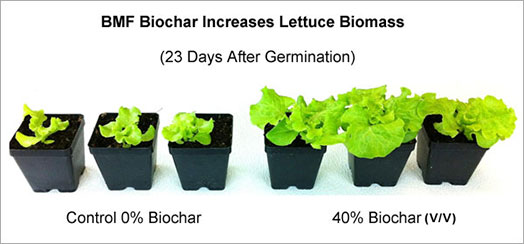
The amalgamation of biochar with a conducive CEC creates an ecologically responsible approach to agriculture. By sustainably altering soil health, farmers can rely less on synthetic fertilizers, reducing their ecological footprint and contributing positively to the environment. Enhanced soils are more resilient to climatic fluctuations, enabling farms to adapt to a changing climate while maintaining productivity.
Furthermore, the introduction of biochar reverberates through the agricultural ecosystem. It fosters improved soil structure, contributing to better water retention and aeration, which promotes root proliferation and overall plant vigor. This healthy microenvironment catalyzes beneficial microbial processes, further enriching the soil food web.
Challenges in Implementation
The Future of CEC and Biochar in Soil Management
As the agricultural sector continues to confront sustainability issues, the exploration of CEC and biochar offers promising avenues for enhancing soil health. Research on biochar’s role in various soil types, its interactions with different plant species, and its influence on nutrient cycling is ongoing. These studies pave the way for greater understanding and innovative practices that will transform soil management globally.
In conclusion, the intricate relationship between CEC and biochar reveals transformative possibilities for soil health. By leveraging the remarkable properties of biochar, we can enhance nutrient retention, mitigate environmental impacts, and ensure sustainable agricultural practices that benefit both farmers and ecosystems. This evolving paradigm is essential for ensuring food security and fostering resilient landscapes amid the challenges of a changing climate.