Biochar, an ancient practice reimagined for modern agricultural purposes, has garnered significant attention in recent years. As societies become increasingly aware of sustainable practices and environmental stewardship, biochar stands out as a pivotal player in enhancing soil health and, consequently, the vitality of grains and cereals. This article explores the multifaceted relationship between biochar and cereals and grains, delving into its benefits, applications, and the types of grains that particularly thrive in biochar-enriched soils.
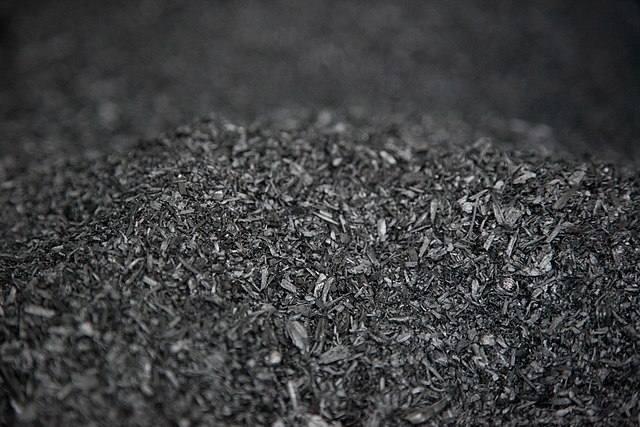
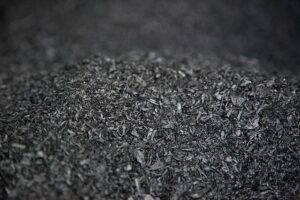
Biochar is produced through the pyrolysis of organic materials—typically biomass such as wood chips, crop residues, or manure—under conditions of low oxygen. This process converts the biomass into a stable form of carbon that can sequester carbon dioxide in the soil and enhance its fertility. The result is a porous, nutrient-rich amendment that can be integrated into agricultural practices. The application of biochar in cereal and grain production can profoundly impact yields, nutrient retention, and overall soil structure.
The Scientific Underpinnings of Biochar
To understand why biochar benefits cereal and grain production, one must first explore its unique properties. Biochar establishes a vast network of pores and channels within the soil, drastically improving aeration and water retention. These pores create an ideal habitat for beneficial microorganisms, fostering a vibrant ecosystem that can break down organic matter and make nutrients more accessible to plants.
Moreover, biochar has a high cation exchange capacity (CEC), which refers to its ability to hold positively charged ions (cations) such as calcium, magnesium, and potassium. These essential nutrients are crucial for optimal plant health and growth. By retaining nutrients within its structure, biochar mitigates the risk of leaching, ensuring that cereal crops have a constant supply of vital elements throughout the growing season.
Types of Biochar and Their Specific Characteristics
When discussing biochar, it is pivotal to consider that not all types are created equal. The characteristics of biochar can vary based on the feedstock used and the pyrolysis conditions. For instance, wood-based biochar often has a higher carbon content and may be better suited for soils lacking organic material. On the other hand, manure-based biochar can provide an immediate nutrient boost, making it ideal for heavy feeders like corn and rice.
Enhancing Soil Fertility for Various Grains
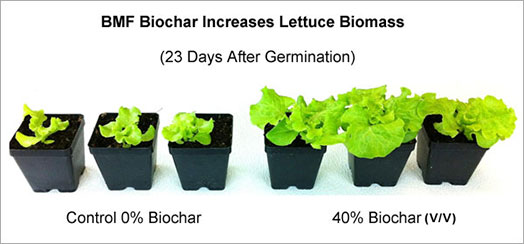
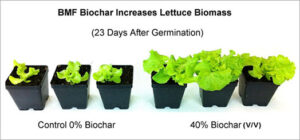
The incorporation of biochar into soil has shown remarkable results across various grain types. For example, wheat—one of the world’s most cultivated crops—benefits from the soil structure enhancement provided by biochar. Studies have indicated that biochar can improve wheat yield by boosting nutrient availability and increasing resistance to drought conditions.
Similarly, rice cultivation in flooded conditions has seen positive changes with the addition of biochar. Rice paddies often suffer from nutrient depletion, and biochar helps retain nitrogen and phosphorus, which are critical for rice development. Additionally, biochar can reduce methane emissions from rice fields, making the practice more environmentally sustainable.
Other cereals, such as barley, oats, and sorghum, have also demonstrated improved growth when cultivated in biochar-amended soils. Each grain type can uniquely interact with the properties of biochar, making the selection of suitable feedstock essential for maximizing agricultural outcomes.
Environmental Implications of Using Biochar
The environmental implications of biochar implementation extend beyond individual crop yields. As biochar sequesters carbon, it can be a significant tool in addressing climate change concerns. When applied to soils, biochar not only helps reduce atmospheric carbon dioxide but also improves soil resilience against erosion, maintaining the health of ecosystems essential for numerous grains and cereals.
Moreover, the utilization of waste materials in biochar production leads to a circular economy, minimizing the reliance on chemical fertilizers and reducing the ecological footprint of agricultural practices. As more farmers adopt biochar, the collective impact can lead to a sustainable model that supports food security while preserving natural resources.
Biochar Application Techniques
Applying biochar to soils can be achieved through various methods, each having distinct advantages. Incorporation into the soil can be performed before planting or even during cultivation. No-till farming practices, infused with biochar amendments, allow for the preservation of soil structure while enhancing fertility without disrupting the existing ecosystem.
Another technique involves top-dressing with biochar, where it is spread over the soil surface. In this method, rainwater disperses biochar into the soil, gradually enhancing its fertility. While this approach might not have immediate visible effects, it fosters long-term benefits that can arise from increased microbial activity and nutrient cycling.
Challenges and Considerations
In conclusion, the synergy between biochar and cereals and grains represents a remarkable opportunity for agricultural advancement. By enhancing soil health and fertility, biochar stands as a transformative component in achieving sustainable farming practices. As farmers and researchers continue to unravel its potential, biochar may play a pivotal role in creating resilient agricultural systems primed to meet the challenges of the future. With further exploration and understanding, the world of grains can be empowered, contributing to a more sustainable agricultural landscape.