In recent years, the burgeoning interest in biochar as a sustainable soil amendment has catalyzed a pressing need for clarity regarding its certifications and quality standards. With various scientific studies extolling the virtues of this carbon-rich material, ranging from enhanced soil fertility to reduced greenhouse gas emissions, stakeholders often seek assurances regarding the quality and safety of biochar products. This article endeavors to elucidate the critical certifications and quality standards that govern the production and utilization of biochar, paving the way for informed decisions by growers, manufacturers, and environmentalists alike.
Understanding Biochar
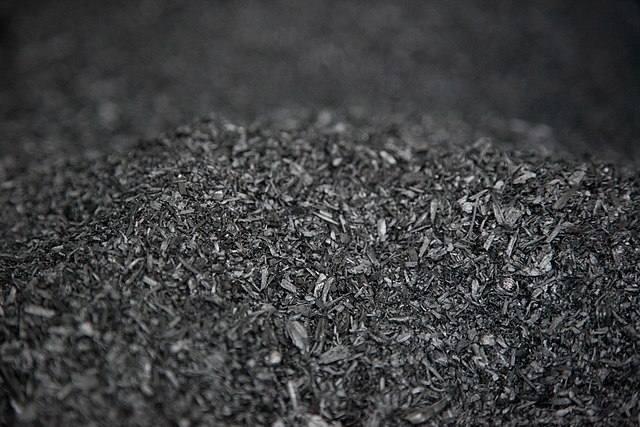
Biochar, a stable form of carbon produced through the pyrolysis of biomass, not only contributes to carbon sequestration but also ameliorates soil properties. It is essential to comprehend that not all biochar is created equal. Variations in feedstock, pyrolysis conditions, and post-production modifications can significantly influence its chemical and physical characteristics. Thus, the need for robust quality standards is paramount in ensuring its efficacy and safety.
1. The Importance of Certifications
Certifications serve as a benchmark for quality assurance, ensuring that biochar products meet specific safety and performance criteria. They provide transparency within the supply chain and foster trust among consumers. Understanding the different certifications available can markedly enhance the decision-making process for buyers.
2. Types of Biochar Certifications
Among the myriad of certifications available, several stand out due to their rigorous testing processes and established credibility. Below are some of the most critical certifications that pertain to biochar:
- European Biochar Certificate (EBC): The EBC guidelines are pivotal in promoting high-quality biochar production across Europe. This certification encompasses a stringent set of criteria, including feedstock inputs, production methods, and potential contaminants. Moreover, it facilitates a standardized assessment of biochar’s agronomic performance.
- International Biochar Initiative (IBI) Standards: The IBI has developed a comprehensive set of standards that address environmental and health safety aspects of biochar. This includes rigorous evaluation of the raw materials used, the process of pyrolysis, and the final biochar product’s characteristics. IBI certification bolsters market access and adds credibility to biochar producers.
- USDA Certified Organic: For biochar to qualify as organic, it must meet the USDA’s stringent standards. Biochar used in organic farming must be derived from permitted feedstocks and produced without synthetic chemicals, ensuring its compatibility with organic farming practices.
- ASTM International Standards: ASTM has developed various standards focused on evaluating biochar’s physical and chemical properties. These standards assist manufacturers in ensuring compliance with product specifications and facilitate a common understanding of biochar characteristics in the marketplace.
3. Chemical and Physical Properties Assessment
In order to adhere to quality certifications, biochar undergoes extensive testing to assess various properties. Understanding these properties not only aids producers but also empowers consumers to make educated decisions. Essential properties include:
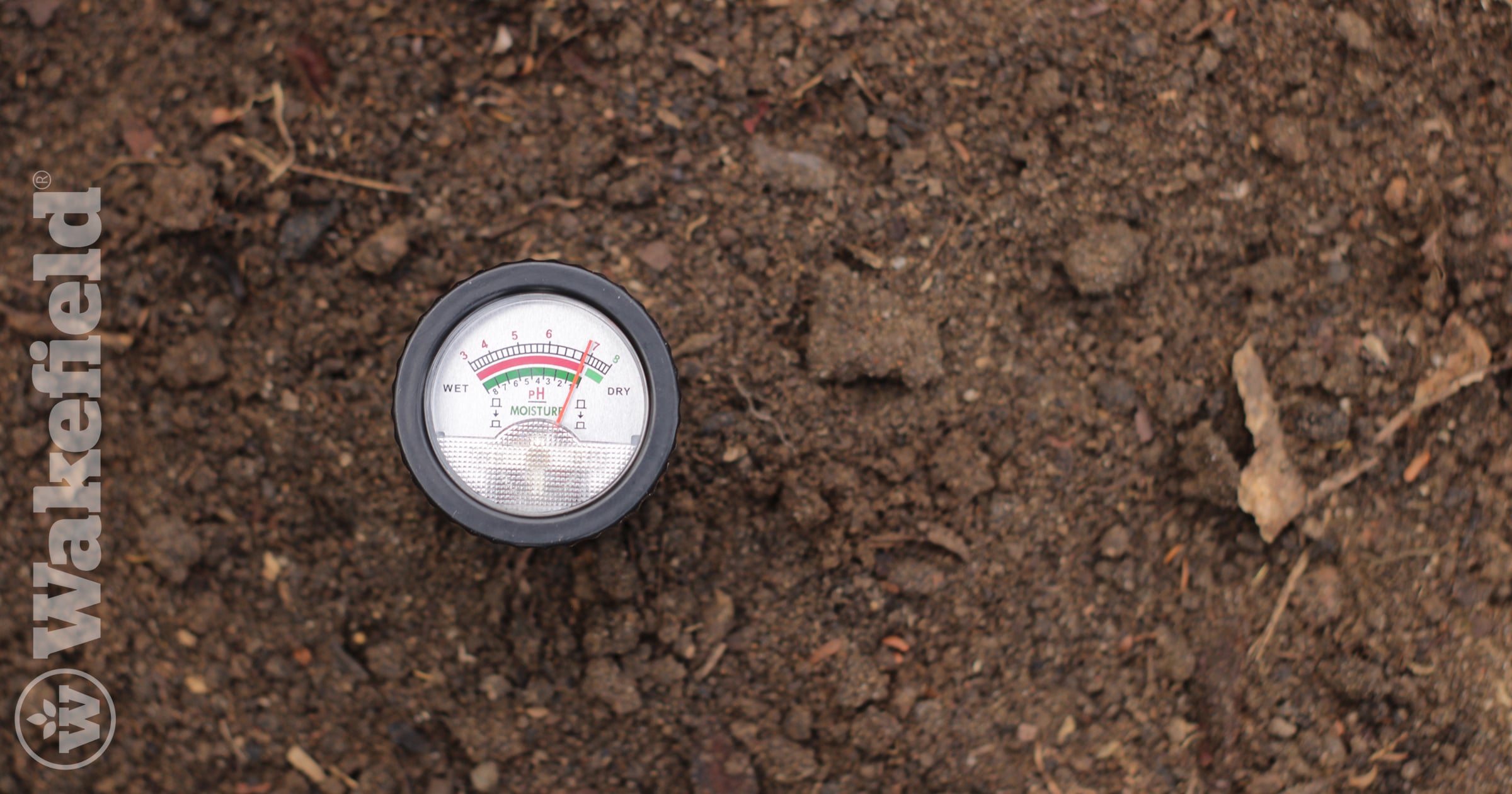
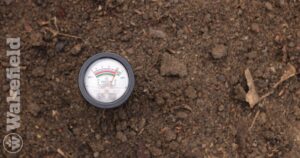
- pH Levels: The pH of biochar can dramatically influence soil chemistry and microbiology. Certifications often require specific pH ranges to ensure optimal compatibility with soils.
- Carbon Content: High carbon content is desirable in biochar, as it signifies greater stability and potential for long-term carbon sequestration. Thus, certifications will often specify minimum carbon thresholds.
- Contaminant Levels: Regulatory standards necessitate tests for heavy metals, PAHs (polycyclic aromatic hydrocarbons), and other potentially harmful substances. Certification bodies routinely test these levels to ensure compliance with safety benchmarks.
- Surface Area and Porosity: The physical structure of biochar, including its surface area and porosity, is crucial for its effectiveness as a soil amendment. These properties determine its ability to retain moisture and nutrients, which are essential for plant growth.
4. Environmental Sustainability Considerations
Beyond the immediate factors of quality, the sustainability of biochar production processes is becoming increasingly critical. Certifications also extend to environmentally sustainable practices, encompassing:
- Feedstock Sustainability: Certification bodies encourage the use of renewable biomass sources while steering producers away from fossil fuels and unsustainable forestry practices.
- Life Cycle Assessment (LCA): Comprehensive LCA methodologies help in evaluating the environmental impacts of biochar from its production to its application in soils. Certified products are often required to undergo life-cycle assessments to validate their sustainability claims.
5. The Role of Consumer Awareness
As biochar continues to gain traction in agricultural and environmental sectors, consumer awareness regarding certifications is vital. By understanding what different certifications mean, consumers can ascertain the quality of biochar products and opt for those that align with their sustainability principles and agricultural needs. Educational initiatives and promotional efforts by certifying organizations can facilitate this awareness, ultimately leading to a more educated market.
Conclusion
The certification and quality standards for biochar are paramount in promoting its responsible use and facilitating its acceptance. Given the diversity of applications—from agriculture to climate mitigation—ensuring high-quality biochar through rigorous standards bolsters its efficacy and safety. Consumers, producers, and policymakers must collaborate to foster a well-regulated biochar industry that contributes to sustainable agricultural practices and environmental health while focusing on delivering high-quality products.