When it comes to nurturing your garden, finding the right soil amendments can make all the difference. Have you ever wondered why some plants thrive while others languish, barely scraping by? It’s often a question of nutrition and soil structure. Enter Char Bliss, a 16-quart package of Organic Biochar that promises to revolutionize your planting experience. Can this carbon-rich substance truly perform miracles for your greenery? Let’s delve into the world of Char Bliss and explore how it can positively influence plant growth.
Understanding Biochar
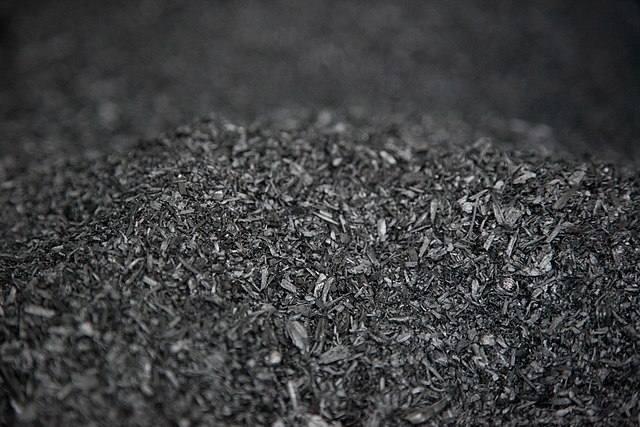
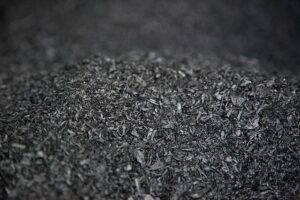
First things first: what exactly is biochar? At its essence, biochar is a type of charcoal produced through the pyrolysis of biomass, transforming organic matter into a stable form of carbon. This carbon is then sequestered in the soil, providing a wide array of benefits that traditional fertilizers simply cannot match. This innovative soil amendment boasts a porous structure that enhances aeration and retains moisture while benefiting soil health.
But what sets Char Bliss apart from other biochar products on the market? This specific formulation is derived from organic materials, ensuring a high-quality product free of harmful chemicals and additives. For eco-conscious gardeners, Char Bliss embodies a sustainable solution, improving soil health while reducing waste.
Benefits of Using Char Bliss
Now, let’s take a closer look at the multifaceted advantages of using Char Bliss in your garden:
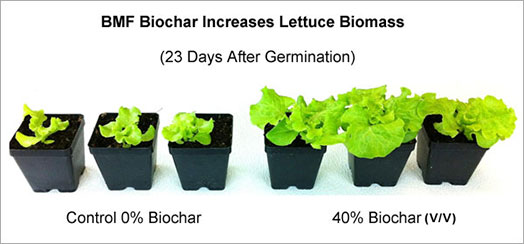
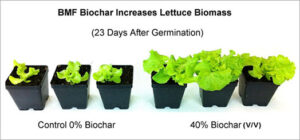
- Enhanced Soil Structure: The porous nature of biochar allows it to retain water and nutrients effectively. This means your plants can access what they need without the risk of leaching. The resultant improved soil structure promotes root development, helping your plants grow stronger and healthier.
- Increased Nutrient Availability: Biochar has a unique capacity to absorb and hold onto nutrients, which can otherwise wash away. Char Bliss serves as a reservoir for essential elements like nitrogen, phosphorus, and potassium, releasing them slowly over time. This slow-release mechanism is integral for sustainable plant growth.
- Soil Microbial Activity: The introduction of Char Bliss into the soil enriches the habitat for beneficial microorganisms. These microscopic entities play a crucial role in nutrient cycling, breaking down organic matter and improving soil fertility. A thriving microbial population is indicative of robust soil health, which in turn supports vigorous plant growth.
- pH Balance: Many gardeners struggle with pH imbalances that can inhibit nutrient uptake. Char Bliss can help ameliorate acidity levels, creating a more suitable environment for optimal plant performance.
- Sustainable Practice: By using organic materials for its creation, Char Bliss supports eco-friendly gardening practices. Utilizing waste biomass reduces landfill contributions and promotes carbon sequestration in the soil, addressing climate change concerns.
Application Tips
Are you ready to give Char Bliss a try? Proper application is key to unlocking its full potential. Here are some effective tips to integrate this biochar into your gardening routine:
- Mix with Soil: The best way to use Char Bliss is by mixing it thoroughly into your existing soil. This integration helps to improve overall soil structure and nutrient retention. Aim for a mixture ratio of about 10-20% biochar to soil, depending on your specific gardening needs.
- Pre-Conditioning: Before introducing Char Bliss to your soil, consider pre-conditioning it with nutrient-rich compost or liquid fertilizers. This process inoculates the biochar, making it more effective when it comes in contact with plants.
- Layering: For garden beds or pots, layering biochar on top of the soil can also be beneficial. This technique promotes improved water retention and nutrient availability right at the soil surface.
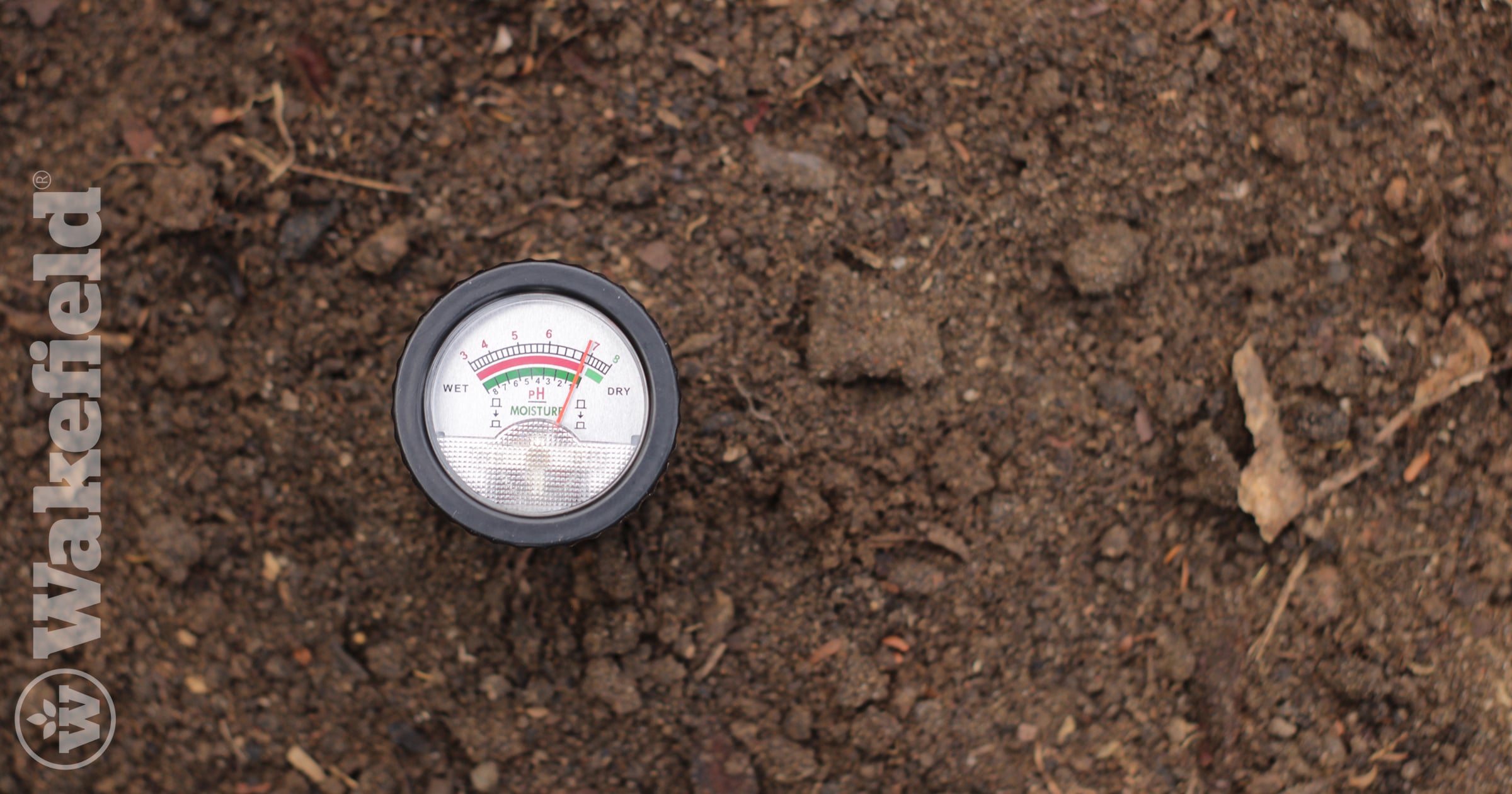
- Regular Testing: Keep an eye on your soil’s pH and nutrient levels after using Char Bliss. Regular soil tests can help you determine if adjustments are necessary or if your plants are thriving as expected.
Potential Challenges
Conclusion: A New Gardening Ally