In the grand theater of soil amendments, both charcoal ash and biochar have carved out their illustrious niches. The juxtaposition of these two materials often leads to a fascinating conundrum for gardeners, farmers, and soil enthusiasts alike: which one truly reigns supreme? This exploration delves into the intricate characteristics of each, revealing their respective merits and shortcomings, while promising a shift in perspective for anyone seeking to cultivate richer, more vibrant soils.
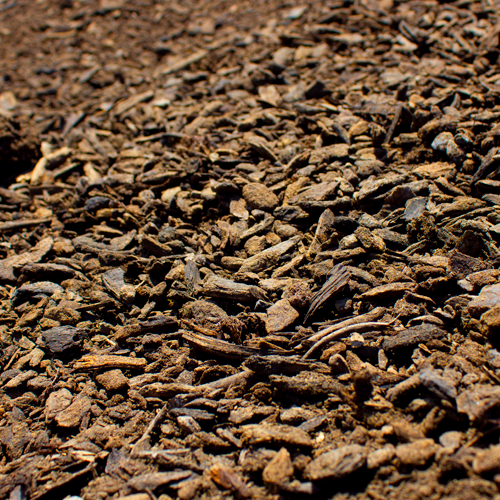
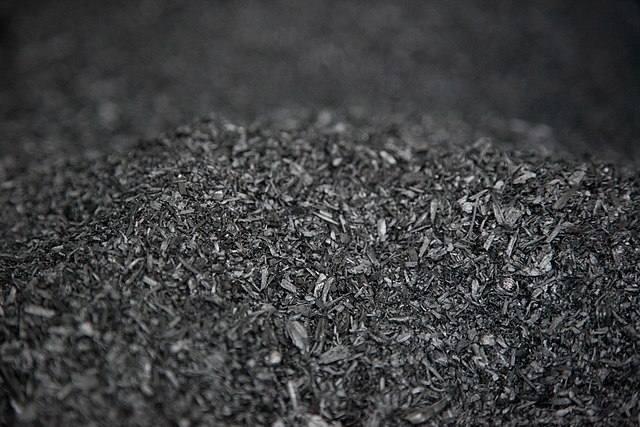
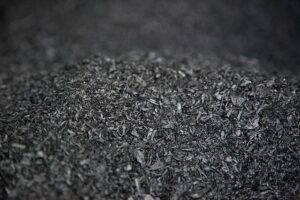
To start, it’s essential to explore the origins of each amendment. Charcoal ash is a byproduct of burning wood or other organic materials. Charcoal, the precursor to ash, is created through pyrolysis—a process of heating in the absence of oxygen. As the flames consume the organic matter, the result is a fine, powdery substance that retains some of the nutrients from the original material, albeit in diminished quantities after combustion. Conversely, biochar is a more refined product. It is intentionally produced through controlled pyrolysis and is specifically designed for soil enhancement. Retaining carbon and essential nutrients, biochar emerges as a concentrated reservoir of beneficial properties.
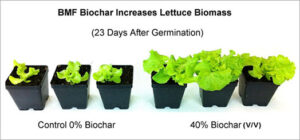
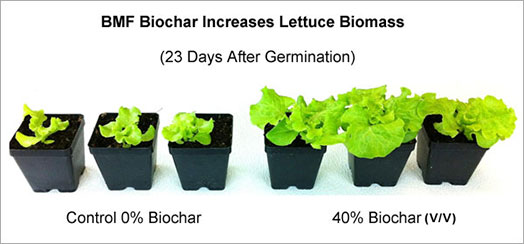
One of the most compelling characteristics of biochar is its remarkable ability to improve soil structure. Its porous, sponge-like nature bolsters soil aeration and water retention, offering a home for beneficial microorganisms—those tiny allies that play a critical role in the decomposition of organic matter and nutrient cycling. As biochar percolates into the earth, it serves as a habitat, nurturing earthworms and bacteria, thereby enhancing the soil’s overall health.
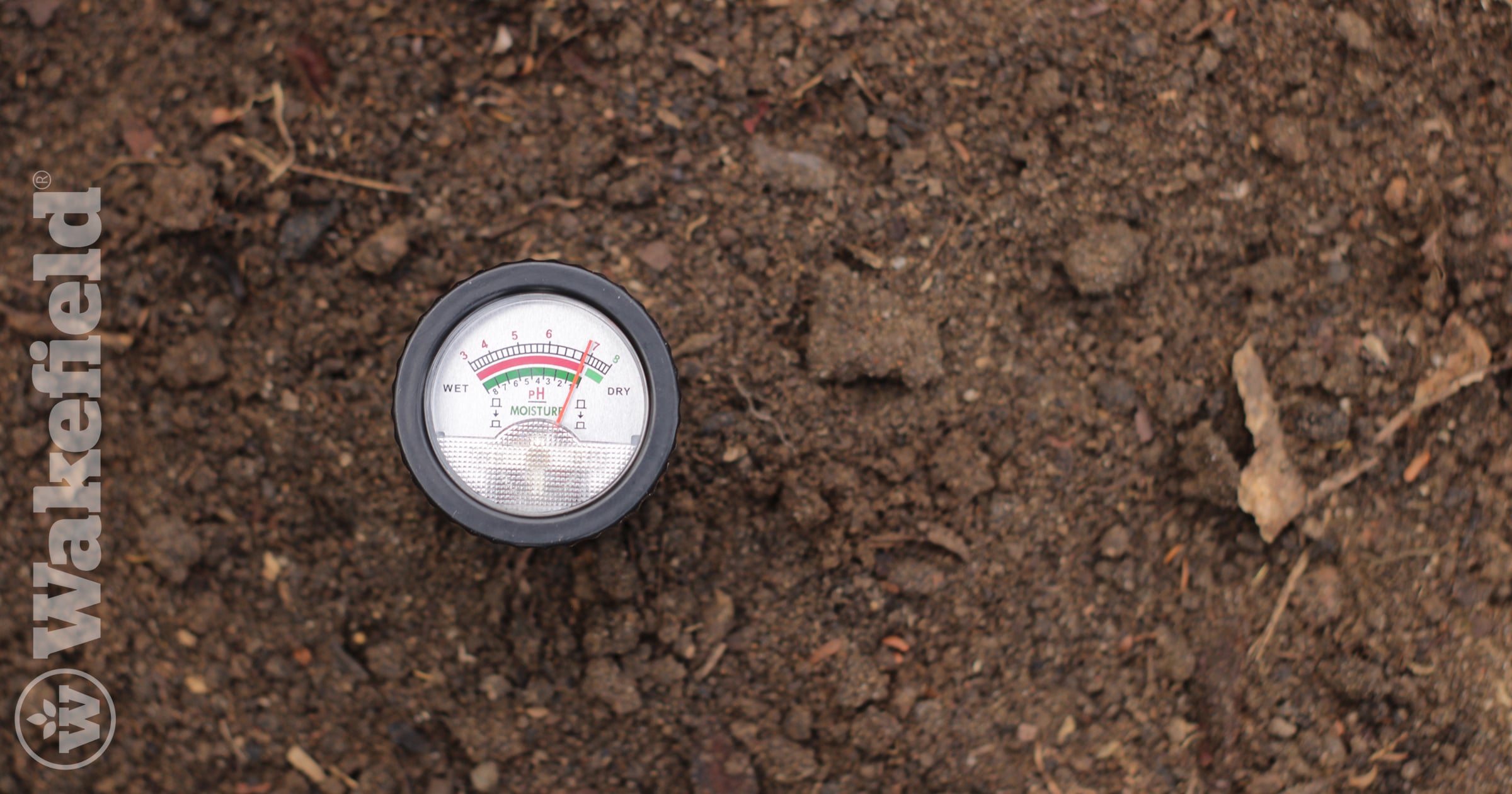
In contrast, while charcoal ash does possess certain benefits, its effects tend to be more transient. When introduced to soil, the ash provides a quick burst of potassium, an essential macronutrient that plants crave. However, this influx is often short-lived. Over time, water and microbial activity can leach the nutrients from the ash, diminishing its effectiveness. Moreover, charcoal ash can alter soil pH significantly, sometimes rendering it more alkaline, which can be less desirable for acid-loving plants.
This divergence in nutrient release creates a fundamental difference in how each amendment fits into a long-term soil management plan. Biochar, with its ability to host nutrients over prolonged periods, acts as a steady contributor to soil fertility. It can even sequester carbon for hundreds or even thousands of years, thereby presenting an eco-friendly solution to combat climate change. In contrast, charcoal ash serves best as a rapid enhancer when immediate metabolic activity is needed—ideal for short-term gardens or for rejuvenating soil in a temporary setting.
Moreover, the environmental implications of both amendments offer additional layers of complexity. Biochar is increasingly recognized for its role in sustainable agriculture and carbon farming schemes. By integrating biochar into agricultural practices, farmers can transform waste into a productive resource, effectively channeling carbon that would otherwise contribute to atmospheric greenhouse gases into the soil. This not only aids in soil remediation but also paves the way for a more sustainable and ecological approach to farming.
On the other hand, the production of charcoal ash often occurs as a result of uncontrolled burning, such as in forest fires or bonfires. This less predictable source may lead to impurities that could detrimentally affect soil quality, including the presence of toxic heavy metals or contaminants, depending on what was burned. Therefore, the context of sourcing charcoal ash is crucial—unregulated sources could inadvertently introduce harmful substances into the soil ecosystem.
As we navigate beyond soil composition, the intended application of these amendments also warrants careful consideration. Biochar is versatile; it can be blended into potting soils, used in composting, or directly incorporated into garden beds. Its adaptability makes it a preferred choice for a variety of horticultural and agricultural applications. Conversely, charcoal ash is often used as a top dressing or sprinkled into planting holes. The manner of application may limit its overall impact, leading to less influence on the broader soil ecosystem.
In exploring value from both amendments, economic factors come into play. Biochar may require an upfront investment for production or purchase, particularly in larger quantities, yet it proves to be cost-effective in the long run due to its longevity and multiple uses. In contrast, charcoal ash—often available at negligible cost or even for free—might initially appear alluring. However, the fleeting nature of its efficacy raises questions about its long-term value in fostering healthy, fertile soils.
Ultimately, the decision between charcoal ash and biochar is less about declaring a definitive winner; instead, it embodies a nuanced understanding of soil health. When faced with the choice, consider the specific needs of your soil, the duration of your gardening or farming goals, and the ecological impacts you wish to champion. Both amendments have their place within the intricate web of soil science; when used thoughtfully, they can coexist and collaborate to forge dynamic, resilient ecosystems.
In closing, as you step back to consider soil amendments for your garden or farm, reflect on the intricate balance between immediate benefits and long-term sustainability. Charcoal ash might provide a quick uplift, yet biochar’s enduring promise—to enrich, to foster, and to sequester—calls forth a compelling narrative that can reshape how we view our soils. As we cultivate the ground beneath our feet, let us do so with an eye toward nurturing a healthier planet, one amendment at a time.