Charcoal and biochar are terms often used interchangeably; however, they are far from synonymous. Their distinct composition, production methods, and applications underscore critical differences that can have profound implications for environmental sustainability, agricultural productivity, and even health. Understanding what sets these two forms of carbon apart is essential, especially as global concerns about climate change and soil degradation mount.
Understanding Charcoal
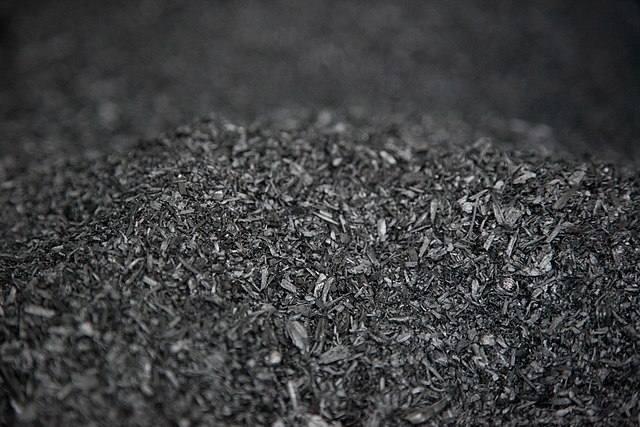
Charcoal, a versatile material, is typically created by pyrolysis, a process that involves heating organic materials—such as wood—in the absence of oxygen. This method removes water and volatile compounds, resulting in a black, lightweight substance predominantly composed of carbon. As a product, charcoal has enjoyed multifaceted uses through the ages, from indoor cooking and grilling to industrial applications such as filtration and metallurgy.
The myriad uses of charcoal have made it a staple in our daily lives. Its porous structure allows for efficient absorption of toxins; hence, it is frequently utilized in water purification systems. Additionally, charcoal is a pivotal ingredient in the production of activated charcoal, which boasts even more extensive absorptive capacity due to its higher surface area.
Diving into Biochar
Biochar, on the other hand, is a specific type of charcoal that is produced with a particular aim: enhancing soil quality and sequestering carbon. Created through a similar pyrolysis process as conventional charcoal, biochar is derived from organic waste materials such as agricultural residues, forestry byproducts, or even municipal waste. Unlike its charcoal counterpart, the primary focus of biochar production is not for fuel or industrial use, but rather for enriching soils and improving agricultural practices.
The properties of biochar significantly differ from those of traditional charcoal. Due to its specific production conditions and feedstock, biochar retains a higher proportion of nutrients and has a unique surface structure that can improve soil aeration and water retention. Additionally, when it is added to soil, it not only provides immediate benefits to plants but also contributes to long-term carbon sequestration, reducing the amount of greenhouse gas emissions in the atmosphere.
The Environmental Impact
When discussing the environmental ramifications, the differences between charcoal and biochar become pronounced. Traditional charcoal production is often associated with deforestation and air pollution. The demand for fuel charcoal has led to the unsustainable extraction of wood resources and the emission of significant amounts of carbon dioxide (CO2) and particulate matter into the atmosphere.
Conversely, biochar, specifically when produced from waste biomass, can cultivate environmental benefits. The degradation of organic materials in landfills produces methane, a potent greenhouse gas. Converting this biomass into biochar instead diverts waste and captures carbon, mitigating emissions significantly. Furthermore, the application of biochar to agricultural soils can enhance nutrient retention, reduce fertilizer dependency, and minimize runoff, leading to healthier ecosystems.
Applications in Agriculture
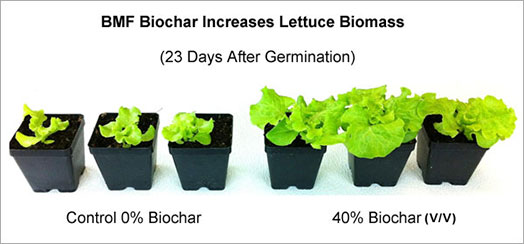
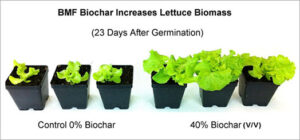
The role of biochar in agriculture is of paramount interest to agronomists and environmentalists alike. Its ability to improve soil fertility is not merely anecdotal; myriad studies have evidenced biochar’s capacity to enhance soil structure, increase microbial activity, and bolster nutrient availability. These benefits can translate into higher crop yields and more resilient farming practices, making biochar a suitable candidate for sustainable agriculture.
Farmers who incorporate biochar into their soil management protocols are often rewarded with improved plant health and increased resistance to pests and diseases. Furthermore, the carbon sequestering capability of biochar transforms it into a crucial tool in the fight against climate change, allowing farmers to contribute positively to the environment while reaping economic benefits.
Health Considerations
Health risks tied to charcoal, especially in its use for cooking, have emerged as a subject of scrutiny. Burning charcoal releases not just CO2 but also potentially harmful compounds such as polycyclic aromatic hydrocarbons (PAHs) and volatile organic compounds (VOCs) into the air. These byproducts can have detrimental effects on respiratory health when inhaled over time.
In contrast, biochar presents an intriguing avenue within health sciences. Its application in developing filtration systems capitalizes on its absorptive properties, providing a natural means to filter harmful pathogens and residues from water and air. The emerging research suggesting biochar’s potential in medicinal applications, especially within holistic and traditional medicine, further highlights its versatility.
The Future Outlook
The distinctions between charcoal and biochar illuminate critical pathways for future research and development. As climate change continues to present profound challenges, harnessing waste biomass into biochar represents a sustainable solution for carbon management and soil fertility enhancement. Ongoing advancements in pyrolysis technology are expected to refine production processes, making biochar more accessible and beneficial to agricultural communities worldwide.
In conclusion, recognizing the differences between charcoal and biochar is not merely academic; it helps us navigate pressing contemporary issues related to sustainability, agriculture, and health. Understanding their individual properties and applications can inform responsible practices that benefit not just individual farmers or communities, but the planet as a whole. As we continue to grapple with the repercussions of a warming world, the choice between charcoal and biochar might encapsulate our broader approach towards responsible resource management and environmental stewardship.