In the grand tapestry of nature’s offerings, charcoal and biochar emerge as two distinct threads, weaving their ways into our lives with promises of purification, enhancement, and sustainability. Each has its own unique identity, yet they often get tangled in the same conversations. To illuminate their differences, we’ll explore their origins, characteristics, applications, and the impact they align with in the ecological sphere, revealing how they stand apart like two dancers in a duet.
The Origins: A Tale of Two Transformations
Charcoal is the elder sibling in this narrative, an ancient material revered for its prowess since time immemorial. Created through pyrolysis, the process of heating organic materials—like wood—in the absence of oxygen, charcoal emerges as a lightweight, blackened solid. This substance has drawn admiration for its versatility, primarily in cooking and artisanal crafts, where it serves as the quintessential grilling companion. Like a seasoned storyteller, it holds the tales of fireside gatherings, where smoky flavors meld with the aroma of succulent meats.
In contrast, biochar is the modern protagonist, forged in the crucible of contemporary ecological thought. It too is born from pyrolysis but with a significant twist. Biochar is created from biomass sources such as agricultural residues, forestry waste, and even biodegradable municipal waste. This transformation not only results in a charred product but also embodies a philosophy of sustainability—improving soil health, enhancing carbon sequestration, and addressing waste management challenges in one fell swoop. Think of biochar as the alchemist of waste, converting organic downtrodden materials into a life-giving substance for the earth.
The Aesthetic Appeal: Texture, Structure, and Function
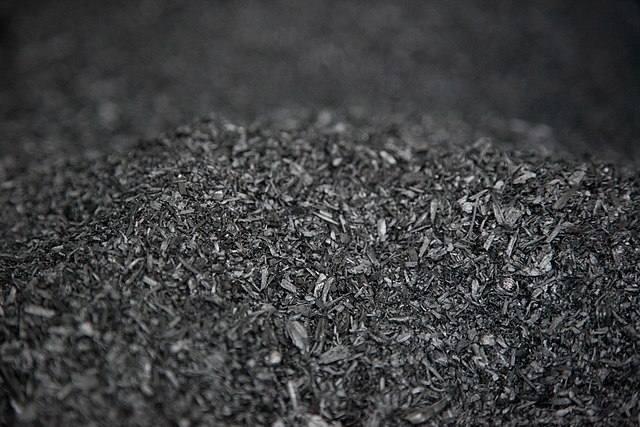
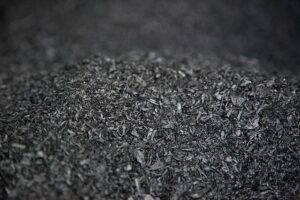
Visually, charcoal encapsulates a rustic allure. Its smooth, glossy surface reflects simplicity, contrasting sharply with biochar’s rough, porous texture. Each biochar particle resembles a miniature sponge, replete with an intricate network of micron-sized pores. This difference in texture is not superficial; it is emblematic of distinct functionalities. Charcoal, with its relative density, excels in high-temperature applications—think of the sizzling summer barbeque, where it forms the very essence of outdoor dining. It is the dramatic hero of the grill, impeding flames while imparting rich, smoky flavors.
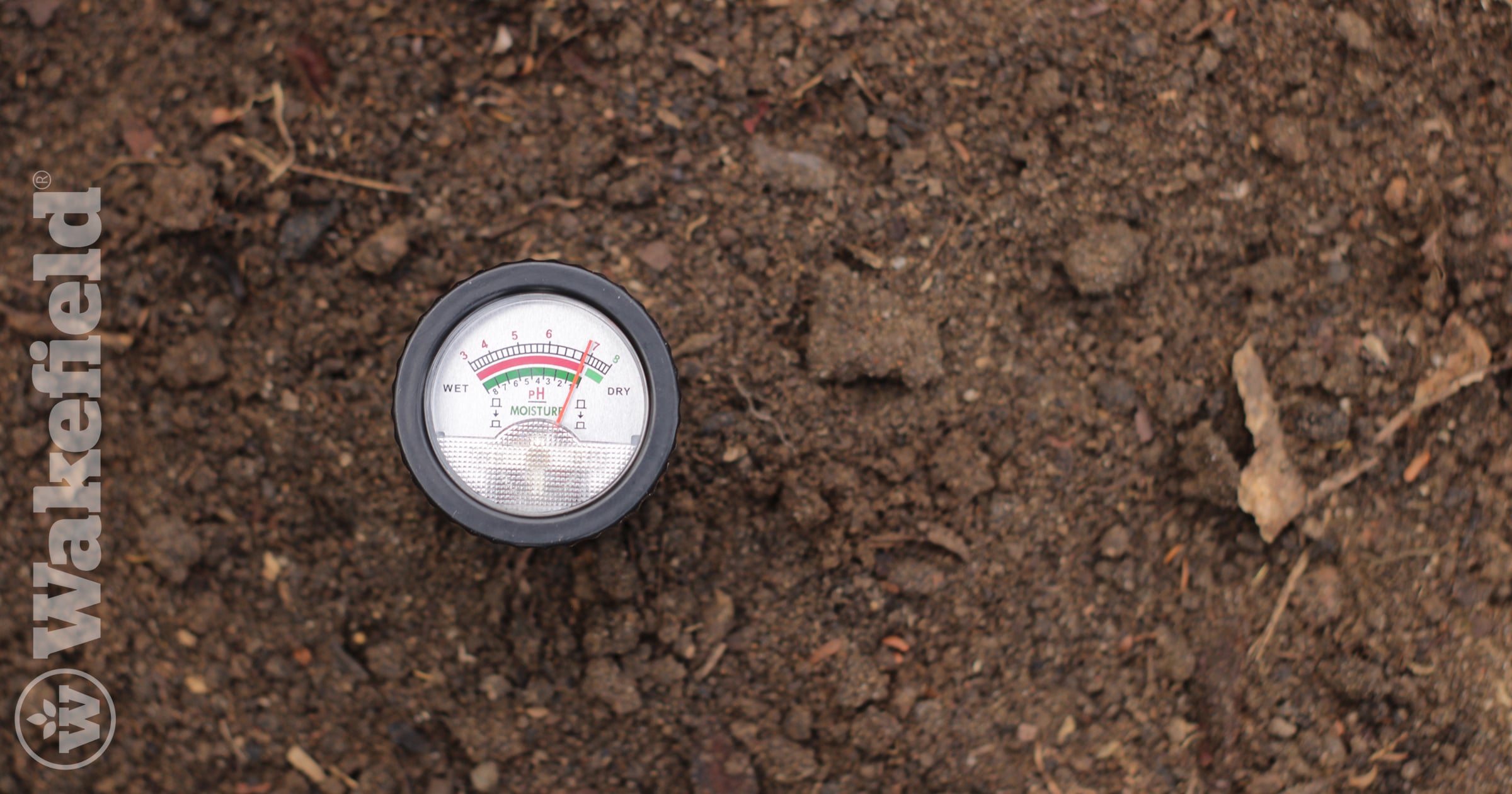
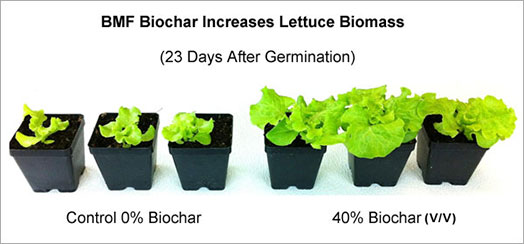
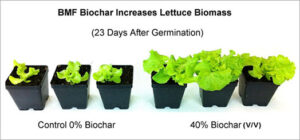
Biochar, on the other hand, serves as a hidden champion underground. Its structure allows it to capture and retain water and nutrients when introduced into soil, akin to a reservoir that nurtures plant life. This spongy configuration facilitates enhanced microbial activity, fostering a thriving ecological symbiosis. Imagine cultivating a garden where each plant flourishes, nourished by the benevolence of biochar—a verdant testament to nature’s balance achieved through human ingenuity.
Applications: Beyond the Fire
The applications of charcoal extend into realms that most of us encounter in our daily lives. Beyond its culinary contributions, charcoal is employed in filtration systems, skincare products, and even medicinal remedies for detoxifying purposes. In every context, it plays the role of a purifying agent, akin to a wise sage who claims wisdom through centuries of experience. It absorbs toxins and impurities, providing clarity whether inhaled, ingested, or applied topically.
Conversely, biochar carries an ambitious agenda. It is not just a soil amendment; it is a beacon of hope for sustainable agriculture. Farmers use biochar to combat soil degradation, with the promise of improved soil fertility and reduced reliance on chemical fertilizers. As if by magic, it transforms barren lands into fecund pastures, reminiscent of an artist bringing color and life to a once monochrome canvas. Moreover, in the face of climate change, biochar offers a strategic tool for carbon storage, binding carbon in its structure for centuries, a veritable time capsule for the planet’s carbon emissions.
The Environmental Footprint: Sustainability and Carbon Capture
While both charcoal and biochar offer environmental benefits, their ecological footprints diverge significantly. The production of traditional charcoal often involves deforestation and land degradation, both alarming realities in today’s world. Charcoal production can strip landscapes of their trees, turning verdant ecosystems into desolate terrains—a painful irony for a product that aims to purify.
Biochar, however, is rooted in regenerative practices. By repurposing waste materials, it mitigates the impact of agricultural run-off, rehabilitates degraded soils, and sequesters carbon, all while enhancing biodiversity. Envision biochar as a symphonic conductor, orchestrating harmony between waste management and soil health, thereby creating a narrative of symbiosis. This vibrant interaction contrasts starkly with the destructive aftermath often associated with charcoal production.
A Conclusion: The Duality of Charcoals
In conclusion, the divergence between charcoal and biochar is more than an exploration of substance; it is a reflection of our relationship with nature and our capacity for innovation. While both materials have their merits, charcoal’s charm lies in its utility and historicity, reminiscent of a time when simplicity reigned. In contrast, biochar embodies a forward-thinking ethos, a commitment to environmental stewardship and sustainable practices, akin to a new dawn breaking on the horizon. Each serves a significant purpose—one illuminating our past and the other guiding us toward a more sustainable future. As we navigate this intricate landscape, let us appreciate their unique appeals while fostering a deeper understanding of their roles within the intricate web of life.