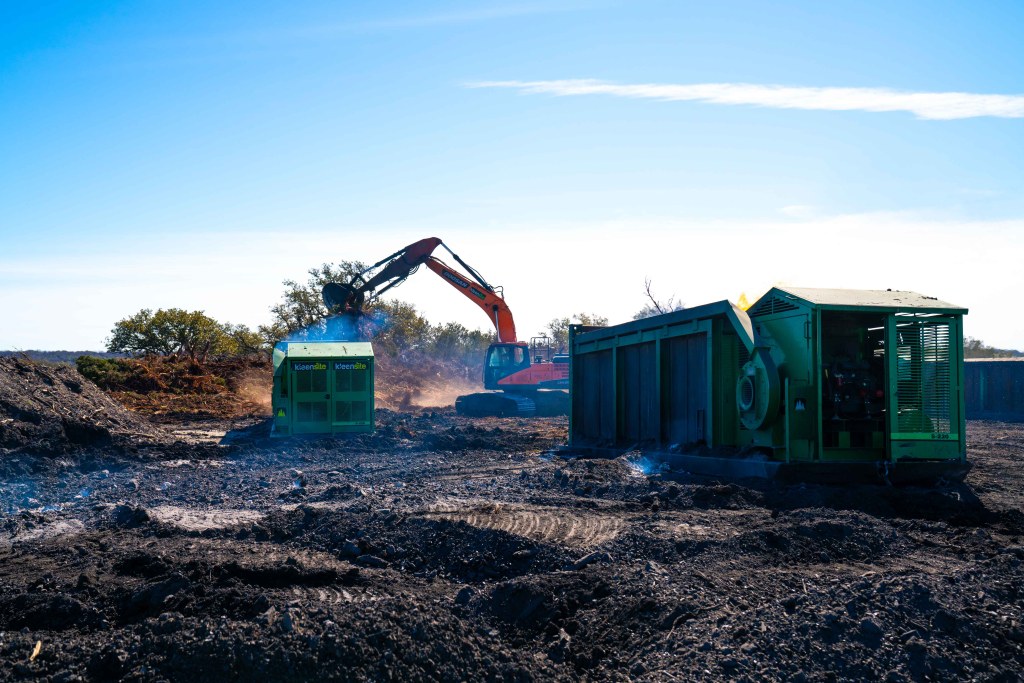
In an age where environmental stewardship and sustainable practices dominate the discourse around agriculture and landscaping, the emergence of bulk biochar as an amendment has piqued the interest of many. CharGrow Bulk Biochar promises a transformative approach to soil management, but does it truly live up to the hype? This article delves into the myriad dimensions of investing in CharGrow Bulk Biochar, exploring its benefits, applications, and worthiness as a long-term commitment.
Understanding Biochar: The Basics
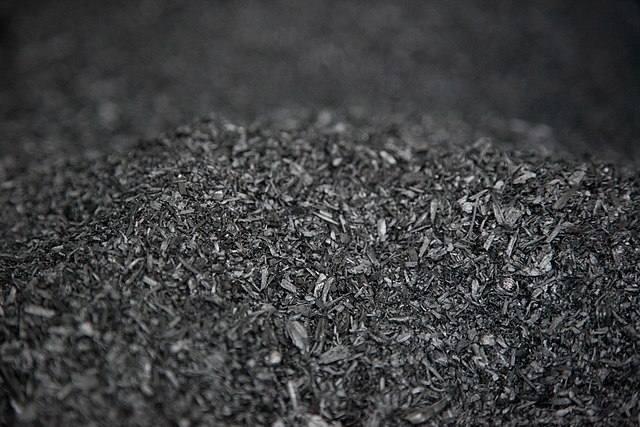
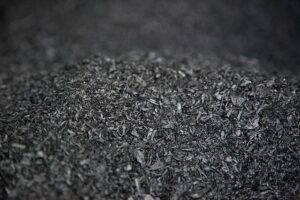
At its core, biochar is a carbon-rich product derived from the pyrolysis of organic material, such as wood, manure, or agricultural residues. This process involves heating biomass in a low-oxygen environment, resulting in a stable form of carbon that can be applied to soil. To the uninitiated, this may sound like a mere compost alternative, but the properties of biochar elevate it beyond traditional amendments.
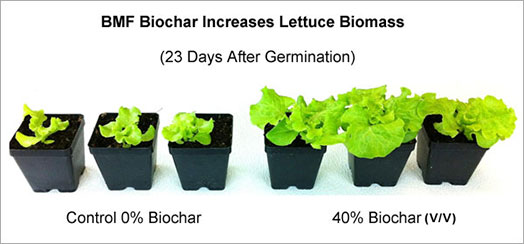
Biochar enhances soil quality, increases nutrient retention, and boosts water-holding capacity. As it integrates into the soil matrix, it alters the physical and chemical properties, creating a more hospitable environment for plant roots and beneficial microorganisms. With so many accolades, one must wonder: what is the true cost of this innovation?
The Promise of CharGrow Bulk Biochar
CharGrow Bulk Biochar is marketed as a game-changer for those seeking sustainable agricultural practices. By investing in this product, individuals and businesses can benefit from numerous advantages. Let’s dissect these claims.
1. Soil Fertility Enhancement
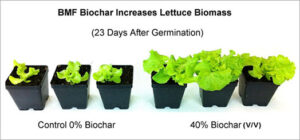
One of the cornerstone promises of CharGrow Bulk Biochar is its remarkable ability to improve soil fertility. The porous nature of biochar enhances the soil’s aeration while facilitating the retention of vital nutrients. This dual benefit translates into a rich environment conducive to robust plant growth.
In agricultural contexts, where nutrient depletion is a persistent challenge, the application of biochar can alleviate the need for synthetic fertilizers. This not only curtails the cost of farming but also promotes a more sustainable nutrient management system.
2. Water Management
Water scarcity is a pressing global concern, and CharGrow Bulk Biochar presents a compelling solution. Its hygroscopic properties allow for increased moisture retention in the soil. This can be particularly beneficial in arid regions where water conservation is paramount.
By augmenting the soil’s capacity to hold water, biochar reduces the necessity for frequent irrigation. Consequently, growers can maintain healthy crops while conserving this precious resource, ultimately leading to cost savings.
3. Carbon Sequestration
With climate change looming over global ecosystems, carbon sequestration has become a vital practice in mitigating greenhouse gases. CharGrow Bulk Biochar has the potential to sequester carbon in soil for centuries, significantly reducing atmospheric carbon levels.
Investing in biochar not only enriches soil but also contributes to a broader environmental solution. By cycling carbon back into the earth, individuals can take an active role in combating climate change.
4. Pest and Disease Management
Some studies suggest that biochar can act as a deterrent to pests and diseases. By fostering a favorable environment for beneficial microbes and fungi, biochar may enhance soil resilience against pathogens. This biological amplification could lead to healthier crops and potentially lower reliance on chemical pesticides.
Assessing the Cost
While the advantages of CharGrow Bulk Biochar are compelling, potential investors must consider economic factors. The initial investment in bulk biochar can seem steep, especially for small-scale operations. However, one must factor in the long-term benefits. Savings on fertilizers, reduced water usage, and increased crop yields can offset higher initial costs, leading to a favorable return on investment over time.
Furthermore, purchasing biochar in bulk can yield substantial discounts, making it a more accessible option for those committed to sustainability.
Application Techniques
Incorporating CharGrow Bulk Biochar into existing agricultural or gardening practices requires some forethought. Its application methods can significantly influence outcomes. Biochar can be mixed into soil before planting or used as a top dressing for established plants. The latter method can provide gradual nutrient release and water retention. Understanding soil composition and the specific demands of various crops is essential for optimizing biochar’s benefits.
Environmental Considerations
Adopting biochar must also include an examination of sourcing and sustainability. Ensuring that the biochar is produced from renewable biomass and following responsible practices is paramount. The long-term benefits hinge not only on the application but on a holistic consideration of the sourcing processes involved.
Final Thoughts: Is It Worth the Investment?
In conclusion, CharGrow Bulk Biochar represents a substantial opportunity for those seeking to enhance their soils sustainably. Its myriad benefits—ranging from improved fertility and pest resistance to water conservation and carbon sequestration—position it as a noteworthy contender in the arena of agricultural amendments. While the initial cost may raise eyebrows, the promise of long-term ecological and economic returns paints a compelling picture.
Ultimately, the decision of whether to invest hinges on the unique circumstances of each individual or business. For those ready to shift their perspective toward a more sustainable future, CharGrow Bulk Biochar offers a tantalizing glimpse into what could be achieved.