In the realm of sustainable practices, biochar has begun to emerge as a beacon of innovation. But what exactly is biochar, and how is it poised to transform commercial and industrial sectors? This intriguing substance, birthed from the pyrolysis of organic matter, is fascinating not only for its environmental benefits but also for its myriad applications. It begs the question: could biochar be the key to unlocking a more sustainable future, or are there hurdles that hinder its widespread adoption?
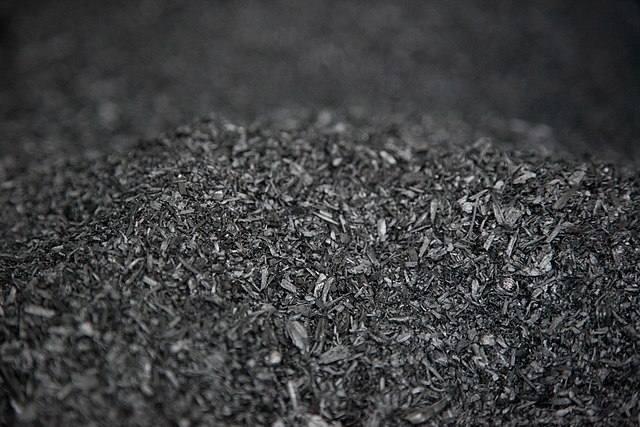
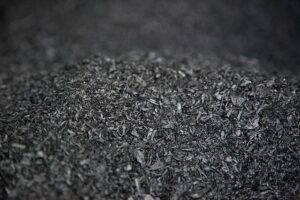
Biochar is created when organic materials—such as plant matter, agricultural waste, or wood—are subjected to high temperatures in an oxygen-limited environment. This thermochemical process results in a stable form of carbon that can enhance soil quality and sequester carbon dioxide from the atmosphere. A holistic understanding of biochar’s commercial and industrial applications requires an exploration of its properties, benefits, and potential challenges.
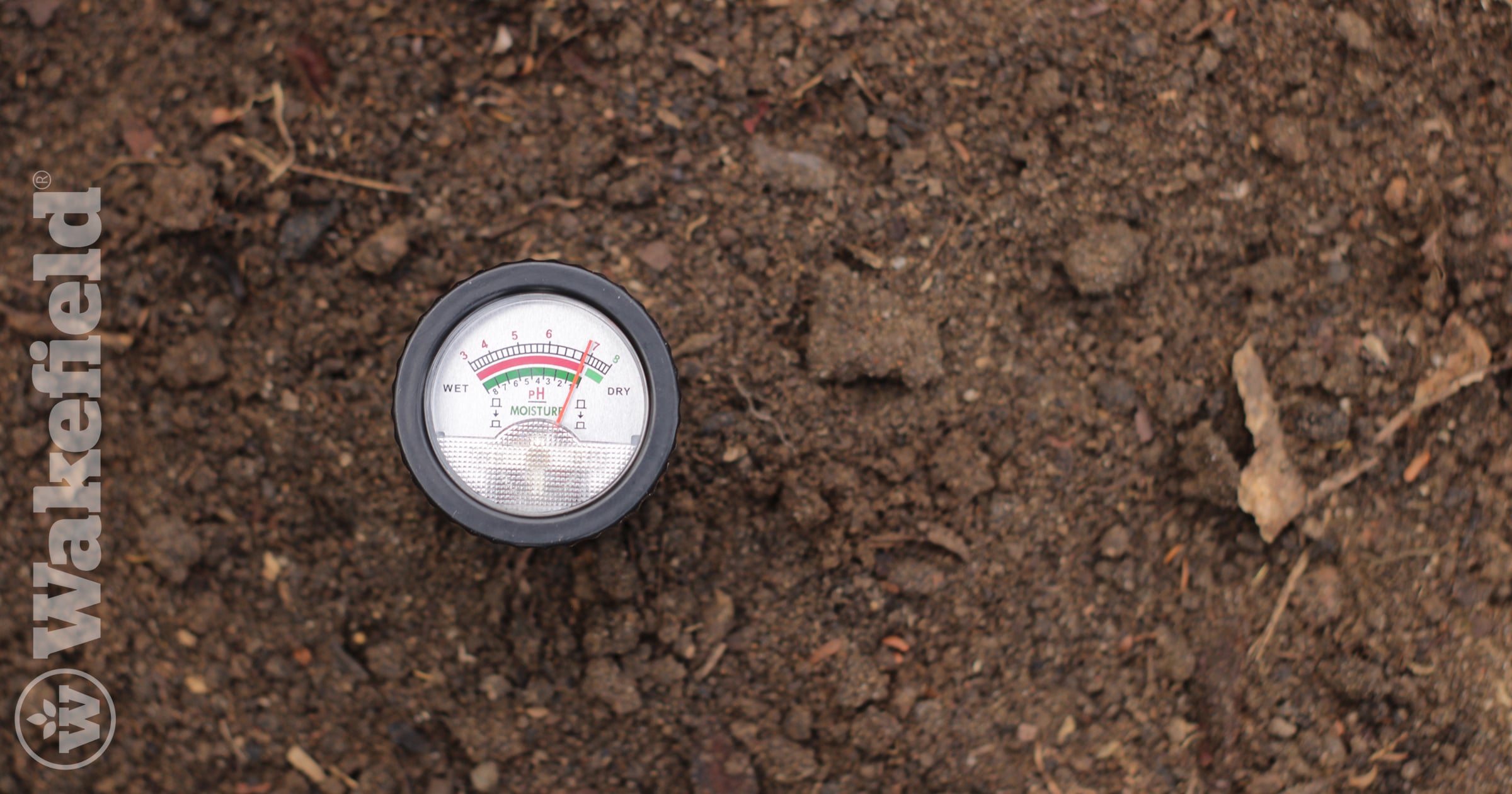
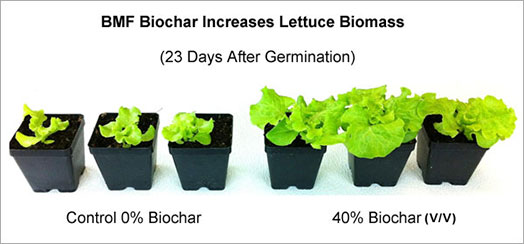
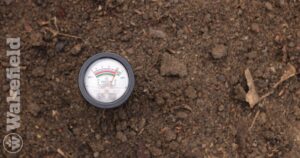
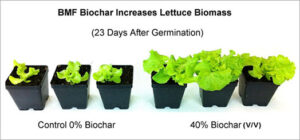
To begin with, the agricultural sector stands to gain immensely from biochar utilization. Historically, agriculture has been plagued by soil degradation and nutrient depletion, leading to the pressing need for sustainable alternatives to conventional fertilizers. Biochar serves as an excellent soil amendment, improving soil structure, increasing water retention, and providing a habitat for diverse microbial life. This transformative capability not only enhances crop yields but also mitigates the need for synthetic fertilizers that can be detrimental to the environment. Imagine a scenario where farming operations can minimize chemical inputs, decrease pollution, and maintain soil fertility—biochar could be the stepping stone to this reality.
However, implementing biochar on a large scale in agriculture does present challenges. The initial costs associated with biochar production, coupled with the limited awareness among farmers about its advantages, can create resistance to its adoption. Thus, an educational push is essential, highlighting not only biochar’s economic benefits but its potential role in combatting climate change.
Beyond agriculture, the industrial sector is also ripe for biochar integration. Industries have historically grappled with waste management issues, particularly concerning organic waste. Herein lies another avenue for biochar utilization. Industrial processes producing organic by-products—think of food processing, paper production, or even biofuel manufacturing—can convert these waste materials into biochar through pyrolysis. Such practices not only minimize waste and reduce landfill dependency but also create an additional revenue stream, as the biochar produced can be sold for various applications.
The potential uses of biochar in industry do not stop at waste management. Its properties make it suitable for applications in water filtration, construction, and even as an additive in composite materials. Due to its ability to adsorb contaminants, biochar can be employed in water treatment systems to remove heavy metals and impurities. This dual function of waste conversion and resource generation showcases biochar’s versatility, opening up new avenues for its commercial appeal.
Furthermore, biochar’s role in carbon sequestration cannot be overstated. In an era where carbon emissions are at an all-time high, utilizing biochar in industrial processes can contribute significantly to reducing a company’s carbon footprint. The carbon trapped within biochar remains stable in the environment for hundreds to thousands of years. Thus, industries adopting biochar could bolster their sustainability credentials, making them more attractive to eco-conscious consumers and investors alike. Yet, the question remains—what incentives exist to encourage industries to transition to biochar when the existing systems seem sufficient?
Moving beyond agriculture and industry, biochar also serves as a catalyst for innovation in energy production. Pyrolysis, the process that creates biochar, captures energy that can be converted into bio-oil or syngas. This energy can then be repurposed for various applications, including heating, electricity generation, or as a replacement for fossil fuels in combustion processes. The dual role of biochar as a soil enhancer and an energy source presents an intriguing paradox: can it really fulfill these seemingly opposing roles? Indeed, it appears that it can, but there are caveats that deserve consideration.
One significant challenge to the widespread utilization of biochar in energy production is the infrastructure required for its production and distribution. Establishing pyrolysis facilities near biomass sources may entail significant investment, operational costs, and regulatory hurdles. The feasibility of these projects will vary by region, but the potential for decentralized biochar production—where small-scale, localized facilities provide for nearby agricultural and industrial needs—offers a promising solution.
In conclusion, biochar presents a multifaceted opportunity for commercial and industrial utilization, with implications for agriculture, waste management, energy production, and carbon sequestration. However, the path to widespread adoption is fraught with challenges, from initial costs to infrastructural requirements and educational deficits. It is essential for stakeholders across all sectors to engage in collaborative efforts, sharing knowledge and resources to facilitate the integration of biochar into their operations. After all, the question isn’t merely whether biochar can reshape the future—it’s about how we can collectively overcome the barriers to make that future a reality. Will we rise to the challenge? Only time will tell.