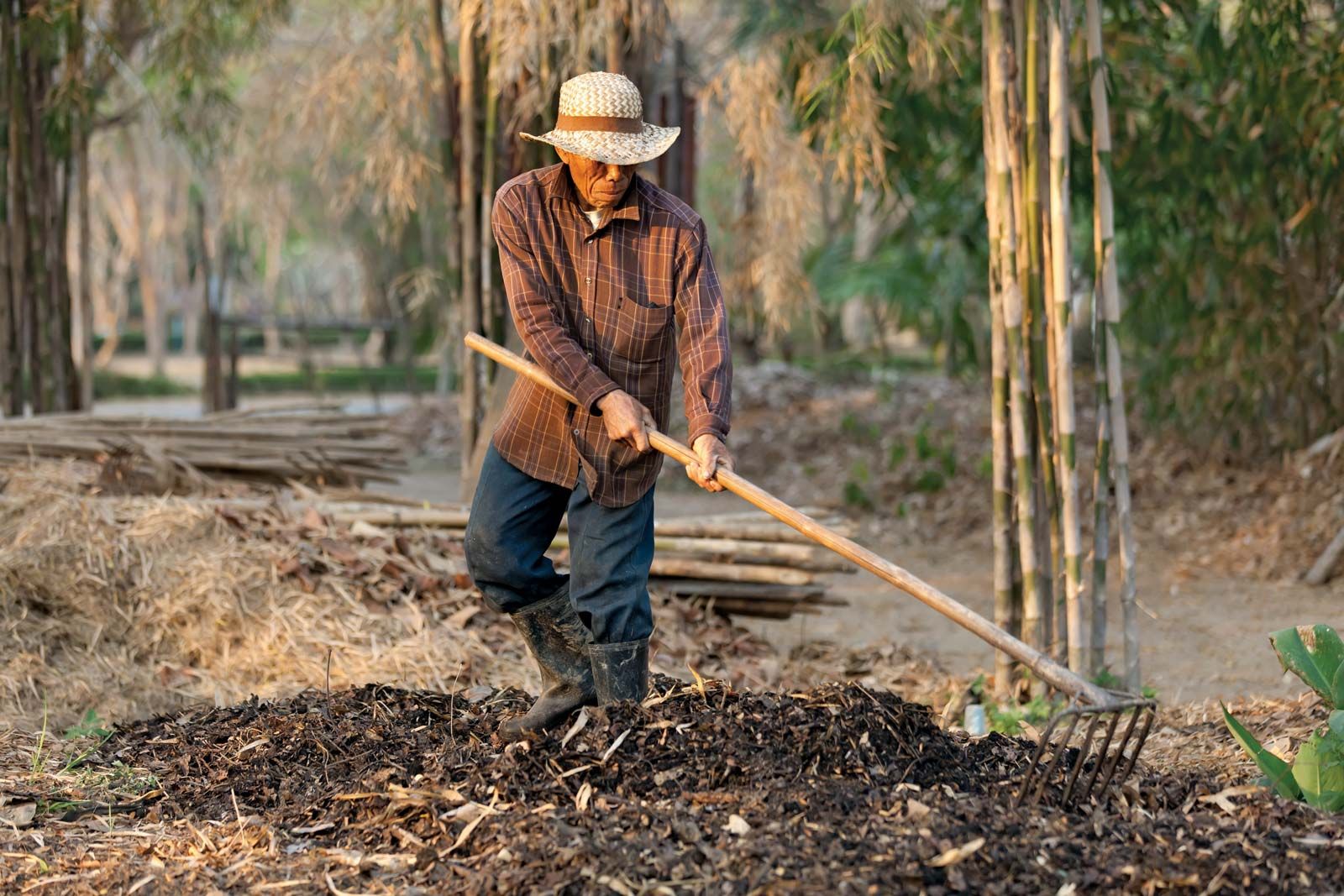
In the realm of sustainable agriculture, a burgeoning interest envelops the union of biochar and compost. This relationship captivates enthusiasts and experts alike, not merely due to its environmental benefits but also the profound implications it holds for soil health, carbon sequestration, and agricultural productivity. The convergence of these two carbon-rich amendments presents a fascinating narrative rooted in ancient agricultural practices and modern ecological science.
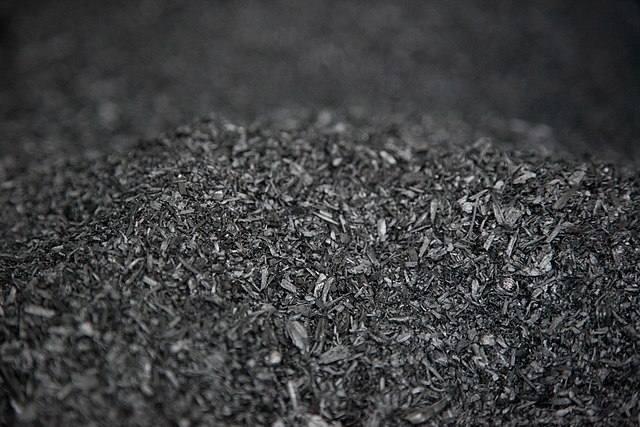
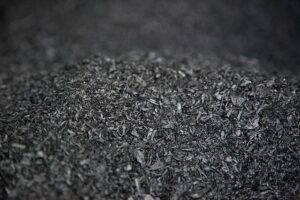
At its core, biochar is a black, carbon-rich product derived from the pyrolysis of organic materials, such as wood, agricultural residues, or other biomass. This process involves heating the material in the absence of oxygen, resulting in a stable form of carbon that can persist in the soil for centuries. By contrast, compost is a product of the aerobic decomposition of organic matter, such as kitchen scraps, yard waste, and other biodegradable materials. While both biochar and compost offer significant ecological advantages individually, their integration can unlock a myriad of synergistic benefits, enhancing the efficacy of each component in improving soil fertility and structure.
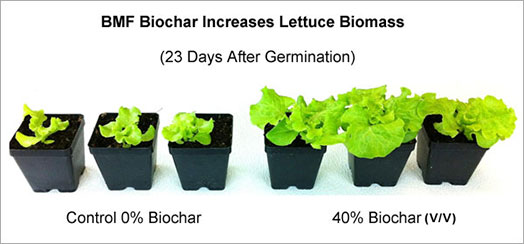
One of the most alluring aspects of integrating biochar with compost is the enhancement of microbial activity within the soil. Microorganisms, including bacteria, fungi, and protozoa, play a crucial role in nutrient cycling and organic matter decomposition. Biochar serves as a habitat for these microorganisms, providing microenvironments that promote their proliferation and activity. When combined with compost, the nutrient-rich organic matter acts as a food source, allowing these beneficial microbes to flourish. This symbiotic relationship not only stimulates the biological activity in the rhizosphere but also leads to improved nutrient availability for plants.
The structure of biochar contributes significantly to its ability to improve soil texture and aeration. With its porous nature, biochar increases the soil’s surface area, enhancing water retention and drainage capabilities. This is particularly beneficial in regions prone to drought, where maintaining moisture levels is crucial for crop survival. Integration of compost into this biochar-enhanced soil matrix amplifies these benefits, as the organic matter within the compost further improves soil structure and reduces compaction. Such a combination can lead to a more resilient soil ecosystem, capable of withstanding climatic extremes.
Additionally, the carbon sequestration potential of biochar cannot be overlooked. When biochar is added to soil, it effectively locks carbon away, making it less available for release into the atmosphere as greenhouse gases. This phenomenon aligns perfectly with the growing call for carbon farming practices that seek to mitigate climate change effects. Composting, on the other hand, also contributes to carbon storage, albeit through a more transient mechanism. The organic matter decomposes and releases carbon dioxide, but the presence of biochar can reduce this loss by stabilizing organic compounds and mitigating nutrient leaching. Together, they form a carbon sink that provides a dual approach to enhancing soil fertility while combating climate change.
Exploring the nutritional dynamics of biochar and compost integration reveals another layer of fascination. Biochar has the capacity to modify the nutrient profile of soils, thus potentially influencing the availability of macro and micronutrients for plants. When biochar is combined with compost, the diverse nutrients present in the compost can be retained more effectively within the soil. The adsorption properties of biochar can help immobilize nutrients, reducing leaching and making them available for plant uptake over a prolonged duration. This slow-release capacity is especially advantageous in promoting plant health and vigor throughout growing seasons.
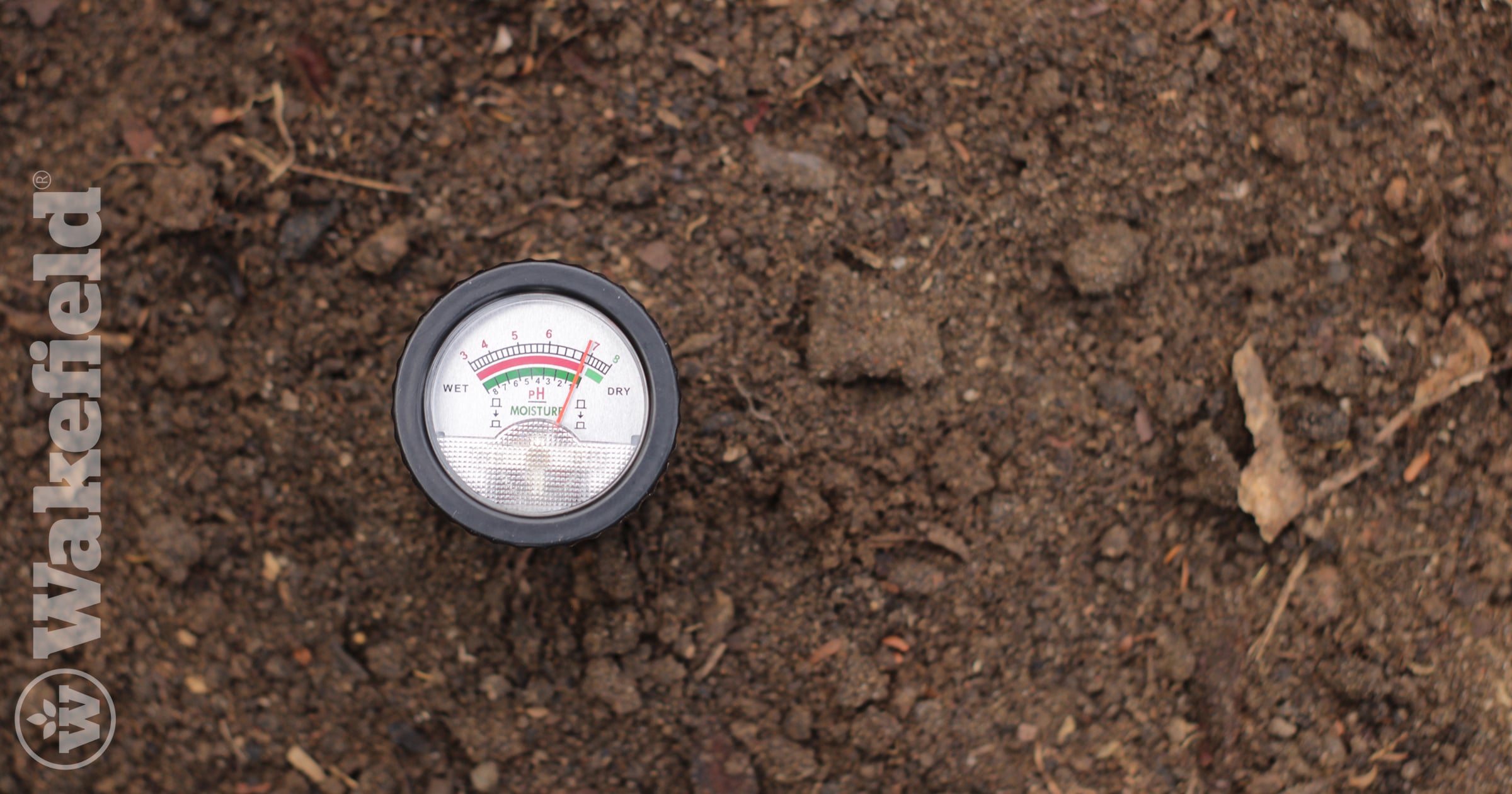
Moreover, the amalgamation of biochar and compost creates a more balanced soil pH. Many composts possess a natural ability to neutralize acidic soils, while certain biochars can contribute to raising pH levels. This holistic approach is vital for maintaining optimal conditions conducive to plant growth, as most crops thrive within a specific pH range. By leveraging the combined properties of both amendments, farmers can create an environment that supports robust plant development and maximizes yield potential.
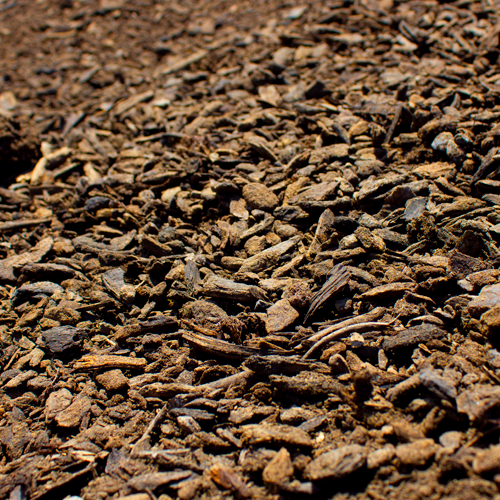
In a practical sense, the implementation of biochar and compost integration is becoming more accessible. Agricultural communities are increasingly recognizing the myriad advantages of adopting a regenerative approach to soil management. On a small scale, backyard gardeners can benefit from creating a captivating home ecosystem by inoculating compost with biochar, while commercial farms are integrating these practices into larger, sustainable agricultural frameworks. Workshops, outreach programs, and educational resources are proliferating, empowering individuals with the knowledge to harness this potent duo to transform their soils.
The promises held within the integration of biochar and compost appear boundless, inviting a future where sustainable agriculture thrives harmoniously with the environment. As research continues to unveil the intricate mechanisms at play and more practitioners experiment with innovative integration techniques, the agricultural landscape is poised to undergo a profound transformation. This interdisciplinary pursuit not only addresses the urgent need for sustainable soil management practices but also paints a hopeful picture for food security and ecological stability globally.
In conclusion, the intersection of biochar and compost leads us down an enthralling path, lined with the potential for rejuvenation and sustainability in agriculture. By marrying the ancient wisdom of composting with the modern science of biochar, we invest in the fecundity of our soils and the health of our planet. The future of agriculture is inextricably linked to these practices, beckoning to be explored and understood with renewed enthusiasm.