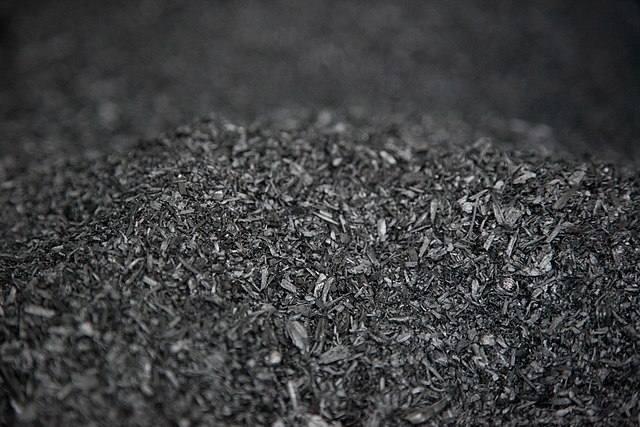
In the realm of construction materials, biochar emerges as a remarkable phoenix, rising from the ashes of organic waste to forge an extraordinary path towards sustainable building practices. This innovative substance, a form of charcoal produced through pyrolysis, serves not merely as a byproduct but rather as an invaluable asset in modern construction. With increasing concerns about climate change and the need for environmentally-conscious choices, biochar finds itself thrust into the limelight, offering both ecological benefits and aesthetic appeal in the building industry.
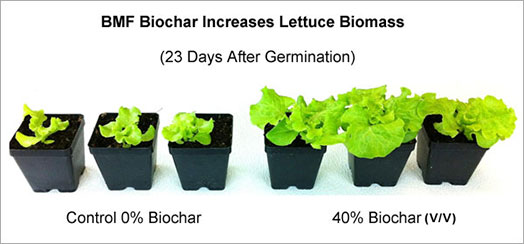
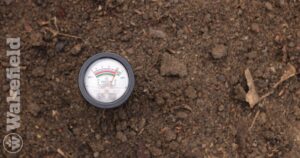
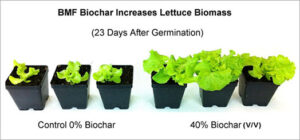
In essence, biochar acts like the skeleton of the earth, a carbon-storing powerhouse that not only enriches soil but also sequesters carbon, presenting a dual benefit for our planet. Its unique structure, analogous to a molecular sponge, allows it to retain essential nutrients and water, ultimately enhancing soil fertility and bolstering plant growth. This property of nutrient retention holds particularly enticing potential for landscaping and urban green spaces, where lush flora affirms the harmonious interplay between nature and human-made environments.
The application of biochar in construction materials leads us to the fascinating domain of composite materials, where it can be integrated into concrete. Imagine concrete infused with biochar, an amalgam that echoes resilience while diminishing the carbon footprint. By substituting a portion of traditional cement with biochar, manufacturers can effectively reduce the emissions associated with cement production. Such innovations usher in an era of construction where structural integrity meets ecological responsibility, intertwining the foundations of a building with the whispered promises of sustainability.
Expanding further into the extraordinary capabilities of biochar, we can explore its role in insulation materials. The thermal properties inherent to biochar make it an exceptional contender for thermal insulation, one that rivals conventional materials while offering an eco-friendly alternative. Just as a cozy blanket envelops us in warmth, biochar-laden insulation can help regulate temperature fluctuations in buildings, creating energy-efficient environments and minimizing reliance on additional heating or cooling systems. This harmony of comfort and conservation echoes the ethos of building for the future—one where energy efficiency is revered, not neglected.
Moreover, biochar embodies a multifaceted applicability in the context of acoustic insulation. Properties akin to those of traditional soundproofing materials render biochar an admirable choice in the quest for tranquillity in urban landscapes. Picture a bustling city where echoes of clamor are subdued by walls imbued with biochar, effectively transforming spaces into serene sanctuaries. This dual capability in both thermal and acoustic insulation exemplifies biochar’s versatility—it is not merely a choice, but a statement, a testament to the evolving narrative of construction.
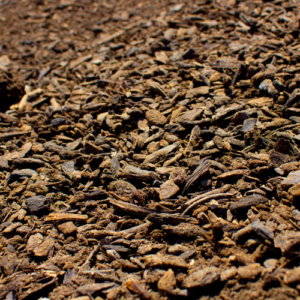
The allure of biochar lies not only in its functionality but also in its aesthetic contributions. In a world dominated by sterile building materials, biochar presents a visually pleasing alternative through the incorporation of organic textures and hues. The earthy tones of biochar-infused materials can lend a rustic charm to modern architecture, enticing architects and designers to push the boundaries of creativity. It is akin to the brushstrokes of a master artist, imbuing spaces with warmth and character, suggesting a connection to nature that resonates with an audience increasingly yearning for authenticity in their surroundings.
As we further navigate the landscape of biochar, it is essential to address its impressive role in enhancing durability within construction. Biochar’s resilient nature contributes to the longevity of materials, equipping them to withstand the ravages of time and adverse weather conditions. Imagine structures standing tall against the elements, fortified by biochar’s unwavering presence. This robustness not only reflects the triumph of engineering ingenuity but also signifies a shift towards buildings that harmonize with their environment rather than succumb to it.
Another noteworthy advantage of employing biochar in construction lies in its potential for waste management. Using biochar produced from agricultural residues or forestry waste constitutes a creative recycling process that sidesteps traditional waste disposal methods. By transforming what would otherwise be discarded into valuable construction materials, biochar embodies the principles of a circular economy—one where waste is continuously repurposed while nurturing the ecosystems around us.
In addition to its practicality, biochar serves an essential role in carbon management strategies, acting as a critical player in mitigating climate change effects. When incorporated into construction materials, it not only provides structural benefits but also encapsulates carbon long-term, effectively reducing greenhouse gas concentrations in the atmosphere. Think of biochar as the lungs of modern construction, inhaling the carbon we emit and elongating the breath of our planet while allowing it to recuperate.
Lastly, the pathway ahead for biochar as a construction material is strewn with prospects for innovation and advancement. As research continues to unveil novel applications and potential techniques for biochar integration, we stand on the brink of a renaissance in sustainable building practices. Collaboration across disciplines—from ecologists to architects—represents the fertile ground from which creative ideas can sprout, igniting a movement toward more responsible construction methodologies.
In conclusion, biochar possesses an enchanting quality, functioning as both a physical and metaphorical bridge between ecological restoration and advanced construction practices. As its multifaceted nature unfolds, biochar not only enriches our construction materials but also deepens our connection to the natural world around us. Embracing biochar is akin to reimagining the very fabric of our urban environments—where nature, innovation, and sustainability coalesce to create a harmonious synergy for generations to come.