Biochar, a carbon-rich material produced from the pyrolysis of biomass, has captivated agricultural scientists and farmers alike due to its multifaceted applications, particularly in enhancing crop productivity. Its unique properties make biochar an indispensable tool in modern agronomy, capable of addressing a range of soil and environmental challenges. This article delves into the crop-specific applications of biochar, shedding light on its diverse benefits across various agricultural landscapes.
The intrigue surrounding biochar stems from its carbon sequestration capabilities, which play a pivotal role in climate change mitigation. When applied to soil, biochar not only enriches nutrient content but also enhances soil structure and water retention. These attributes transform biochar into an intriguing subject for researchers striving to increase agricultural resilience and productivity. The emphasis on crop-specific applications emphasizes that biochar is not a one-size-fits-all solution; instead, its advantages can be maximized when tailored to specific crop needs.
1. Understanding Biochar: A Brief Overview
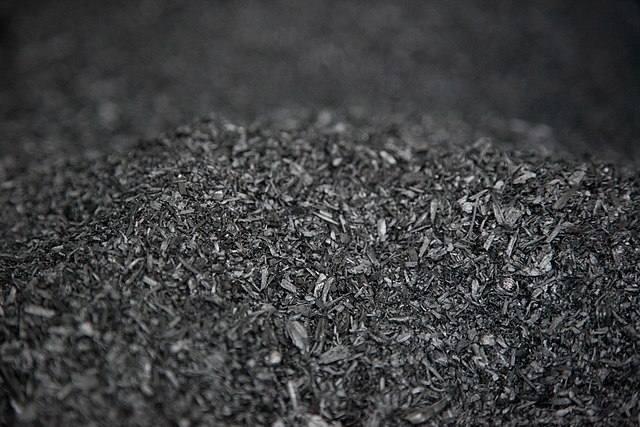
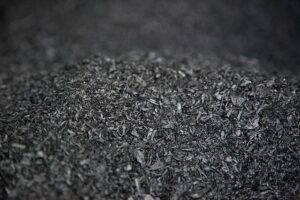
Before exploring its applications, it is essential to grasp the fundamental characteristics of biochar. Created through the thermal decomposition of organic materials in an oxygen-limited environment, biochar is distinguished by its porous structure. Its high surface area and unique chemical composition enable it to retain nutrients, increase microbial activity, and enhance soil aeration. The result is a dynamic interplay between biochar and soil chemistry that fosters a fertile environment for various crops.
2. Enhancing Nutrient Availability for Specific Crops
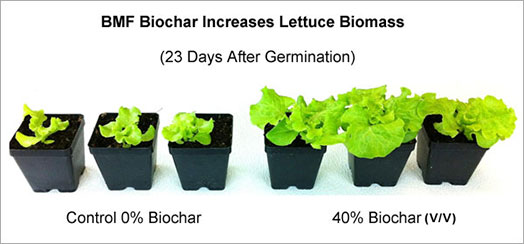
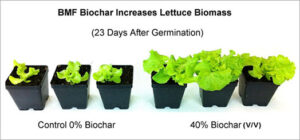
Certain crops exhibit unique nutrient requirements, and biochar can be tailored to meet these specific needs. For instance, nitrogen-dependent crops like corn and leafy greens benefit significantly from biochar’s ability to retain ammonium and nitrate. By reducing nutrient leaching, biochar can sustain a steady supply of nitrogen, leading to improved growth rates and yield.
Additionally, phosphorus availability is a common concern in many soils. Biochar can mitigate this issue by promoting the sorption of phosphorus, thereby enhancing its bioavailability for crops like potatoes and carrots that thrive on phosphorus-rich soils. The application of biochar enables farmers to achieve better yield outcomes while minimizing chemical fertilizer inputs, which can have detrimental environmental effects.
3. Water Retention Capabilities for Drought-Prone Crops
In regions susceptible to water scarcity, the ability of biochar to enhance soil moisture retention becomes invaluable. Crops such as millet and sorghum, which are often grown in arid and semi-arid climates, can thrive when biochar is incorporated into the soil. The porous structure of biochar acts like a sponge, capturing water during rainfall or irrigation and gradually releasing it to the plants as they need it. This water-absorption capacity not only ensures that crops endure drought conditions but also encourages deeper root growth, fostering resilience against environmental stressors.
4. Soil pH Modification for Optimal Crop Health
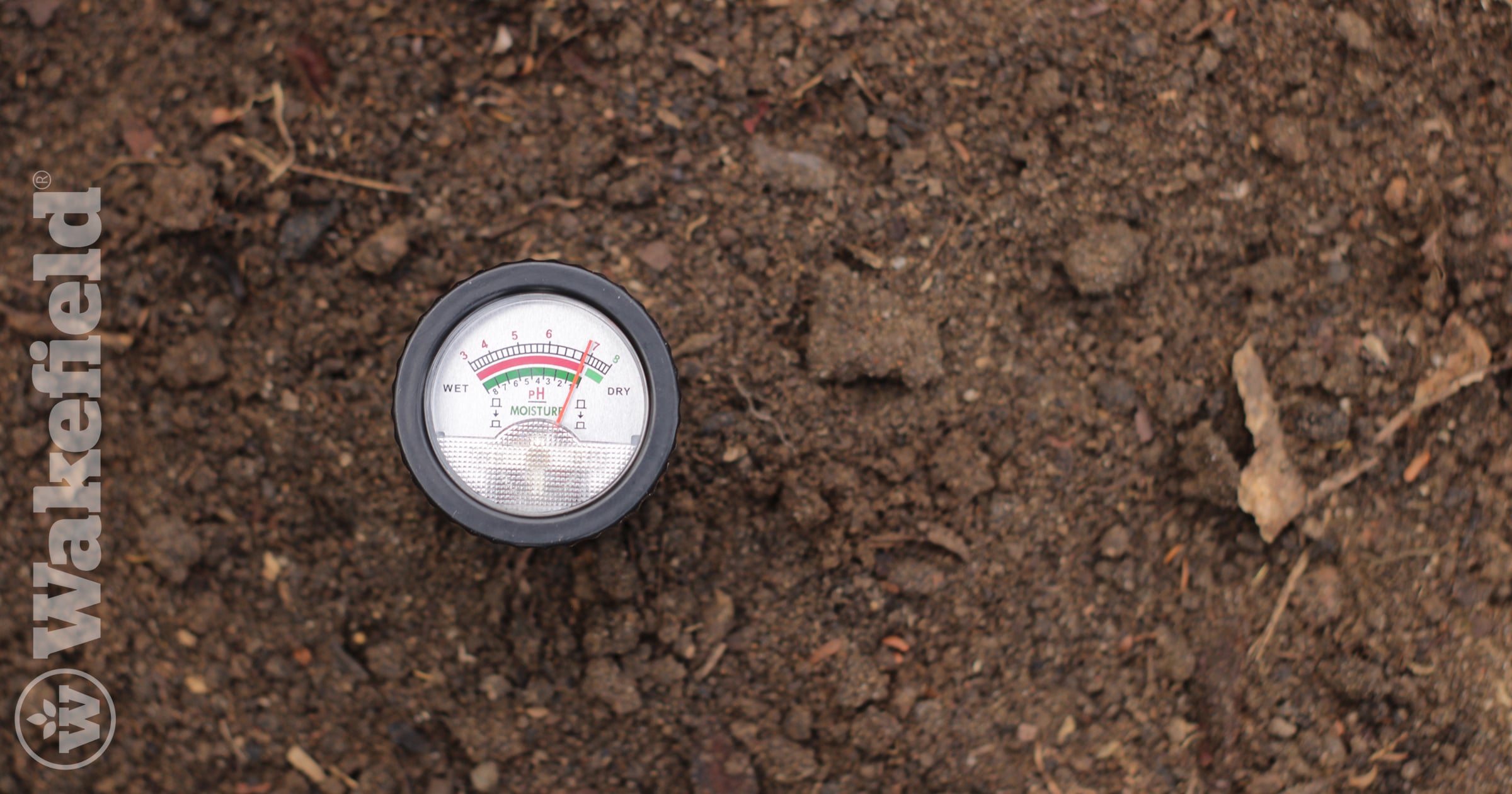
The pH level of soil is a critical determinant of plant health, influencing nutrient availability and microbial activity. Many crops, such as blueberries and potatoes, thrive in acidic soils, while others, including asparagus and cabbage, require neutral to alkaline conditions. Biochar can be engineered to possess specific pH levels, allowing farmers to modify their soil environments to suit particular crops. For instance, when alkaline biochar is applied to acid soils, it raises the pH, improving crop performance and overall soil health.
5. Pest and Disease Resistance
Beyond its nutritional and structural benefits, biochar demonstrates remarkable potential in pest and disease management. Under certain conditions, biochar can harbor beneficial microbes that naturally suppress soil-borne pathogens. Crops like tomatoes and peppers, which are often vulnerable to fungal diseases, can experience improved health when biochar is applied. Furthermore, biochar may exhibit allelopathic properties, helping to deter nematodes and other pests that threaten crop yields. As sustainable agriculture continues to gain prominence, the use of biochar for pest management offers an eco-friendly alternative to synthetic pesticides.
6. Contributing to Soil Carbon Sequestration
As agriculture grapples with the urgency of climate change, the carbon sequestration capabilities of biochar emerge as a compelling reason for its adoption. Applying biochar to agricultural soils contributes to long-term carbon storage, aiding in efforts to combat greenhouse gas emissions. This is particularly beneficial in an era where every agricultural endeavor is scrutinized for its ecological footprint. Crop-specific applications of biochar can enhance the sustainability of practices while enriching soil biomass, ultimately creating a closed-loop system that benefits both the environment and crop yield.
7. Future Considerations and Research Directions
The exploration of biochar’s potential is far from complete. As research continues, new innovations may emerge, allowing for further customization of biochar characteristics based on specific crop requirements and soil types. Factors such as feedstock selection, pyrolysis temperature, and application methods can all significantly influence biochar properties, warranting further investigation. Future studies should also assess the long-term impacts of biochar use on soil health, crop yield stability, and environmental sustainability.
To capitalize on the myriad benefits of biochar, farmers and stakeholders must embrace a collaborative approach, integrating scientific research with practical application. Education and outreach efforts can facilitate this understanding, paving the way for biochar’s increased acceptance as a vital component of sustainable agriculture.
Biochar’s versatility and effectiveness in soil amendment have established it as an indispensable tool for optimizing crop yield. As we continue to unveil the intricate relationship between biochar and specific crops, the agricultural community stands poised to harness its potential fully. Armed with greater knowledge, farmers can make informed decisions that resonate not only with environmental stewardship but also with future food security.