In an era marked by an increasing urgency to address climate change and promote sustainable agricultural practices, innovative solutions are emerging that combine technology with ecological stewardship. Among these advances, custom-built mobile biochar units stand out as a pioneering technology that not only enhances soil health but also captures carbon and mitigates greenhouse gas emissions. But what exactly is biochar? And how does the mobile format revolutionize its production and application? Let’s delve into the intricacies of this innovation, while simultaneously pondering: is the convenience of a mobile system worth the investment and effort involved?
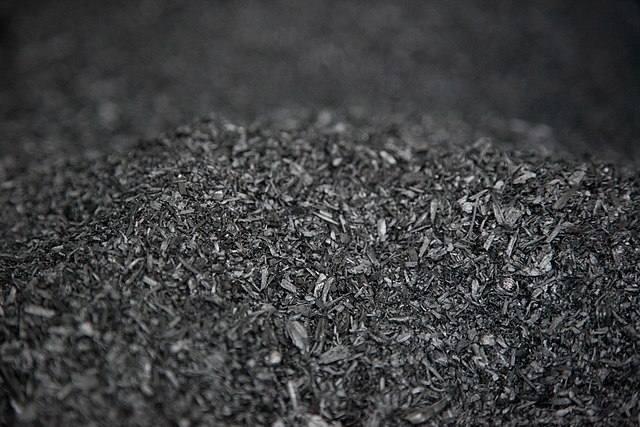
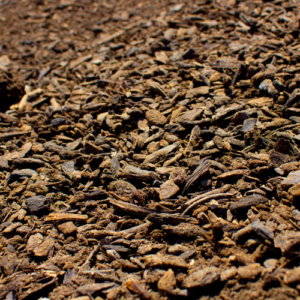
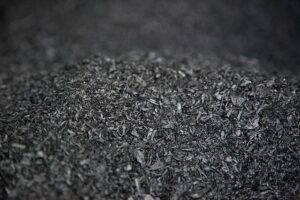
Biochar, a stable form of charcoal created through the pyrolysis of biomass, is lauded for its ability to improve soil fertility, enhance water retention, and foster beneficial microbial activity. Its production process involves heating organic material in a low-oxygen environment, resulting in carbon-rich byproducts. This carbon can be sequestered in the soil for thousands of years, effectively trapping carbon dioxide that would otherwise contribute to atmospheric warming. Therefore, investing in a mobile biochar unit means investing in a technology that fosters sustainability without the burden of traditional, stationary biochar production systems.
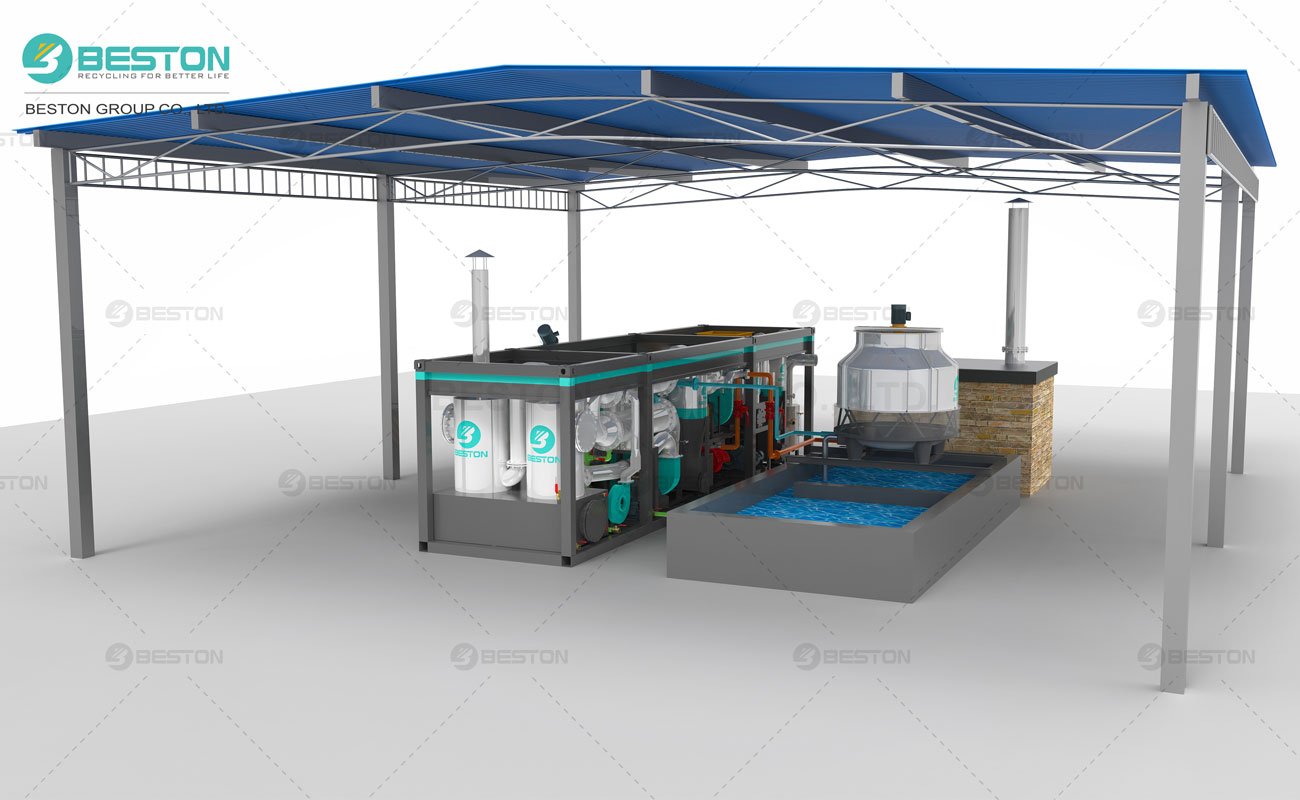
The mobile biochar machine, as epitomized by its skid-mounted configuration, offers unparalleled portability and efficiency. This unit can be transported directly to the source of feedstock—whether agricultural residues, forestry waste, or other organic materials—eliminating the need for lengthy transportation routes that contribute to carbon emissions. Imagine transporting equipment designed to transform waste into a valuable resource right to the site of biomass generation! The potential for local carbon capture while simultaneously enhancing agricultural productivity is enticing.
One noteworthy feature of custom-built mobile biochar units is their capacity for scalability. Depending on the needs of the user, these units can be tailor-made to handle varying volumes of biomass. This flexibility allows small operators to utilize a less extensive model while larger agricultural enterprises can opt for more robust systems. This versatility presents a solution tailored not just for large-scale producers but also for small farms and community initiatives wishing to capitalize on local biomass. The question then resurfacing is: How do you choose the right model that fits your operational needs without overshooting your budget?
However, despite the myriad benefits of mobile biochar units, one must consider the potential challenges that accompany their adoption. While the technological prowess of these machines is undeniable, the initial investment can be daunting. Beyond the cost of the unit itself, users must factor in operational aspects such as training, ongoing maintenance, and regulatory compliance. This leads to a critical inquiry: Are the environmental benefits and the efficacy of creating biochar through a mobile system substantial enough to justify the upfront expenditures?
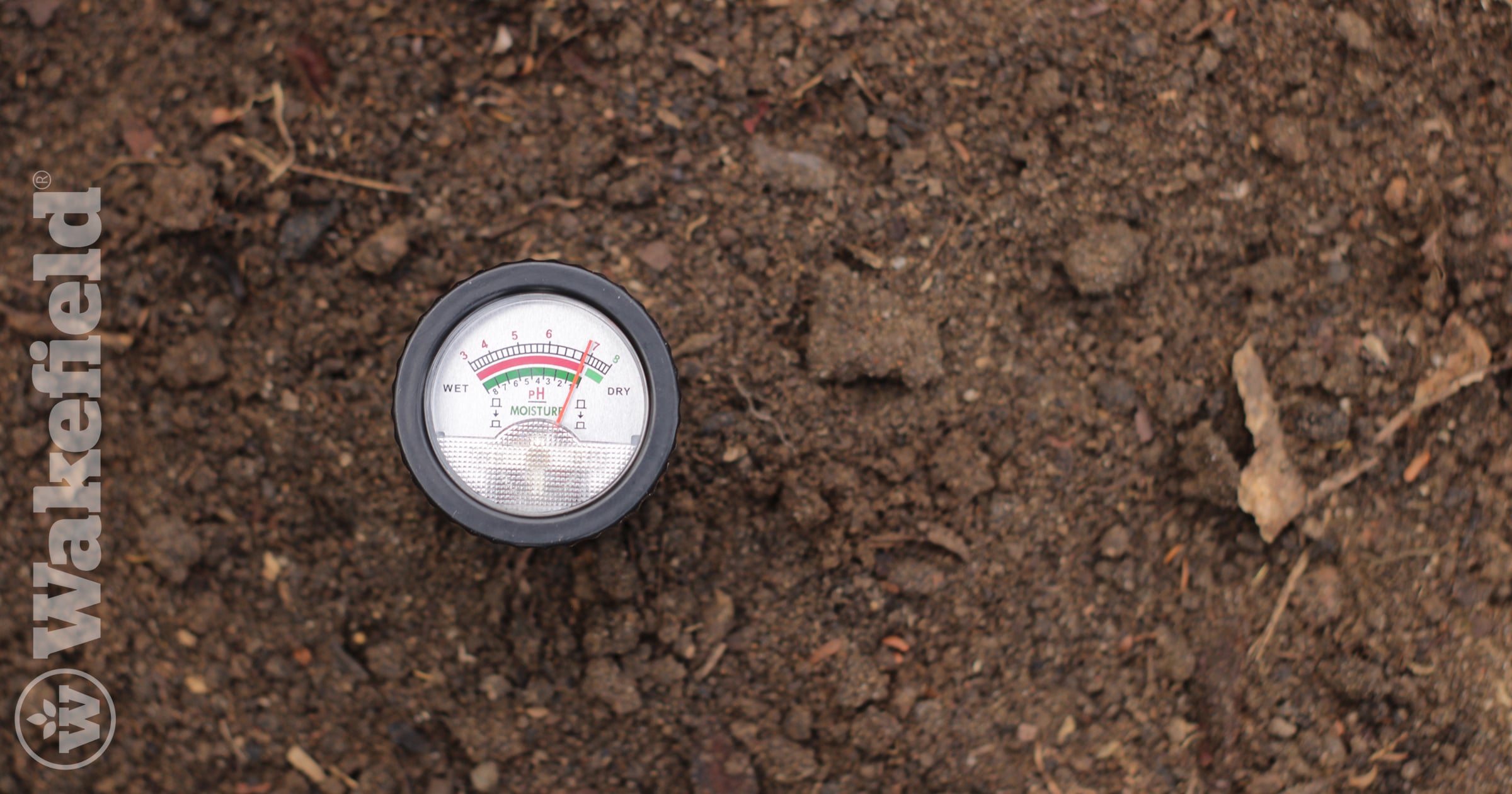
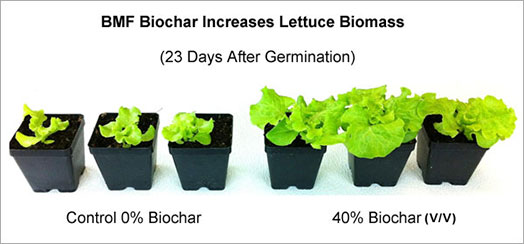
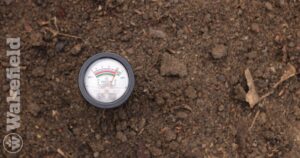
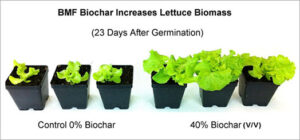
The benefits extend beyond mere soil enrichment. Research indicates that biochar can also enhance nutrient absorption, reduce nitrogen leaching, and improve overall crop yields. The ability of biochar to retain moisture benefits regions prone to drought, providing farmers with a resilient solution amid shifting climate patterns. Furthermore, biochar can alleviate soil acidity, a common issue in many agricultural contexts. The wide-ranging benefits prompt a further reflection: Is it plausible to envision a future where biochar becomes an indispensable component of sustainable farming practices across diverse agroecological zones?
Moreover, the integration of mobile biochar units aligns wonderfully with circular economy principles. By transforming waste biomass into biochar, these units efficaciously close the loop between production and waste management. Instead of allowing materials to stagnate in landfills, this approach converts them into a resource beneficial for both soil health and atmospheric carbon reduction. Could this revolutionize waste management in agricultural practices? One can hope it does.
However, issues surrounding public perception and acceptance of biochar technology cannot be ignored. Education is essential—farmers, policymakers, and the general public must be informed about the science behind biochar and its manifold benefits. Without a supportive community, the most innovative technologies might struggle to find their footing. This raises an intriguing proposition: How can stakeholders effectively advocate for the adoption of biochar practices in an effort to bolster both environmental health and agricultural productivity?
Another pivotal aspect of mobile biochar units lies in their operational simplicity and reduced environmental footprint. Traditional biochar production often engages significant energy inputs and complex logistics. In contrast, mobile machines streamline production, making it possible for users to generate biochar on-site with minimal disruption to their ongoing activities. The potential for reducing the carbon footprint while simultaneously enhancing onsite agricultural practices positions biochar as an attractive solution for those committed to developing environmentally conscientious operations.
As custom-built mobile biochar units gain traction, collaboration among government entities, agricultural organizations, and private sector innovations will play a crucial role in driving this technology forward. Concerted efforts to provide funding, training, and resources will ultimately determine how quickly and effectively this innovation permeates the market. In this light, one can hypothesize: Will this technological advancement stimulate a domino effect, catalyzing greater interest in sustainable agro-technologies?
In conclusion, custom-built mobile biochar units encapsulate a forward-thinking approach to sustainable agriculture and environmental stewardship. The transformation of waste biomass into biochar through these versatile machines heralds a new era where local production meets ecological responsibility. However, like any innovation, it brings forth both opportunities and challenges that necessitate careful consideration and engagement from all stakeholders. Engaging with these critical questions may ultimately pave the way for a more sustainable agricultural future, harmonizing productivity with planetary health.