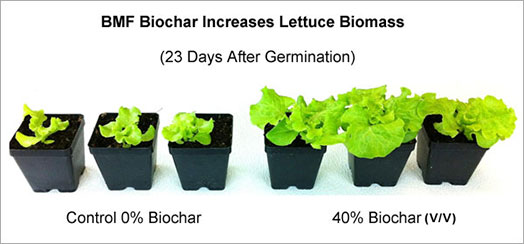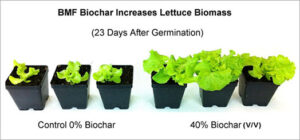
Biochar, a carbon-rich product derived from the pyrolysis of organic matter, has garnered increasing interest as an innovative solution for sustainable agriculture and environmental stewardship. The myriad benefits of incorporating biochar into soil extend beyond mere enhancement; they encompass improvements in soil structure, fertility, and resilience against environmental stressors. This article delves into the realm of DIY biochar systems, unraveling the various methods available, the exquisitely advantageous properties of biochar, and tips for effective implementation.
Understanding Biochar: A Brief Overview
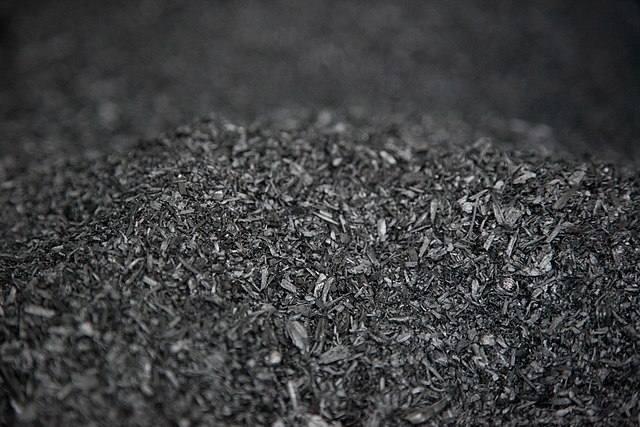
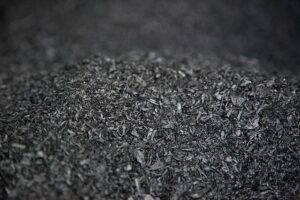
Biochar is created through the thermal decomposition of biomass in an oxygen-limited environment. The process, known as pyrolysis, transforms wood, agricultural residues, or even animal manure into a stable form of carbon that can sequester carbon dioxide for centuries. Its porous structure and high surface area facilitate not only nutrient retention but also improve microbial activity, making it a quintessential addition to soil health.
The Importance of DIY Biochar Systems
Setting up your own biochar production system democratizes access to this powerful agricultural tool. DIY biochar systems allow individuals or communities to take control of their soil management practices, reduce waste, and enhance crop productivity. Furthermore, producing biochar at home fosters a sense of stewardship and connection to sustainable practices. Whether on a small plot or a larger scale, the technology and methods are adaptable. Here, we explore various DIY biochar systems suitable for different circumstances.
1. The Simple Burn Method
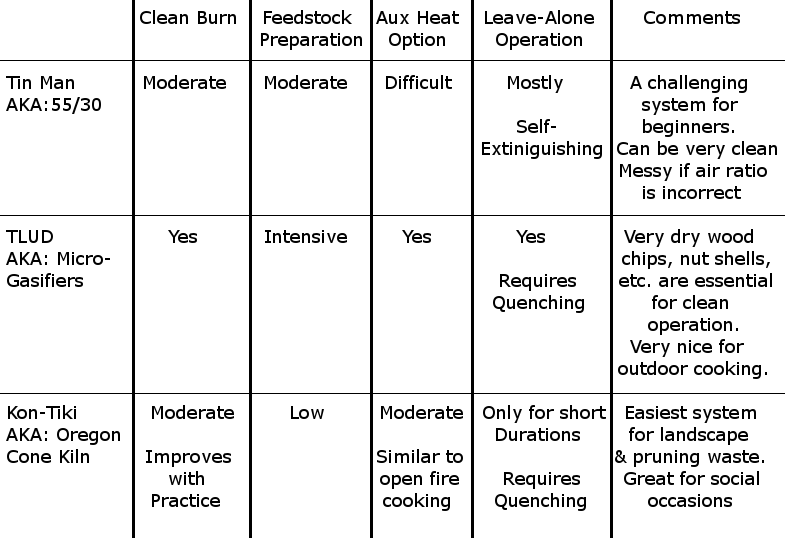
The most rudimentary way of producing biochar involves the direct burning of biomass in a controlled manner. This method, typically known as the “simple burn method,” can be executed using a trench or pit. A pit is dug into the ground, and layers of dry biomass are alternately placed with lighter materials. To ignite, a match or other ignition source is applied, ensuring the biomass burns slowly under reduced oxygen flow. This method is effective but requires close monitoring to ensure that complete carbonization occurs without excessive ash and smoke.
2. The Modified 55-Gallon Drum
For those seeking an intermediate level of sophistication, the modified 55-gallon drum method presents an excellent option. It employs a steel drum with holes for airflow to enhance the pyrolysis process. Filled with biomass, the drum is sealed and set afire. As the biomass burns, volatile gases are released. These gases can be captured and reused as fuel or allowed to escape, ensuring minimal conversion losses. This method offers cleaner production with relatively low startup costs, making it ideal for backyard biochar enthusiasts.
3. The Kiln Approach
For those with a penchant for engineering, constructing a biochar kiln allows for large-scale production. A typical kiln system includes an outer chamber designed for combustion and an inner chamber for biomass. The fundamental advantage of this closed-loop system is the ability to capture emissions. The heat produced can also be utilized for other applications, such as drying crops or heating buildings. While more complex and costly to set up initially, the long-term efficiency and output can surpass simpler systems.
4. The Continuous Feed System
Advanced biochar production can be achieved through continuous feed systems. These systems are designed for larger operations and can provide a consistent output of biochar. By constantly feeding biomass into the pyrolysis chamber, operators can seamlessly produce biochar while optimizing fuel and energy use. Such systems often integrate advanced technologies for better control of temperature and gas emissions, rendering them suitable for both commercial ventures and ambitious backyard projects.
5. Using Biodiversity in Biochar Production
An exciting avenue to explore in DIY biochar systems is the utilization of diverse feedstocks. Different types of biomass yield biochar with varying properties. For instance, wood-based feedstocks produce biochar that excels in nutrient retention and structural improvements, while agricultural residues, such as corn stalks, may enhance the soil’s moisture retention capabilities. Mixing feedstocks can result in biochar with tailored properties, catering to specific agricultural needs.
Tips for Successful Biochar Implementation
To ensure the successful use of your DIY-produced biochar, consider the following guidelines. First, always allow the biochar to cool before handling it. Properly cool biochar prevents accidental fires and makes it easier to mix with soil or compost. Second, inoculate the biochar with microorganisms to enhance its effectiveness. Mixing it with compost or soil before application introduces beneficial microbes that will thrive in the biochar’s porous structure, amplifying its potential benefits. Lastly, apply biochar judiciously; a little can go a long way. Overapplication may lead to nutrient imbalances or changes in soil pH that could hinder plant growth.
The Environmental Impact of DIY Biochar
The transformation of organic waste into biochar effectively diverts materials from landfills, thereby reducing methane emissions associated with decomposition. Furthermore, by enhancing soil health and productivity, biochar can play a pivotal role in sustainable agriculture, ultimately contributing to increased food security while lowering the carbon footprint. Every DIY biochar system represents a step toward a more homeostatic relationship with the environment.
Conclusion
Embarking on your DIY biochar journey opens doors to not only enriching your garden but also contributing to a sustainable future. Through understanding various production methods and their respective benefits, individuals can forge their path toward ecological responsibility. As awareness of biochar’s potential escalates, the enthusiasm for DIY systems can revolutionize agricultural practices, transform landscapes, and restore harmony with nature. The ability to engage in small-scale biochar production propels a larger movement toward environmental conservation, nurturing both soil and spirit.