In the realm of sustainable agriculture and environmental science, biochar has emerged as a pivotal subject of research. Its application in soil amendment invites myriad questions, particularly around its influence on soil pH. With growing concerns about soil health and nutrient availability, understanding the chemistry of biochar and its interaction with soil is essential for both farmers and environmentalists alike.
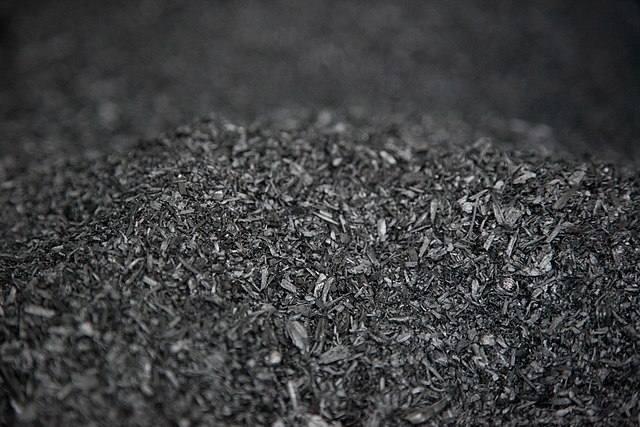
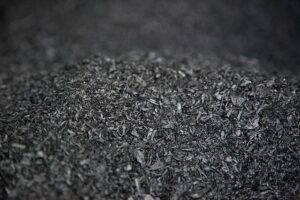
At its most fundamental level, biochar is a form of carbon-rich material produced through the pyrolysis of organic matter, such as agricultural residues and forestry by-products. As it gains popularity, one claim that surfaces frequently is biochar’s ability to raise soil pH levels. This assertion piques curiosity for various reasons, including the implications it holds for soil fertility, crop productivity, and ecological balance.
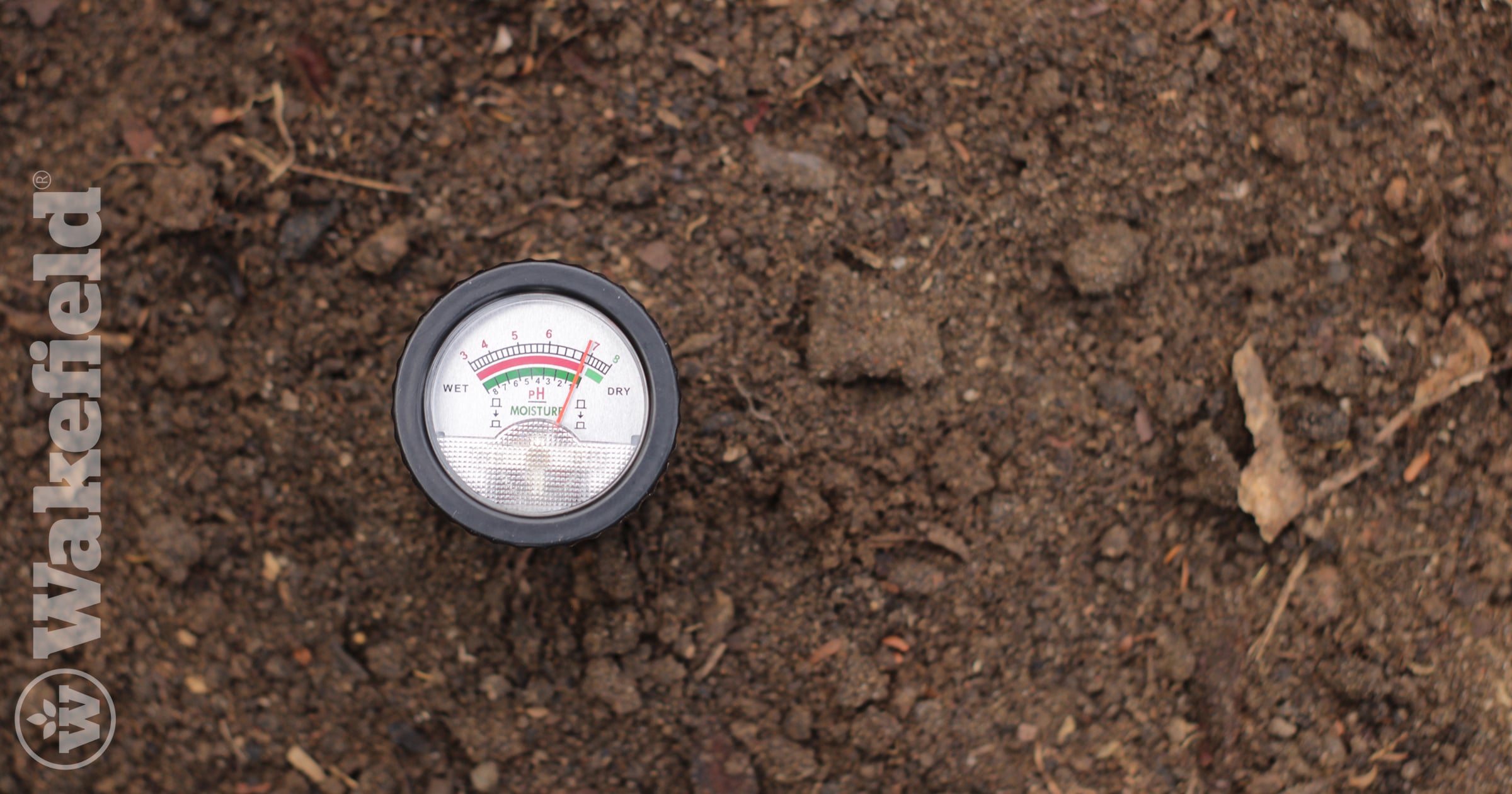
To explore whether biochar indeed elevates soil pH, it is crucial first to understand what soil pH signifies. pH is a measure of the hydrogen ion concentration in the soil, indicating its acidity or alkalinity. The scale ranges from 0 to 14, with values below 7 marking acidic conditions, 7 being neutral, and above 7 indicating alkalinity. For many crops, an optimal pH range lies between 6 and 7.5; thus, managing this factor is an essential aspect of agricultural practices.
A primary tenet of why biochar might influence soil pH is its inherent alkalinity. The feedstocks used to produce biochar can impart various properties that affect the final product’s pH. For example, hardwood-derived biochar tends to be more alkaline compared to softwood-derived variants. This variation can lead to differing effects on soil pH, dependent on the type utilized and its application rate.
Numerous studies have scrutinized the relationship between biochar application and soil pH adjustments. One notable aspect highlighted in academic literature is the “buffering capacity” of some biochars. When biochar interacts with soil, it can alter the availability of hydrogen ions, thus affecting pH levels. The mechanism by which this occurs often involves the complexation of nutrient ions, such as calcium and magnesium, enhancing their availability and potentially modifying pH balance.
Interestingly, the effects of biochar on soil pH can exhibit significant variability across different soil types. For instance, in sandy soils with low organic matter content, biochar can show a marked increase in pH, while its impact in clay-rich ne soils may be less pronounced. This suggests that local soil conditions play a critical role in determining how biochar will interact with soil chemistry. Understanding these subtleties helps delineate why blanket statements about biochar raising soil pH can sometimes be misleading.
Furthermore, the timing of biochar application is paramount. Studies have reported that incorporating biochar into the soil before planting can yield different outcomes than top-dressing it post-emergence. Early application allows better integration and interaction between biochar and soil particles, facilitating a more pronounced effect on pH levels. Hence, agronomic practices surrounding biochar use are essential for harnessing its potential full benefits.
The question of whether biochar raises soil pH also intersects with discussions around soil microbiomes. Microbial communities in the soil are influenced by pH levels, with certain organisms thriving in specific acidic or alkaline environments. Biochar can serve as a habitat for beneficial microbes while also modulating pH. Studies indicate that by creating a more favorable environment, biochar can enhance microbial activity, leading to improved soil health and nutrient cycling, further complicating the direct relationship between biochar and soil pH.
It’s imperative also to consider the context of agricultural practices. For instance, in regions where soil is heavily acidic due to excessive rainfall or leaching, biochar could act as a remedial agent, helping to ameliorate harsh conditions. Conversely, in alkaline soils, the introduction of certain types of biochar might exacerbate pH levels beyond the preferred range for crops, illuminating the necessity for tailored approaches based on the specific conditions present.
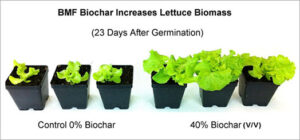
Research findings on biochar’s influence on soil pH facilitate a deeper investigation into broader implications for health and productivity within ecological systems. The enhancement of soil pH via biochar may not only support crop yields but can also influence broader agricultural sustainability by reducing dependency on synthetic fertilizers, which tend to acidify soil over time.
As the exploration into biochar continues, what remains irrefutable is that its effects on soil pH are multifaceted and influenced by myriad factors, including type, application method, and existing soil conditions. The ongoing research seeks to elucidate these complexities and their implications for sustainable agriculture.
In conclusion, while many studies affirm that biochar can raise soil pH, a nuanced understanding is critical. The interplay between various soil parameters makes it imperative for farmers, researchers, and eco-enthusiasts to consider a holistic approach. Simplifying biochar’s role in managing soil pH overlooks the intricacies of soil chemistry and microbial dynamics, ultimately shaping the path toward a more sustainable agricultural future. As this field of study evolves, further research will help clarify the precise mechanisms by which biochar affects soil pH, providing evidence that is both comprehensive and actionable for real-world applications.