Have you ever pondered if the Dakota Fire Pit method could be a viable technique for producing biochar? This unconventional method, rooted in survivalist philosophy, might just surprise you. The idea of creating biochar—an eco-friendly charcoal—while toying with fire can be a curious and intriguing concept. But before you set your landscape ablaze, let’s delve into the specifics of this method, its intended results, and whether it can effectively produce quality biochar.
The Dakota Fire Pit, famously championed by survivalists and campers, comprises two interconnected holes: one for a roaring flame and another to supply airflow. This ingenious design ensures optimal combustion by creating an updraft that fuels the fire, drastically improving efficiency. By harnessing the principles of oxygen management and thermal dynamics, users can achieve higher temperatures while using less material than traditional open fires. However, can a cooking technique like this translate into an effective biochar production mechanism?
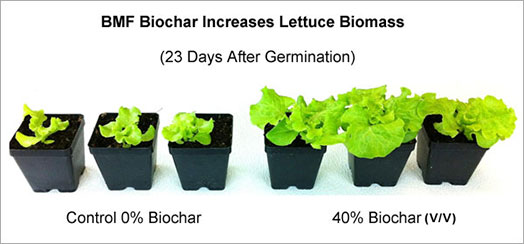
The journey towards biochar creation begins with an understanding of its chemical properties. Biochar is a carbon-rich product derived from pyrolysis—the thermal decomposition of organic material in low-oxygen conditions. The structure of biochar, characterized by its porous nature, allows it to sequester carbon and improve soil fertility when applied. However, many challenges arise when attempting to produce this substance efficiently. Will the Dakota Fire Pit facilitate those requirements, or introduce insurmountable roadblocks instead?
Exploring the concept of the Dakota Fire Pit as a biochar-producing unit means evaluating its controlled combustion capabilities. The pit’s design promotes an abundant supply of oxygen, crucial for complete combustion. But herein lies the challenge: to create biochar, you need to limit oxygen to induce carbonization instead of complete incineration of the feedstock. Is it possible to manipulate the Dakota Fire Pit to favor carbonization over combustion while still maintaining its unique airflow dynamics?
Proponents of the Dakota Fire Pit method argue that with careful management of airflow, it might yield usable biochar. The upper hole can be partially covered, restricting oxygen while promoting the retention of heat necessary for pyrolysis. Conditions must be meticulously monitored to determine when the volatile gases are driven off and when the material transforms into char, which is essential for biochar production. If done correctly, this method could lead to results that rival more conventional means of biochar generation, like biochar kilns or retorts.
However, experimentation is vital to explore the potential viability of the Dakota Fire Pit for this purpose. Start by preparing a suitable feedstock—preferably pure organic materials like wood chips, leaves, or small twigs. Moisture content also plays a crucial role; too wet and the fire will smolder, too dry and it may burn away entirely. Striking a balance may take some trial and error, but the potential rewards could be worth the effort.
Once the feedstock is appropriately prepared, ignite the fire pit and gradually adjust the airflow by controlling how much of the top hole is covered. Observing the combustion process closely is vital, as it can indicate the moment you enter the pivotal transition from combustion to pyrolysis. If temperatures spike and smoke becomes thick and billowy, you might be on the right track. The persistence of these conditions can lead to the formation of high-quality biochar, but what does the post-production phase reveal about the efficacy of this method?
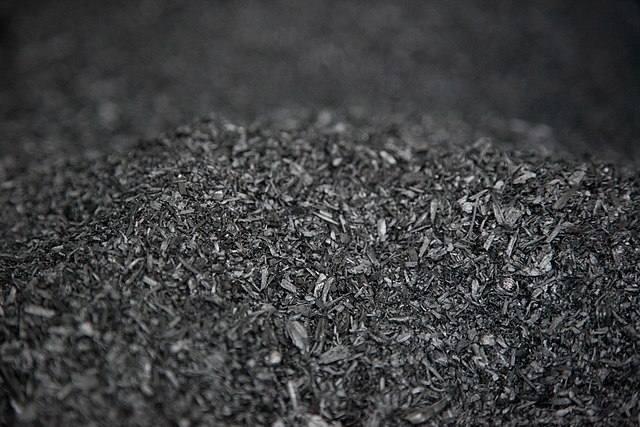
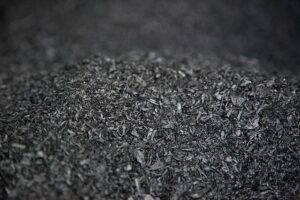
After attempting biochar production using the Dakota Fire Pit, the results warrant detailed examination. Inspecting the charred material carefully can yield insights into the success or failure of the process. Ideal biochar should exhibit a rich, black color and maintain a lightweight, crumbly texture, offering evidence that valuable carbon has survived the intense heat. Alternatively, if the char is ashen or brittle, it may point to excessive combustion and inadequate pyrolytic conversion. These outcomes hold significant implications for your methods moving forward and whether the Dakota Fire Pit remains a feasible avenue for biochar production.
A surprising revelation for many is that the Dakota Fire Pit method may offer a high degree of versatility. As more individuals seek sustainable practices for their gardening and agricultural needs, finding accessible methods to create biochar at home can spur innovation across communities. Though results may not be uniform, the journey itself encourages experimentation, leading to a greater understanding of how various materials and conditions interact to produce this useful soil amendment.
Ultimately, while the route to successfully utilizing the Dakota Fire Pit method for biochar production is fraught with challenges and requires diligence, it may indeed produce intriguing results. Regardless of whether it becomes a primary method or merely a creative exploration, the fusion of fire, ingenuity, and sustainable practices is captivating. So, does the Dakota Fire Pit method work for biochar? The answer teeters on your willingness to experiment, learn, and adapt—a journey that could culminate in surprising outcomes, both for your garden and the environment.