In the grand tapestry of environmental conservation, biochar emerges as a vibrant thread, interwoven with the potential to significantly alter ecosystems, mitigate climate change, and improve agricultural productivity. Imagine a material that serves as a sponge, not only soaking up carbon but also nurturing the very soil that sustains life. This is biochar—the alchemical creation born from the pyrolysis of organic materials. Its applications stretch far beyond mere waste management; they penetrate the essence of sustainability itself.
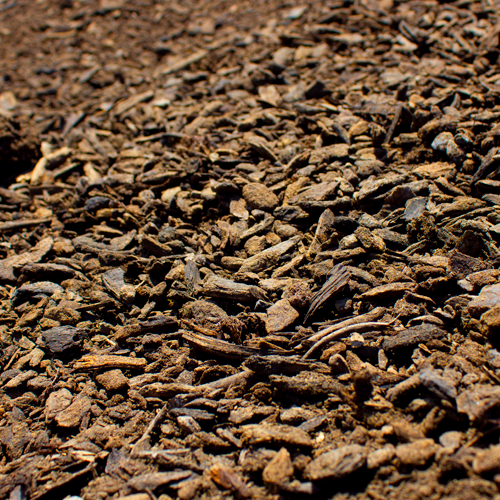
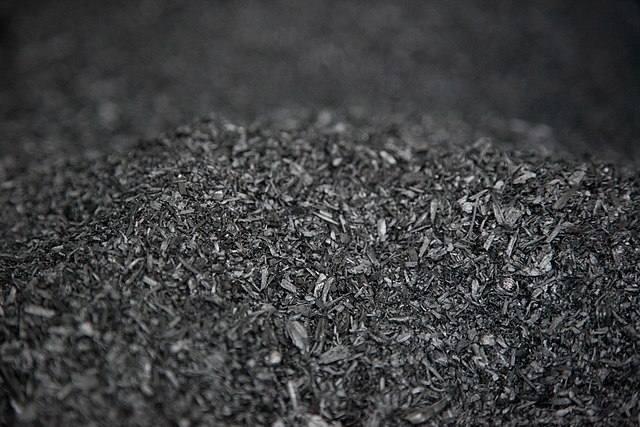
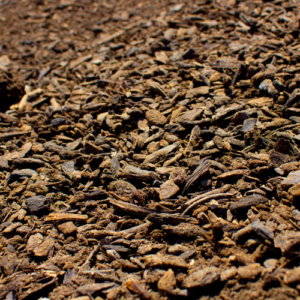
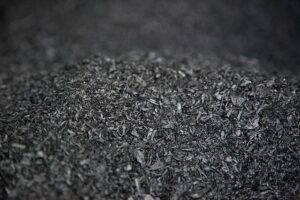
Biochar is created through the thermal decomposition of organic matter in an environment devoid of oxygen—a process known as pyrolysis. This transformative procedure results in a carbon-rich product that resembles charcoal, albeit infused with pronounced environmental benefits. The unique molecular structure of biochar enhances its ability to retain nutrients, moisture, and even pollutants, making it a linchpin in diverse environmental applications.
Soil Amendment: The Resurrector of Depleted Lands
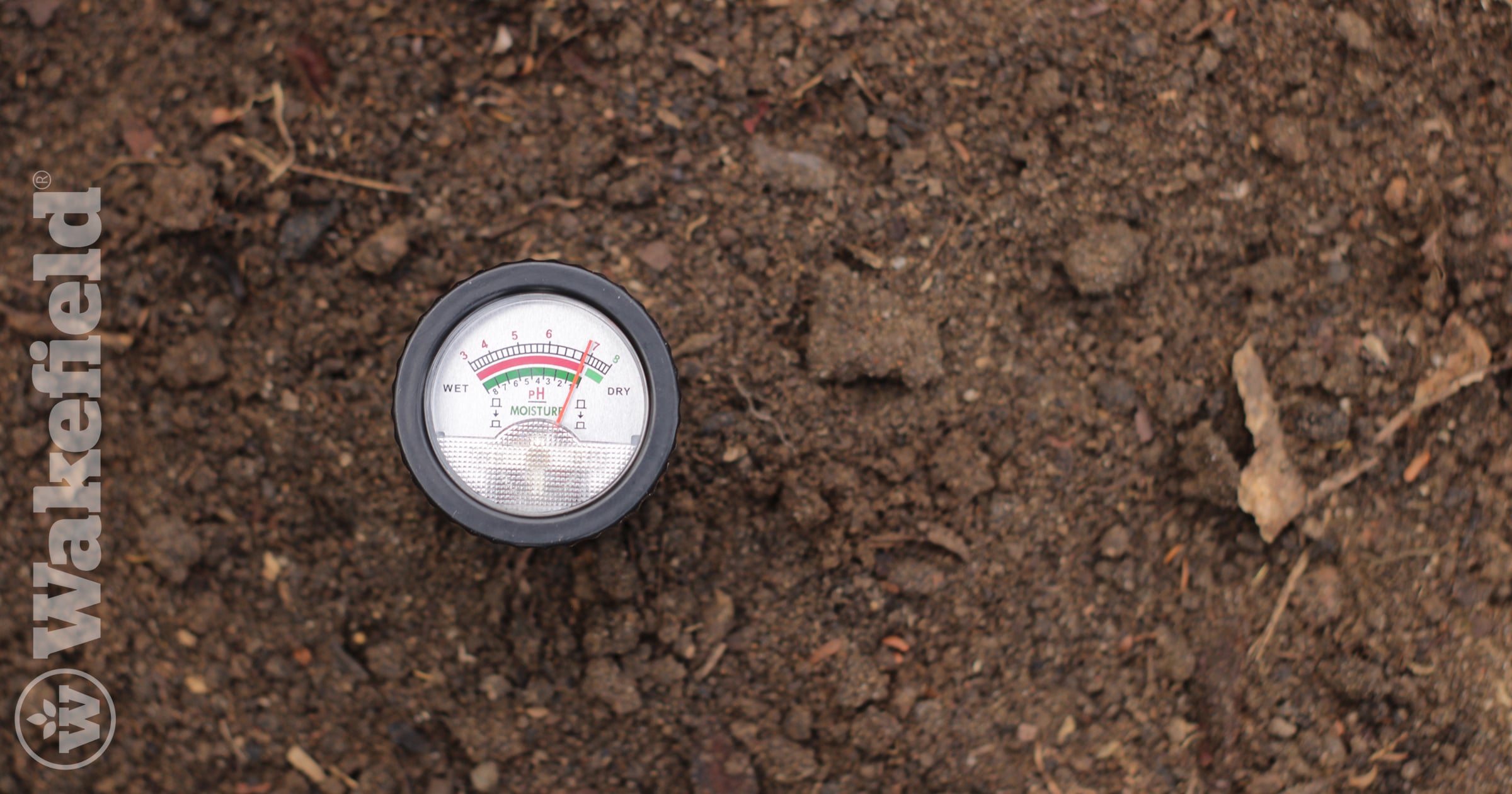
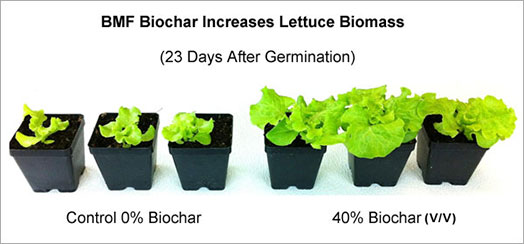
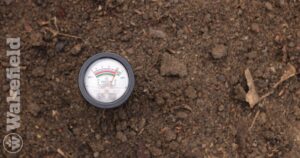
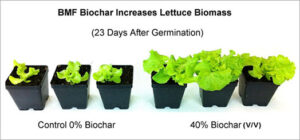
Central to the appeal of biochar is its role as a soil amendment. When introduced into degraded or nutrient-deficient soils, biochar acts as a rejuvenating elixir. Its porous structure creates habitats for beneficial microorganisms while improving aeration and water retention. Imagine the soil as a once-dormant garden, and biochar as the sunlight that awakens it. Research has elucidated clear enhancements in crop yields, which can more than double, showcasing biochar’s potential as a natural fertilizer. As farmers embrace this eco-friendly amendment, they inch closer to sustainable agricultural practices, reducing the reliance on synthetic fertilizers that poison our environment.
Carbon Sequestration: Nature’s Shield Against Climate Change
Biochar’s paramount function as a carbon sequestration agent positions it as a formidable ally in the fight against climate change. Through the process of pyrolysis, carbon trapped in organic materials is transformed into a stable form that can linger in the soil for hundreds to thousands of years. Visualization is key: think of biochar as a time capsule of carbon, sequestering greenhouse gases and preventing their release back into the atmosphere. When incorporated into soil, biochar not only stores carbon but promotes a balance in soil health, ultimately contributing to a sustainable climate strategy.
Water Treatment: The Purifier of Contaminated Waters
In an ever-urbanizing world, clean water has become a luxury rather than a given. Enter biochar, stepping into the role of a vigilant guard against contamination. Its extraordinary adsorptive properties enable it to bind heavy metals and organic contaminants, effectively cleansing polluted water sources. Just as a diligent filter purifies impure substances, biochar serves to detoxify wastewater, offering an affordable and eco-friendly solution. The implications are profound, especially for communities grappling with industrial runoff, presenting biochar as both a remedy and a resource.
Waste Management: The Phoenix from the Ashes
In what might be described as a circular narrative, biochar also addresses the burgeoning crisis of waste management. The agricultural and forestry industries generate copious organic waste, often relegated to incineration or landfilling. Biochar production transforms this waste into a valuable resource, thus creating a sustainable loop. Since biochar can be derived from various organic materials, including crop residues, manure, and even municipal waste, it exemplifies a pragmatic approach to waste reduction. The process embodies a phoenix rising from the ashes, turning what was previously considered refuse into a beneficial product.
Climate Resilience: Fostering Ecosystem Adaptability
Modern ecological challenges demand resilience, and biochar serves as a cornerstone in fostering ecosystem adaptability. Its ability to enhance soil health not only aids plants in coping with stressors such as drought and salinity but also contributes to biodiversity. As the substrate for diverse microbial communities, biochar nurtures life within the soil, establishing a thriving ecosystem that supports plant growth even under adverse conditions. The magnified resilience becomes a symbiotic dance, where both flora and fauna flourish side by side.
Conclusion: The Enigma of Biochar
As the multifaceted applications of biochar unfold, it transforms from a mere agricultural supplement into a powerful catalyst for environmental restoration. Its unique properties make it a captivating character within the storytelling of climate solutions, beckoning researchers, policymakers, and farmers alike to harness its potential. In a realm where innovation meets necessity, biochar embodies the promise of sustainability—a remarkable, carbon-rich material that is revolutionizing our approach to land, water, and waste management.
In this era of pressing ecological dilemmas, biochar shines as a beacon of hope. It rests at the confluence of technology and nature, urging humanity to rethink its relationship with the Earth. By embracing biochar, we foster not just a product, but a pathway toward a more sustainable future—one that recognizes the inherent interconnectedness of all life.