In the evolving world of sustainable agriculture, biochar has emerged as a powerful tool that captures the imagination of growers and environmentalists alike. This remarkable substance is more than just a carbon-rich material; it represents a synergistic approach to enhancing soil health, fostering carbon sequestration, and promoting ecological balance. This article will delve deep into the intricate facets of biochar, elucidating key facts that every grower should be intimately acquainted with.
1. What is Biochar?
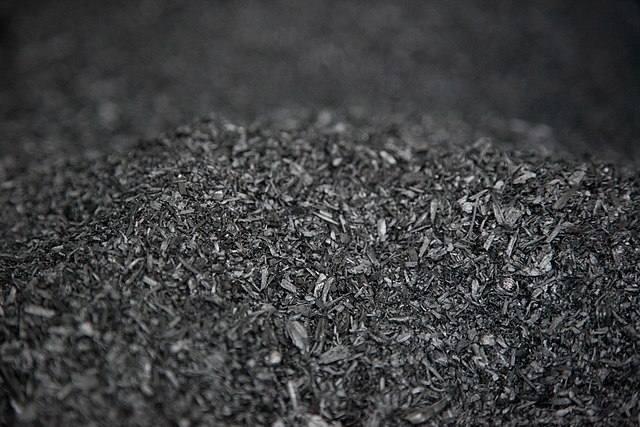
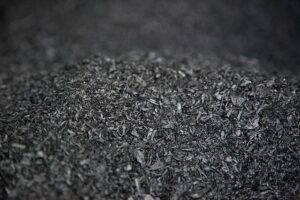
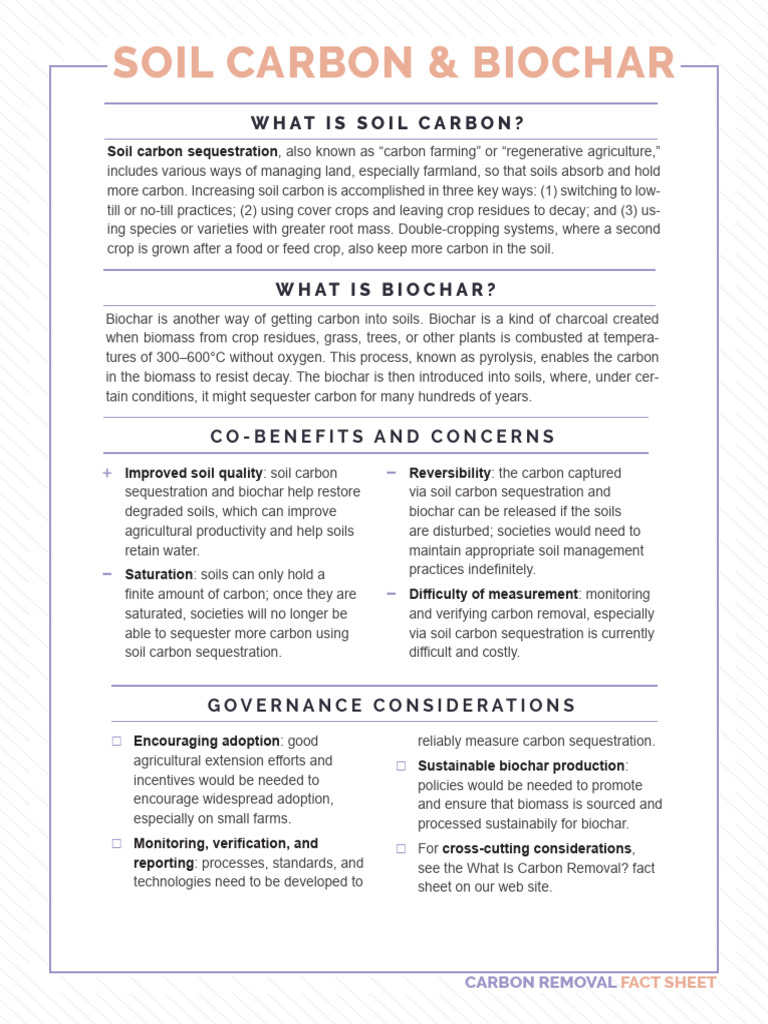
Biochar is a stable, carbonaceous material produced through the pyrolysis of organic matter, a process that not only preserves the nutrients within the biomass but also transforms it into a form that can be retained in the soil for centuries. The origins of biochar can be traced back to ancient civilizations, particularly in the Amazon basin, where indigenous communities utilized this method to enhance the fertility of their soils, creating what is now known as terra preta.
2. The Process: Pyrolysis Explained
The transformative journey of biochar begins with pyrolysis, a thermochemical decomposition that occurs in the absence of oxygen. By heating organic materials—such as wood, agricultural residues, or even manure—up to temperatures ranging from 300 to 700 degrees Celsius, volatile compounds are driven off, leaving behind a carbon-rich solid. This process not only creates biochar but also produces bio-oil and syngas, which can be harnessed for energy, thus making it an exemplary example of a circular economy.
3. Soil Benefits: Enhancing Vitality
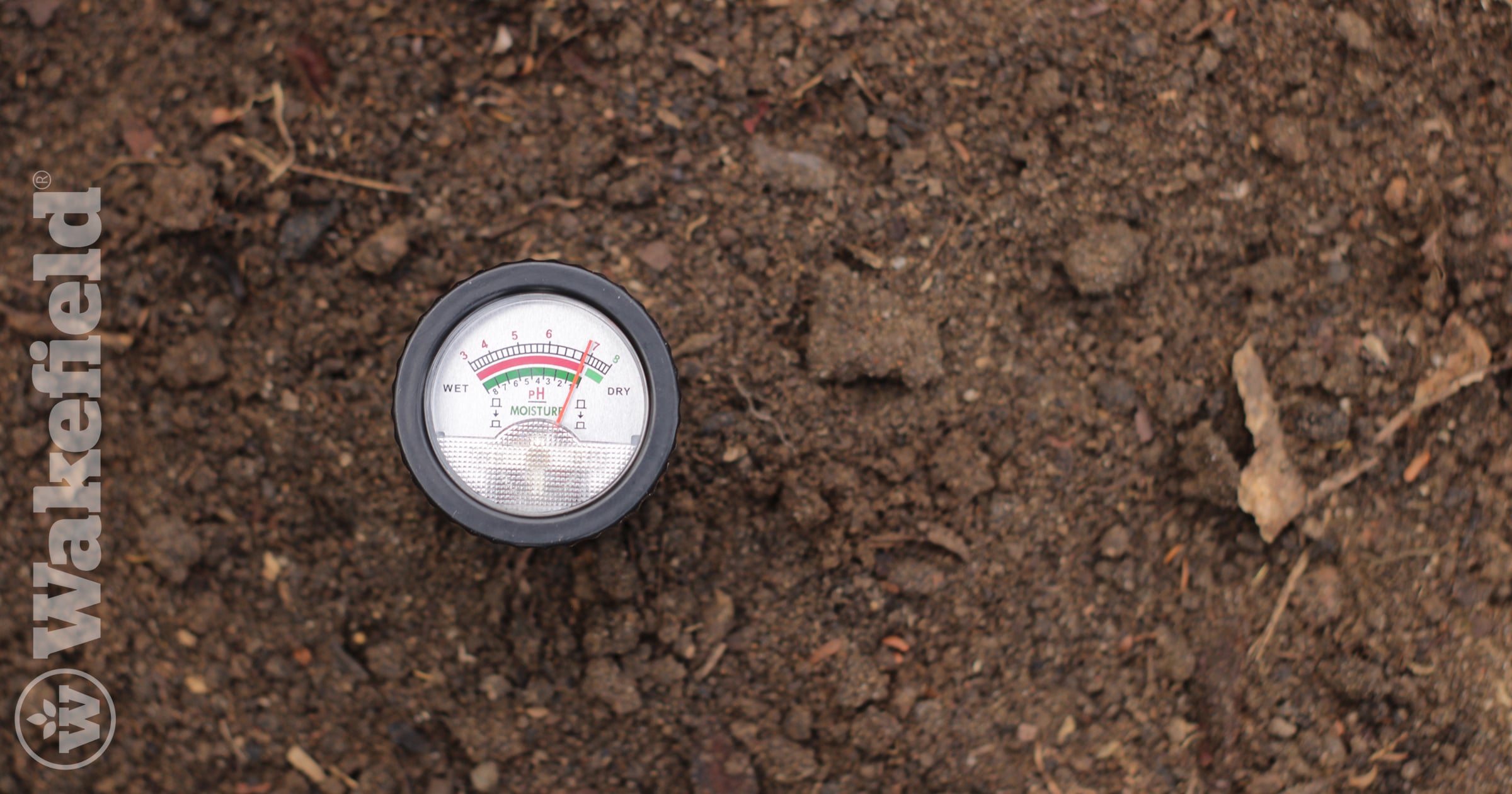
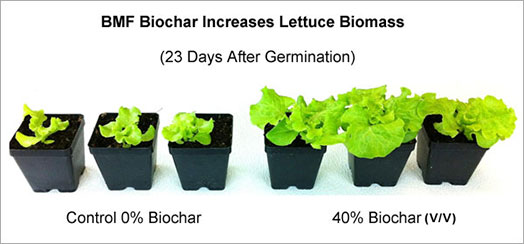
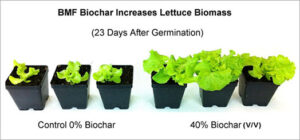
The application of biochar to agricultural soils has demonstrated profound benefits. It has the capacity to improve soil structure, leading to enhanced aeration and water retention. The porous nature of biochar allows it to serve as a habitat for beneficial microorganisms, thereby fostering a vibrant soil biome. Moreover, when integrated into the soil, biochar can aid in nutrient retention, reducing the need for chemical fertilizers and mitigating leaching into groundwater.
4. Carbon Sequestration: A Climate Hero
One of the most compelling aspects of biochar lies in its capacity for carbon sequestration. By converting biomass into a stable form of carbon, biochar prevents the release of CO2 back into the atmosphere, contributing to the fight against climate change. This entrapment of carbon can persist in the soil for hundreds to thousands of years, making biochar an effective strategy in reducing atmospheric carbon levels and enhancing soil carbon stocks.
5. Bioremediation Potential
Biochar’s unique adsorption properties extend its utility beyond mere soil amendment. It can also play a pivotal role in bioremediation, effectively binding to heavy metals, organic pollutants, and other toxic substances. This application is particularly relevant in the context of contaminated lands, where biochar can help restore ecological integrity while simultaneously enhancing soil fertility.
6. Diverse Feedstocks and Customization
The versatility of biochar is exemplified in the wide array of feedstocks that can be utilized in its production. From agricultural residues to forestry by-products, the choice of biomass can influence not only the chemical properties of biochar but also its effectiveness in various soil types. Customized biochar, tailored for specific soil conditions and crop needs, can be developed, amplifying its benefits for growers.
7. Economic Considerations
Beyond the environmental and agricultural advantages, the economic potential of biochar is noteworthy. By improving soil health and productivity, growers may witness enhanced crop yields, leading to increased profitability. Furthermore, incorporating biochar into farming practices may position growers favorably in the burgeoning carbon market, where sustainable practices are increasingly valued.
8. Challenges and Considerations
Despite its myriad benefits, the adoption of biochar is not without challenges. Variability in biochar quality and effectiveness can arise from differing production methods and feedstocks. Additionally, growers may encounter barriers related to cost, availability of feedstocks, and the requirement for specialized equipment for production. Understanding these challenges is crucial for growers to fully exploit the potential of biochar.
9. Research and Future Perspectives
Ongoing research into biochar is steadily uncovering new facets of its application and effects. Investigations are being conducted into its impact on specific crops, its interactions with various soil types, and its long-term effects on ecosystem health. As more evidence emerges, the future of biochar looks promising, potentially becoming a cornerstone of regenerative agriculture methodologies.
10. The Wrap-Up: A Call to Action for Growers
In light of the compelling advantages that biochar offers, growers are encouraged to explore its application within their agricultural practices. Whether through direct purchase, participating in community biochar initiatives, or investing in personal biochar production, the opportunities to enhance soil health, mitigate climate change, and elevate crop yields are abundant. Embracing this innovative approach could not only revolutionize personal farming outcomes but also contribute to a more sustainable and resilient agricultural landscape.
As the landscape of agriculture continues to evolve, the incorporation of biochar into farming practices represents a synthesis of tradition and innovation, paving the way for a sustainable future that is as fruitful as it is environmentally responsible.