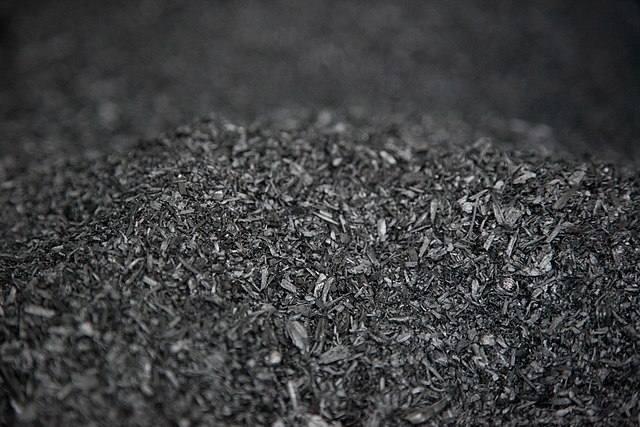
Biochar has emerged as a pivotal player in the conversation surrounding sustainable agriculture and carbon sequestration. Essentially, it is a stable form of carbon produced through the pyrolysis of organic materials, which creates a potent amendment to soils. The feedstock types used in biochar production significantly influence its properties, effectiveness, and the environmental benefits it can confer. Understanding these feedstock varieties offers fascinating insights into their characteristics and applications. Here, we will delve into the diverse range of feedstock types used in biochar production, providing a comprehensive overview.
First and foremost, it is essential to grasp the concept of biochar feedstock. Essentially, feedstock refers to the raw materials transformed during the pyrolysis process into biochar. The choice of feedstock not only determines the nutrient content of the resulting biochar but also impacts its physical and chemical properties. Let’s explore the common feedstock types, their features, and the underlying rationale for their use.
1. Agricultural Residues
Agricultural residues constitute one of the most prevalent categories of feedstocks for biochar production. This includes materials such as corn stover, straw, rice husks, and sugarcane bagasse. These byproducts are often abundant following harvest and are usually underutilized or burned, contributing to greenhouse gas emissions. By converting these residues into biochar, not only is waste minimized, but a valuable soil amendment is created.
The appeal of agricultural residues lies in their rich carbon content and the beneficial nutrients they can impart to soils. For instance, corn stover, rich in cellulose and lignin, provides excellent structural properties to biochar, enhancing soil aeration and water retention. Meanwhile, rice husks can add silica, supporting soil health and plant growth.
2. Forestry Byproducts
Forestry byproducts are another prominent feedstock category. This includes wood chips, sawdust, bark, and other plant residues generated during the timber industry’s operations. These materials are often available in large quantities, making them a sustainable choice for biochar production.
The utilization of forest-derived feedstocks helps mitigate waste from the timber industry and can contribute to the reduction of forest fires by creating a market for otherwise burned wood waste. Furthermore, biochar derived from softwoods tends to have a higher yield due to desirable lignin content, resulting in a product that can significantly improve soil fertility.
3. Organic Waste
Organic waste from municipal sources, such as food scraps and yard waste, presents yet another intriguing feedstock option for biochar. These materials are typically discarded, leading to significant methane emissions in landfills. Through pyrolysis, organic waste can not only be transformed into useful biochar but can also contribute to circular economy principles by recycling nutrients back into the soil.
Producing biochar from organic waste facilitates an impressive reduction in waste volume and mitigates environmental impacts associated with organic matter decomposition. The resulting biochar contains not only carbon and essential nutrients but also beneficial microorganisms that enhance soil health.
4. Manure
Livestock manure is frequently overlooked as a feedstock type but carries distinct advantages in biochar production. The utilization of manure—be it from cattle, poultry, or swine—transforms a significant waste product into a valuable resource while addressing nutrient overload issues commonly associated with traditional land application.
Biochar from manure boasts nutrient density, containing essential elements such as nitrogen, phosphorus, and potassium, making it an unparalleled soil amendment. Additionally, the presence of biochar can mitigate the odors associated with manure, making its use more palatable for agricultural practices.
5. Algae
In recent years, algae have garnered attention as a novel feedstock for biochar. This diverse group of organisms can be cultivated in various aquatic environments, making them a versatile biomass source. Algae biochar is particularly promising, as it is rich in micronutrients and possesses excellent adsorption properties.
Furthermore, algae cultivation can help address eutrophication in bodies of water by absorbing excess nutrients. The conversion of algae into biochar thus represents a dual benefit: improving water quality while creating a valuable soil amendment.
6. Industrial Byproducts
Many industries generate byproducts that can serve as biochar feedstocks. For instance, rubber tires, paper products, and textile waste can undergo pyrolysis to create biochar. These innovative feedstocks enable the recycling of materials that would otherwise contribute to landfills.
The utilization of industrial byproducts not only promotes sustainability but also introduces innovative carbon-rich materials into the soil. However, care must be taken to ensure that these feedstocks do not contain harmful contaminants that might offset the ecological benefits of biochar.
7. Mixed Feedstock
One of the most fascinating aspects of biochar production is the potential for using mixed feedstocks. This approach allows for the amalgamation of various organic materials, leading to a biochar product with enhanced properties. Mixing feedstocks can optimize nutrient profiles while balancing the ratios of carbon to nitrogen, making the final product more effective in enhancing soil fertility.
For instance, blending agricultural residues with manure might yield a biochar rich in both carbon and nutrients, creating a synergistic effect. This flexibility in feedstock selection highlights the ingenuity of biochar production processes and their adaptability to local resource availability.
Ultimately, the myriad feedstock types employed in biochar production underscore a broader narrative of innovation and sustainability. As researchers and practitioners continue to explore the appropriateness of different materials, the understanding of biochar’s functionalities expands. Each feedstock type introduces distinct characteristics and benefits, fueling a deeper appreciation for the complexity and potential of biochar in addressing global soil and climate challenges.