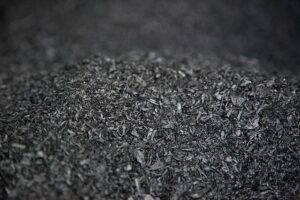
Biochar, a charred form of biomass produced through pyrolysis, has emerged as a multifaceted solution to some of the pressing environmental challenges of our time. Among the myriad feedstocks available for biochar production, forestry residues play a pivotal role. When exploring the relationship between biochar and forestry residues, a rich tapestry of potential benefits, ecological implications, and practical applications unfurls, revealing a deeper fascination with this natural carbon-rich material.
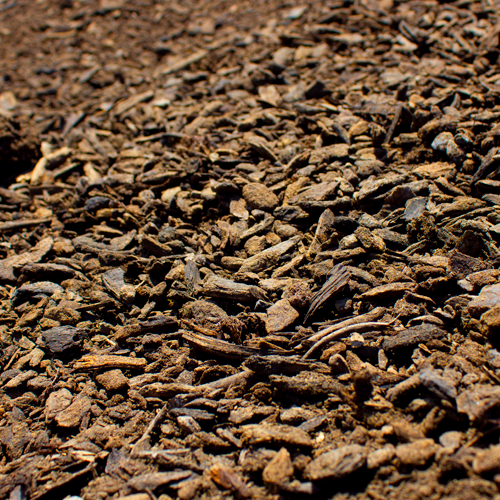
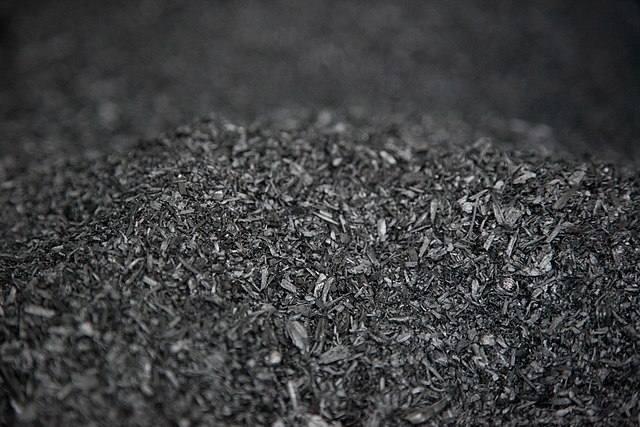
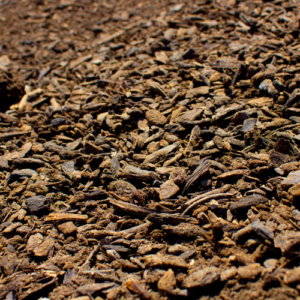
The essence of biochar lies within its production process. Forestry residues—debris accumulated from timber harvests, including branches, bark, and sawdust—are transformed into biochar through a thermochemical process in the absence of oxygen. This method not only mitigates the release of harmful gases typically associated with the burning of waste but also captures carbon in a stable form that can enrich soils and sequester carbon for centuries. In an era where climate change is looming large, the significant carbon sequestration potential of biochar is perhaps its most compelling feature.
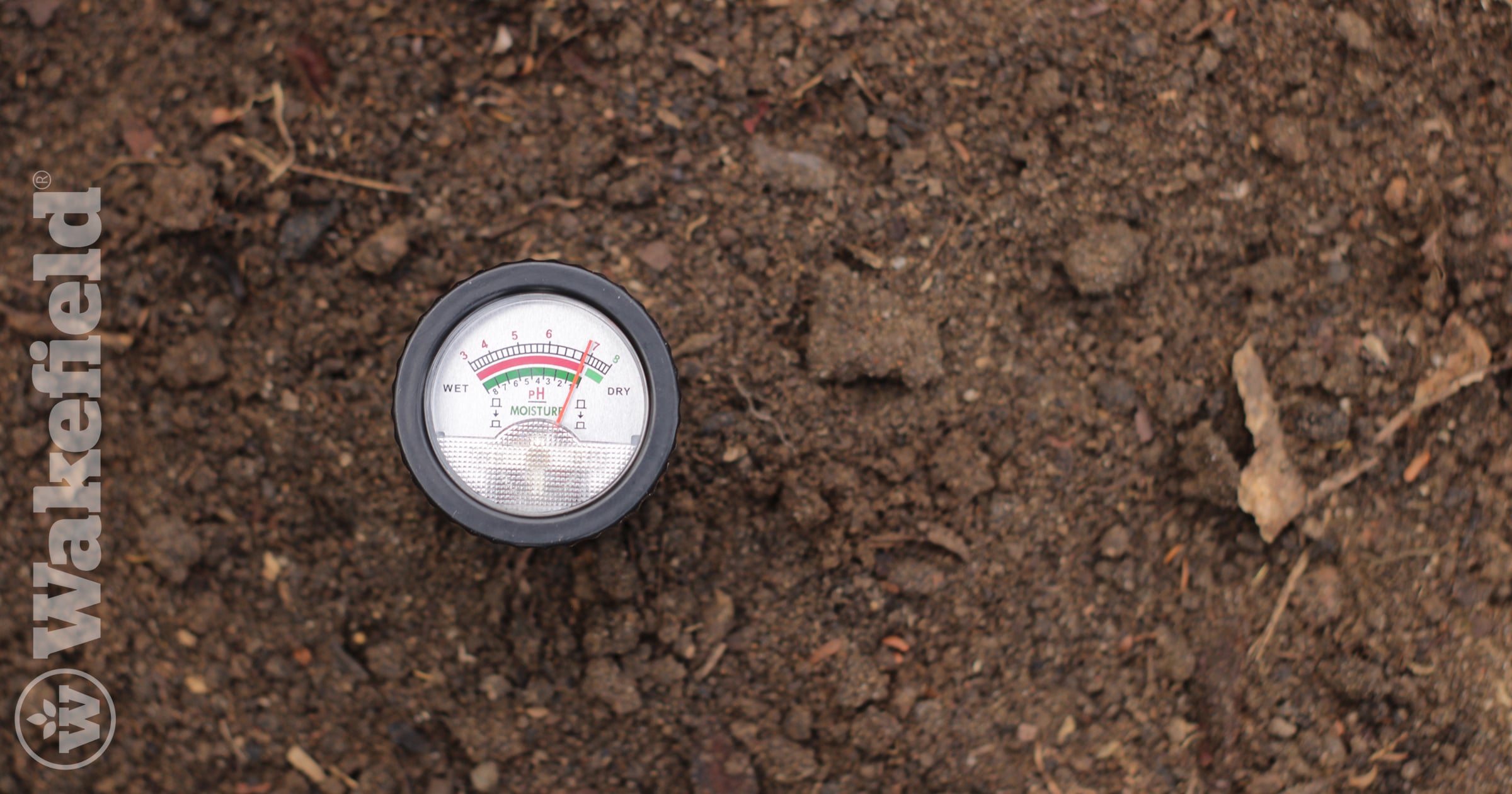
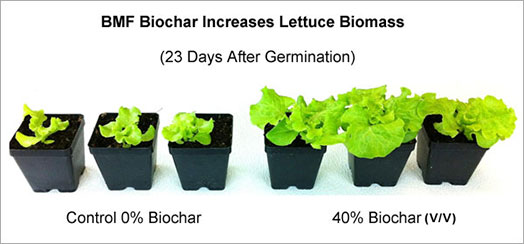
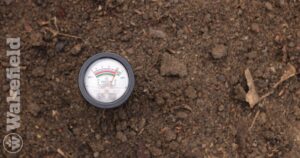
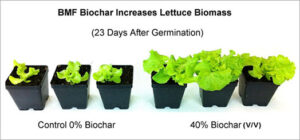
One of the most notable phenomena regarding biochar is its dual capacity to improve soil health while addressing waste management from the forestry sector. The application of biochar to degraded or nutrient-poor soils has been shown to enhance soil structure, water retention, and microbial activity. These attributes can increase the fertility of the land and promote sustainable agricultural practices. By transforming otherwise discarded forestry residues into a valuable soil amendment, biochar paves the way for a circular economy where resources are utilized efficiently and waste is minimized.
Furthermore, the properties of biochar depend significantly on the feedstock and the pyrolysis conditions. Forestry residues, characterized by their inherent lignin and cellulose content, often yield a biochar that is particularly effective in forming stable aggregates within soil. These aggregates not only provide habitat for beneficial microorganisms but also facilitate enhanced nutrient retention and reduced leaching. This synergy between biochar and soil ecology is a beacon of hope for sustainable land management techniques that can support food production while conserving natural ecosystems.
As we delve deeper into the realm of forestry residues and biochar, it is impossible to overlook the broader environmental implications. The reduction of greenhouse gas emissions is a pressing concern, as deforestation and uncontrolled burning of biomass contribute significantly to global carbon dioxide levels. By employing forestry residues to produce biochar instead, we can actively sequester atmospheric carbon and mitigate climate change. This action also reduces the need for chemical fertilizers, as biochar acts as a slow-release nutrient source, providing a sustainable alternative to conventional agricultural practices.
Moreover, biochar’s porous structure serves as a habitat for various soil-dwelling organisms, enriching the soil microbiome. This thriving community of microbes plays a critical role in nutrient cycling and disease suppression, fostering healthier crops and promoting biodiversity. Therefore, the use of forestry residues as a precursor to biochar not only enhances individual soil health but also strengthens the entire ecosystem, creating resilient landscapes capable of withstanding environmental stresses.
Interestingly, the fascination with biochar extends beyond its ecological advantages; it embodies a convergence of ancient practices and modern innovation. Indigenous cultures have long recognized the benefits of charred biomass, notably the Terra Preta soils of the Amazon, which were created through the intentional use of biochar. These practices are being revitalized today, highlighting a profound connection between traditional wisdom and contemporary environmental science.
The potential applications of biochar are remarkably diverse. Beyond agriculture, biochar can be utilized in various sectors, including waste management, water treatment, and construction materials. In soil remediation, biochar can immobilize heavy metals and organic pollutants, proving beneficial in contaminated sites. Additionally, its application in carbon capture technologies positions biochar as a critical player in the fight against climate change. This versatility enhances our fascination with the material, as it offers innovative solutions across multiple disciplines.
On a global stage, continued research and development surrounding biochar from forestry residues are imperative. Policymakers and stakeholders must recognize biochar not merely as agricultural amendment but as a viable strategy for carbon management and ecological restoration. Investment in biochar systems and related technologies can yield substantial returns, both economically and environmentally.
Moreover, a holistic understanding of the life cycle of biochar production and application is essential. From assessing different pyrolysis technologies to examining transportation logistics, every aspect must be optimized to ensure that biochar serves its intended purpose effectively. Educating farmers, landowners, and communities about the copious benefits of utilizing forestry residues for biochar is equally critical; it creates a paradigm shift towards more sustainable practices.
In conclusion, the nexus of biochar and forestry residues presents an ambitious pathway toward a more sustainable and ecologically responsible future. By embracing this ancient practice and integrating it into modern practices, we can address contemporary challenges while nurturing the environment. Through innovation, education, and dedication to sustainable resource management, biochar has the potential to emerge as an invaluable asset in our collective quest for ecological stewardship and climate change mitigation.