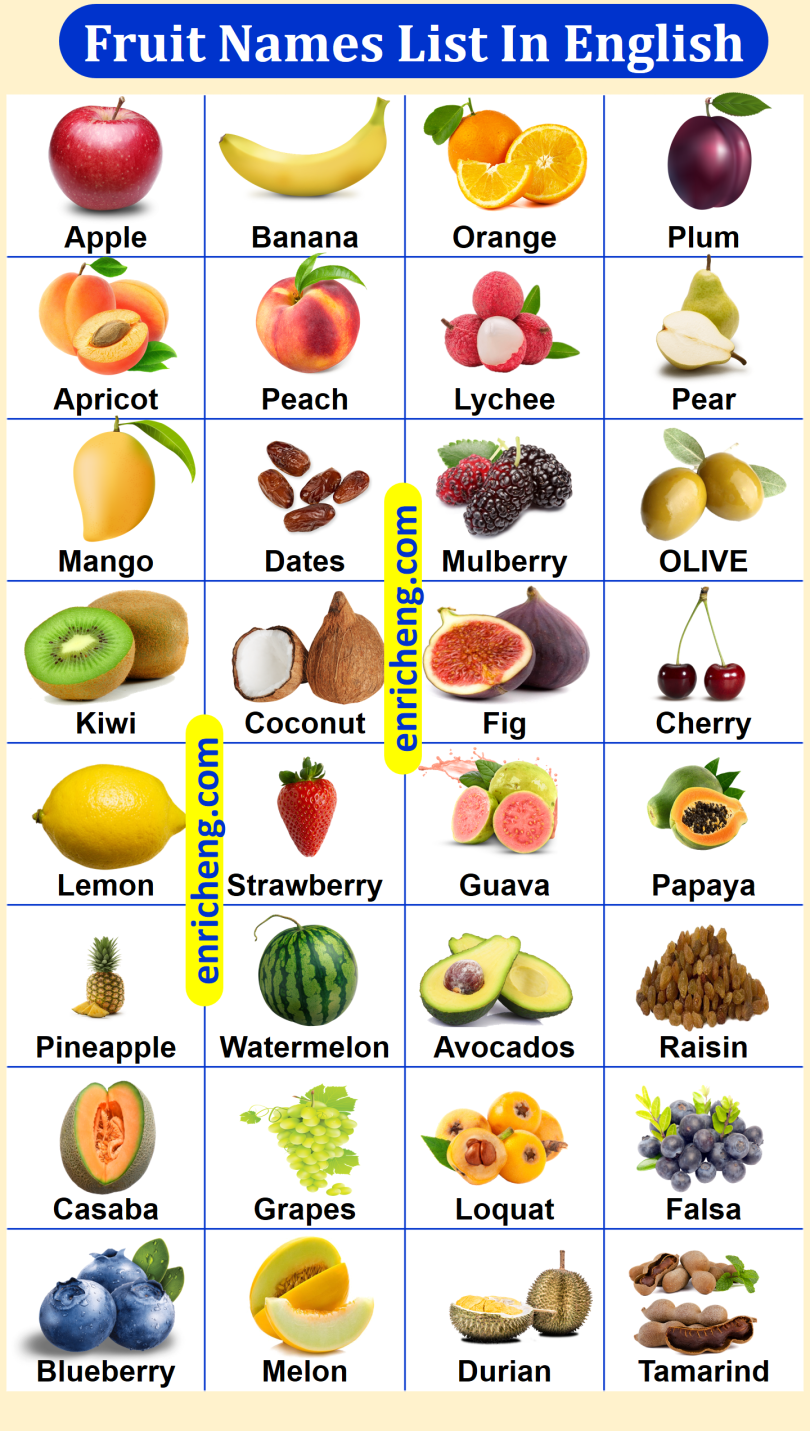
Biochar, a carbon-rich product derived from the pyrolysis of organic materials, has garnered attention in recent years for its multifaceted applications in agriculture and environmental enhancement. As a method of soil amendment, biochar exhibits promising benefits that can extend benefits to various fruit crops. This article delves into the relationship between biochar and fruits, exploring its definition, properties, benefits, and potential effects on various types of fruit trees.
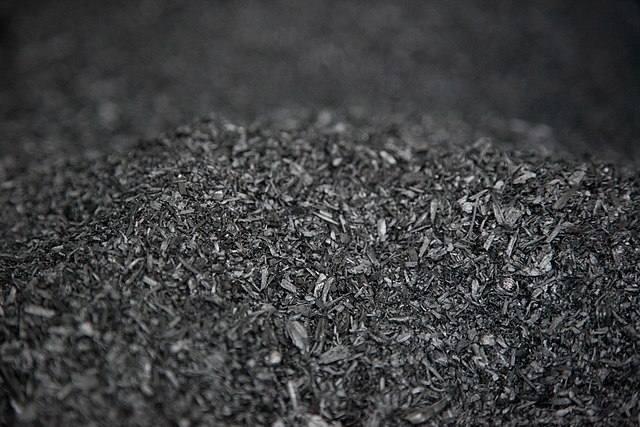
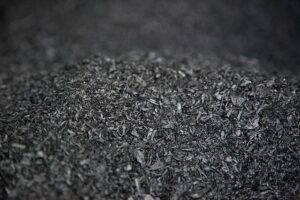
To comprehend how biochar interacts with fruit cultivation, one must first grasp what biochar truly is. Biochar is created by heating biomass—such as agricultural residues, wood chips, or even manure—under conditions of limited oxygen. This carbon sequestration process transforms organic matter into a stable form of carbon that can persist in the soil for centuries. The result is a porous, lightweight charcoal-like substance that improves soil health and contributes to sustainable land management practices.
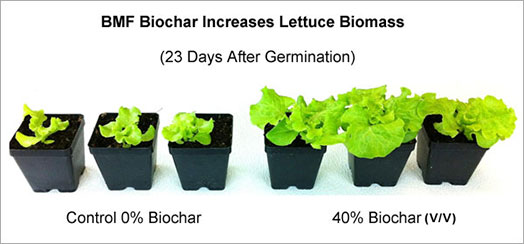
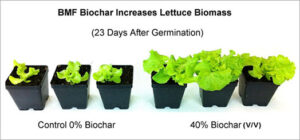
One of the fundamental properties of biochar is its high surface area. This characteristic promotes increased microbial activity in the soil, fostering a vibrant ecosystem of beneficial microorganisms. These microorganisms can enhance nutrient cycling, leading to improved fruit quality as well as greater yields. Furthermore, this high porosity allows biochar to retain water, enhancing the soil’s moisture-holding capacity, which is vital for the establishment and growth of fruit trees.
The positive implications of biochar for fruit cultivation are numerous. Firstly, the incorporation of biochar into fruit orchards can alleviate soil acidity. Many fruit varieties, such as apples and blueberries, flourish in slightly acidic environments. By modulating pH levels, biochar can create a more hospitable environment for these crops. Additionally, the nutrient retention capabilities of biochar mean that it can hoard essential nutrients—such as nitrogen, phosphorus, and potassium—making them readily available for fruit trees, thus promoting robust growth.
Examining specific fruits, we can see the role biochar plays in fruit production. For instance, studies have shown that the application of biochar to strawberry crops results in increased fruit size and improved flavor. Strawberries, being sensitive to soil conditions, thrive when biochar is used as an amendment, as it allows for amiable drainage and improved soil structure. This is particularly significant in regions prone to waterlogging, where enhanced drainage is crucial for root health.
Similarly, citrus fruits like oranges and lemons have shown promising results when biochar is mixed into the soil. The porous nature of biochar improves the aeration of compacted soils often found in citrus orchards, reducing root stress and promoting healthy growth. Moreover, this treatment can enhance fruit uniformity and increase sugar content, making the fruit more palatable and marketable.
Additionally, biochar can serve as an organic pest deterrent. When applied to fruit orchards, it can create unfavorable conditions for certain pests and pathogens. The presence of biochar in the soil ecosystem can disrupt the life cycle of nematodes and other soil-borne parasites, which can greatly benefit sensitive fruit crops like grapes and cherries. The reduced reliance on chemical pesticides not only enhances the health of the environment but also appeals to consumers looking for sustainable and eco-friendly agriculture practices.
The benefits of biochar extend beyond immediate agricultural yields. Its ability to sequester carbon also provides a significant environmental advantage. By locking carbon dioxide in a stable form, biochar mitigates greenhouse gas emissions, contributing positively to climate change mitigation. For fruit growers, this means that they are not only responsible stewards of the land but also active participants in the global fight against climate change.
Nevertheless, implementing biochar in fruit production is not without its challenges. The efficacy of biochar can vary based on its source, the feedstock used, and the specific soil conditions. For successful application, it is essential to consider the properties of the biochar, including its nutrient content and pH levels. Each fruit species may respond differently to the incorporation of biochar, necessitating tailored approaches to maximize benefits.
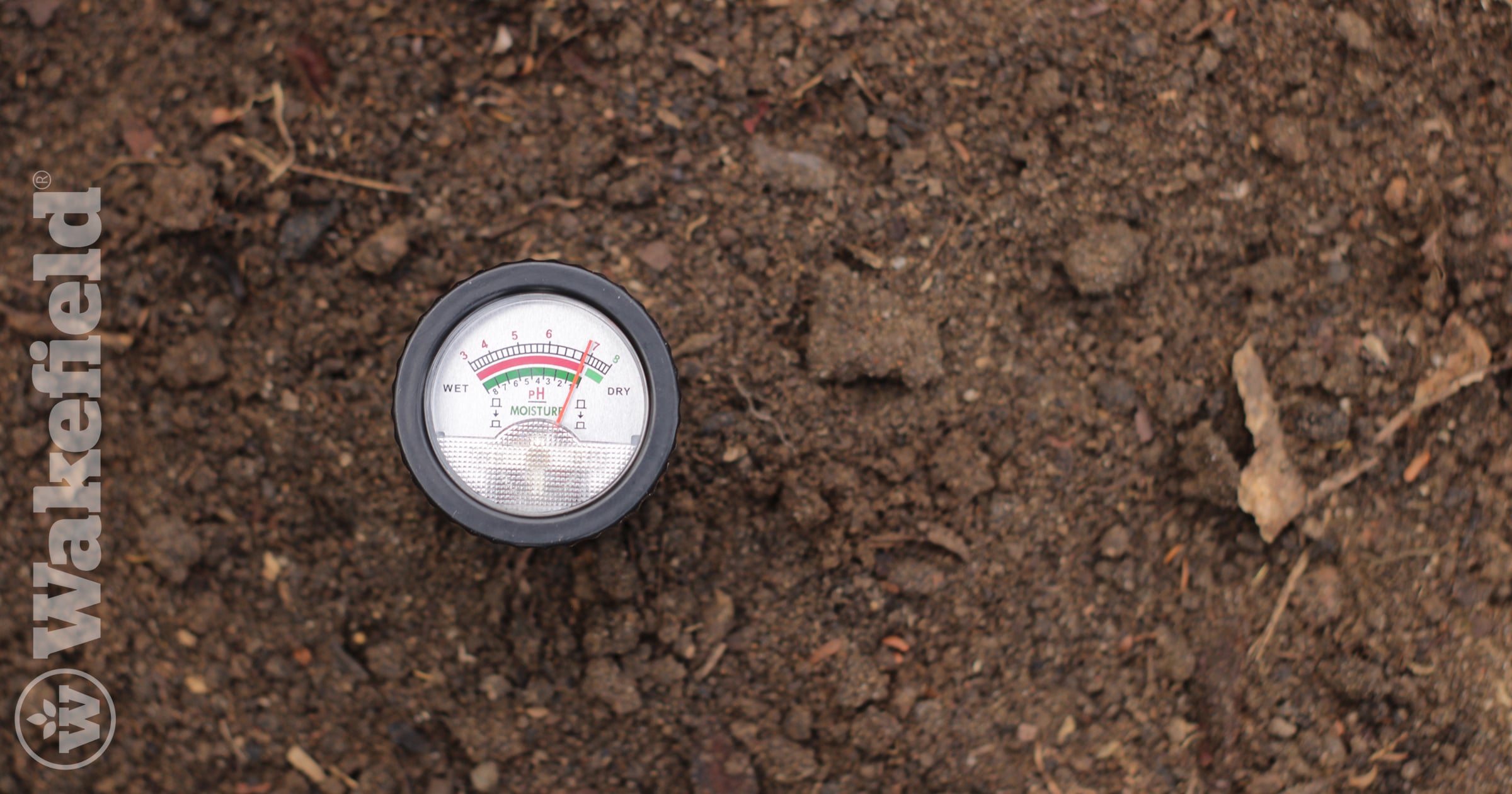
Additionally, it is important to conduct periodic soil tests to monitor the long-term effects of biochar applications. Over time, the soil may require adjustments, including the addition of other organic amendments or fertilizers, to ensure that nutrient levels remain balanced and conducive to fruit production.
In conclusion, biochar emerges as a transformative tool in the realm of fruit cultivation. Its impacts reach far and wide, enhancing soil health, promoting plant vitality, improving fruit quality, and contributing to ecological sustainability. As more research surfaces regarding the effectiveness of biochar in different fruit types and farming systems, growers are encouraged to consider its application as part of a holistic approach to agricultural management. The intersection of ancient agricultural wisdom and modern scientific principles, biochar stands poised to revolutionize fruit production, paving the way for an era of sustainable agriculture that benefits both producers and consumers alike.