Have you ever wondered what happens to organic matter when it is subjected to extreme heat in the absence of oxygen? This intriguing process, known as gasification, is fundamentally reshaping our understanding of waste and energy. While many might consider it a hot topic, the cooler side of gasification dives into the world of biochar—a stable, carbon-rich product that offers a myriad of benefits for soil health, carbon sequestration, and renewable energy production.
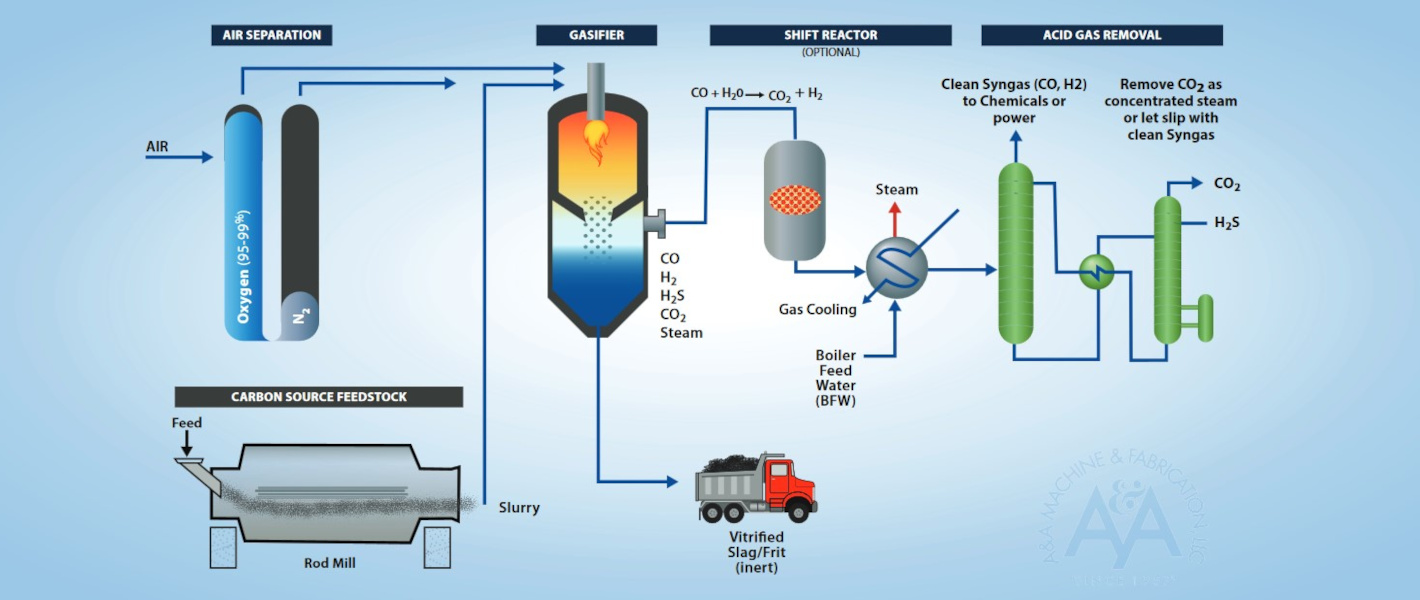
Gasification stands as a transformative technology, turning biomass into syngas—a mixture predominantly comprised of hydrogen and carbon monoxide. This syngas can then be employed to generate electricity or even converted into fuel. But what often lingers in the shadows of this discussion is the fate of the solid byproduct: biochar. How does biochar contribute to sustainability, and what challenges does its production present? Let’s explore.
Understanding Biochar
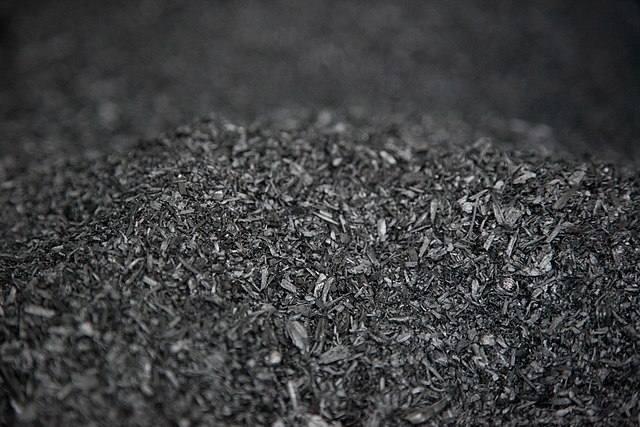
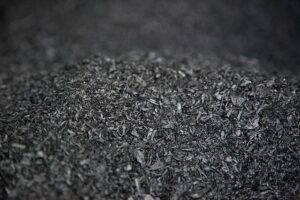
Biochar is more than just a carbon-rich residue; it is a complex material that exhibits a porous structure, enhancing its ability to retain nutrients and water. This unique characteristic makes biochar an exceptional soil amendment, one that augments soil fertility and promotes healthy plant growth. The omnipresent challenge, however, lies in its production and use in agricultural practices. How can we optimize its benefits while minimizing its drawbacks?
The Biochar Production Process
To truly grasp the world of biochar, one must delve into the nuances of its creation. The gasification process begins with the pyrolysis of organic materials—ranging from agricultural waste to forestry residues. This thermal decomposition occurs at temperatures between 300°C to 800°C in an oxygen-limited environment. The result is a transformation of biomass into syngas, liquid bio-oil, and, of course, solid biochar. Each of these components carries its own implications for energy applications and environmental impact.
However, variable conditions during the gasification process can lead to inconsistencies in biochar quality. Factors such as feedstock type, temperature, and gasification duration influence the intrinsic properties of biochar, presenting a challenge for widespread acceptance in agricultural practices. How do we establish standardized protocols to ensure biochar’s reliability?
Benefits of Biochar in Agriculture
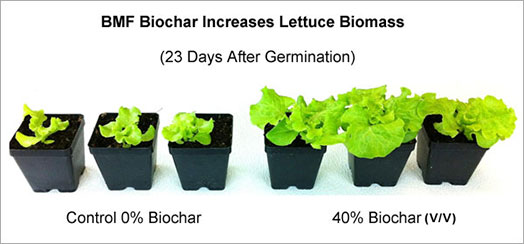
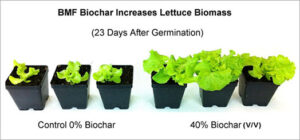
The potential benefits of biochar are vast. Its application to soils can improve soil structure, enhance nutrient retention, and stimulate microbial activity. Farmers and agronomists have reported notable increases in crop yield following the application of biochar, suggesting that it can play a significant role in sustainable farming practices. Not only does this provide a pathway for improving food security, but it also serves as a viable solution for carbon sequestration. Biochar can effectively lock carbon away in the soil for hundreds to thousands of years, mitigating greenhouse gas emissions in the process. Yet the question remains: how widely can these benefits be harnessed without overwhelming local ecosystems or producing ecological disparities?
Environmental Impact and Sustainability
In a society increasingly keen on sustainability, the desire to utilize waste products creatively has never been more potent. Biochar production adopts the philosophy of waste reduction; instead of relegating organic waste to landfills where it decomposes anaerobically and emits methane, we can transform it into a valuable resource. This approach aligns closely with circular economy principles, wherein waste is reimagined as a commodity.
Despite these promising prospects, it is crucial to remain vigilant regarding the potential environmental impacts associated with biomass sourcing and biochar application. Over-harvesting of feedstock can result in ecological degradation, affecting biodiversity and contributing to soil depletion. Additionally, mismanagement of biochar application could lead to nutrient imbalances, potentially harming soil health. The challenge lies in ensuring that biochar production is conducted sustainably, with a thorough understanding of the local ecosystem.
Economic Viability
From an economic standpoint, the allure of biochar is undeniable. Its potential use as a carbon offset credit and a sustainable soil amendment opens new avenues for farmers and investors alike. By converting waste into biochar, agricultural operations can reduce disposal costs while fostering a healthier environment. However, the initial investment in gasification technology and continued operational costs pose a formidable barrier for many small-scale farmers. Can policy initiatives and subsidies facilitate greater access to these pivotal technologies, leveling the playing field?
Future Outlook
Looking to the future, we stand at a crossroad. With growing awareness of climate change, the demand for sustainable agricultural practices and carbon management strategies is proliferating. Gasification and biochar offer innovative pathways to address these pressing issues, but they are not without their obstacles. Challenges such as establishing robust production standards, ensuring sustainable biomass sourcing, and optimizing economic models require collaborative efforts between government, industry, and academia. Can we harness collective expertise to unlock the full potential of biochar, transforming not only our soils but also our planet?
In conclusion, the journey of biochar—from gasification of waste to its application as a powerful resource—opens a Pandora’s box of possibilities. As we explore this dynamic interplay, we must approach it with both enthusiasm and caution, ensuring that we cultivate solutions that are not only effective but also sustainable. The burning question remains: how will we respond to these challenges, and can creativity lead us toward a more sustainable future?