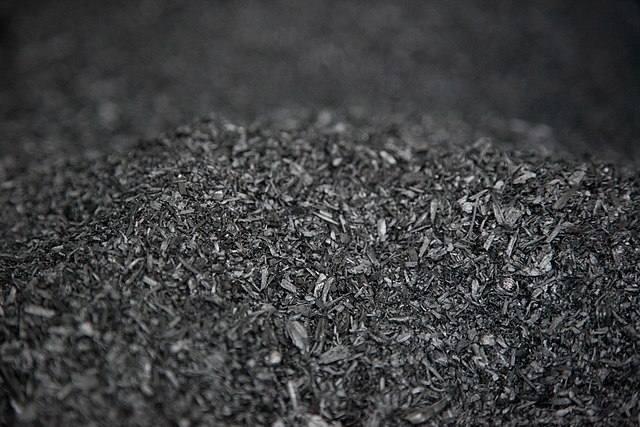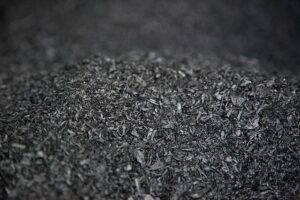
Biochar, a carbon-rich product derived from the pyrolysis of organic materials, has emerged as a pivotal agent in the quest for sustainable land management and carbon sequestration. As global awareness surrounding climate change intensifies, the market for biochar is steadily gaining traction. This analysis delves into the prevailing trends in the biochar market, including its diverse applications, technological advancements, regional dynamics, and future prospects.
The Rise of Biochar in Agriculture
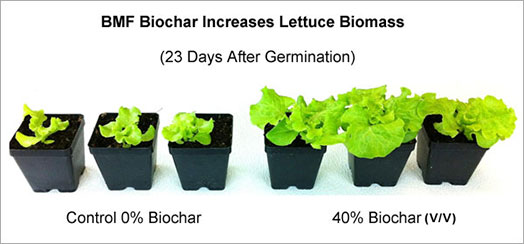
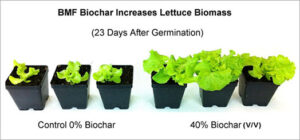
One of the most significant drivers of the biochar market is its application in agriculture. Farmers and cultivators are increasingly recognizing the benefits of biochar as a soil amendment. Its porous structure enhances soil aeration and water retention, critically improving the health of crops. Moreover, biochar can improve nutrient cycling, leading to enhanced fertility and productivity. This increased longevity in soil means that farmers can rely on biochar as a long-term agricultural solution that supports sustainable farming practices.
Environmental Benefits and Carbon Sequestration
A key element of biochar’s appeal lies in its environmental benefits. Unlike standard organic waste disposal methods, which emit considerable greenhouse gases, biochar sequesters carbon dioxide within its structure, making it a valuable tool in combating climate change. By converting waste materials into biochar, industries can contribute to carbon offsetting strategies. This has led to an increase in demand from environmentally conscious businesses eager to integrate carbon-neutral practices, illustrating biochar’s dual role as an ecological savior and a market commodity.
Diverse Feedstocks: A Broader Perspective
Biochar can be produced from a plethora of feedstocks, ranging from agricultural residues such as corn stover and rice husks to forestry waste and even municipal solid waste. This diversification of feedstocks not only enhances the sustainability of biochar production but also ensures that myriad industries can adopt biochar solutions. As innovative processing technologies evolve, the flexibility in feedstock utilization is expected to spur market growth. This adaptability allows biochar producers to optimize their operations based on local resource availability and economic viability.
Technological Advancements: Innovations in Production
Innovations in pyrolysis technology have revolutionized the biochar market. The refining of pyrolysis processes has led to the creation of more efficient, scalable production methods. Advances in microwave and hydrothermal carbonization technologies offer quicker and more energy-efficient ways to produce biochar. These technological improvements have far-reaching implications, enabling lower production costs and enhanced product quality. Notably, the proliferation of mobile production units allows for biochar manufacturing close to the source of raw materials, thereby minimizing transportation costs and carbon footprints.
Regional Dynamics in the Global Market
The global biochar market is influenced by regional dynamics shaped by varying agricultural practices, government policies, and environmental regulations. In North America and Europe, increasing investments in sustainable agriculture and stringent emissions regulations are driving up demand for biochar. Countries like Germany, the United States, and Canada are spearheading research initiatives focused on biochar applications to enhance soil fertility and mitigate climate change effects.
Conversely, regions in Asia and Africa are beginning to recognize biochar’s potential, albeit at a slower pace. As agriculture remains a critical economic pillar in these regions, the adoption of biochar is gradually burgeoning, particularly in nations like India, where innovative farming solutions are essential to feed an ever-growing population.
Challenges Facing the Biochar Market
Despite its myriad benefits, the biochar market is not without challenges. Public perception remains a significant barrier, often stemming from misconceptions regarding the effectiveness and safety of biochar applications. Education and outreach are essential to help consumers, farmers, and policymakers understand the advantages of biochar as a sustainable solution.
Moreover, regulatory frameworks can be inconsistent across different regions, complicating market growth. The lack of universal standards for biochar quality may give rise to variations in product efficacy, which could stymie consumer trust. Addressing these challenges requires cooperative efforts between producers, regulators, and environmental advocates to establish quality assurance mechanisms that bolster credibility.
Future Prospects and Market Expansion
Looking ahead, the future of the biochar market appears promising, with expectations for substantial growth driven by rising environmental consciousness and governmental support for carbon mitigation strategies. As more regions recognize the multifaceted benefits of biochar, market penetration is likely to increase. Additionally, investment in biochar research and development is anticipated to yield new applications beyond agriculture, including wastewater treatment, energy production, and even building materials.
Collaboration between public and private sectors will play a crucial role in fostering market expansion. By prioritizing sustainability and innovative practices, stakeholders can harness biochar’s potential to contribute to both ecological balance and economic growth.
Conclusion: An Essential Component for Sustainability
In conclusion, biochar stands at the intersection of agricultural innovation and environmental stewardship. As global demand for sustainable solutions continues to rise, biochar’s significance in the ecology, agriculture, and industry will only escalate. Being informed of ongoing trends and developments in the biochar market will enable stakeholders to make educated decisions. A collective commitment to embracing and advancing biochar initiatives will usher in a more sustainable future, ensuring that the potential of this remarkable material is fully realized.