Biochar, a carbon-rich material produced through the pyrolysis of organic matter, has emerged as a compelling solution in the agenda for greenhouse gas reduction. As global warming progresses, innovative strategies like biochar are paramount for achieving sustainability and mitigating climate change. This article delves into the various dimensions of biochar, exploring its composition, types, mechanisms of action, applications, and the multiple benefits it proffers in the fight against climate change.
Understanding Biochar
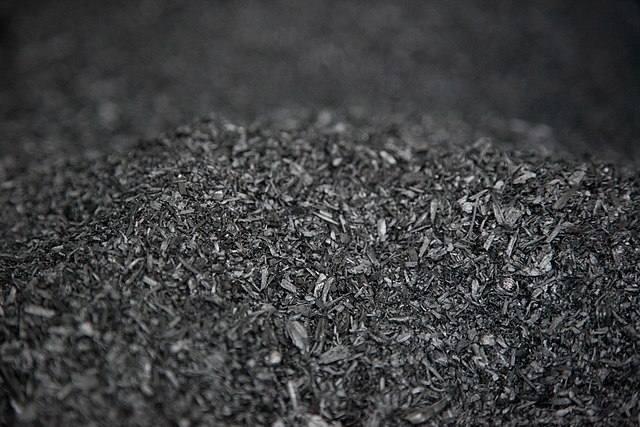
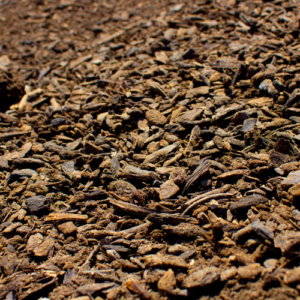
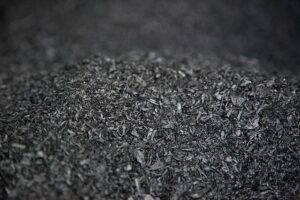
Biochar is formed through the thermal decomposition of biomass—such as agricultural residues, forestry waste, and organic municipal solid waste—in the absence of oxygen. This process, known as pyrolysis, results in a stable, carbonaceous product that can be sequestered in soil for centuries. Unlike other carbon forms, biochar exhibits unique porous characteristics, which greatly enhance its ability to retain nutrients and moisture, contributing to improved soil health.
The Production Process
The transformation of biomass into biochar involves several key steps. Initially, biomass is harvested and dried, followed by the pyrolysis phase, where it is subjected to high temperatures ranging from 300°C to 700°C. The temperature and duration of pyrolysis significantly influence the properties of the resulting biochar, affecting its carbon content, pH, and nutrient availability. Various feedstocks can produce distinct types of biochar, highlighting the importance of selecting the appropriate materials for desired outcomes.
Types of Biochar
Biochar can be categorized based on the feedstock used and the production method. Common types include:
- Wood-based Biochar: Produced from wood and woody residues, this type is rich in carbon and often used to improve soil structure and fertility.
- Agricultural Residue Biochar: Derived from crop residues like straw and husks, it helps to recycle nutrients and reduce agricultural waste.
- Manure Biochar: Created from animal manure, this variety enhances soil nutrient profiles while reducing greenhouse gas emissions during its decomposition.
- Waste-derived Biochar: Made from various organic waste products, this type offers a dual environmental benefit by diverting waste from landfills while creating a valuable resource for soil enhancement.
Mechanism of Action in Greenhouse Gas Reduction
The efficacy of biochar in greenhouse gas reduction lies primarily in its ability to sequester carbon. When applied to soil, biochar transforms carbon from a short-term cycle into a long-term stable form. The stable carbon in biochar can remain sequestered for hundreds to thousands of years, effectively reducing the amount of carbon dioxide (CO2) released into the atmosphere. Moreover, it mitigates other greenhouse gases such as methane (CH4) and nitrous oxide (N2O), which are far more potent in terms of global warming potential.
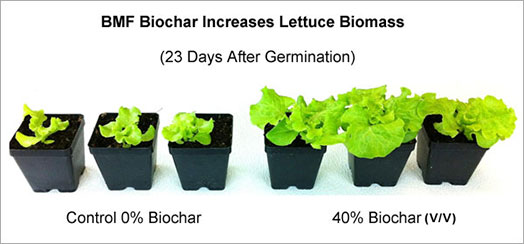
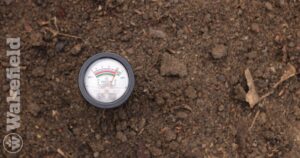
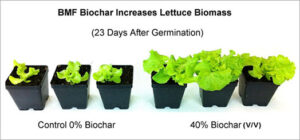
In addition to carbon sequestration, biochar improves soil health, which further bolsters its greenhouse gas reduction capabilities. The enhanced soil structure allows for better water retention and aeration, thus promoting healthier plant growth. Healthy soils can capture more atmospheric CO2 through photosynthesis, thereby creating a natural carbon sink.
Applications of Biochar
Biochar finds diverse applications across numerous sectors, underscoring its versatility and value:
- Agriculture: Farmers utilize biochar to amend soils, enhance fertility, and promote sustainable agricultural practices. Its ability to retain nutrients effectively reduces the need for chemical fertilizers.
- Forestry: In reforestation and afforestation efforts, biochar can be used to improve forest soil quality and resilience against climate stresses.
- Urban Waste Management: Cities can integrate biochar production in their waste management strategies, converting organic waste into a beneficial resource, while concurrently alleviating landfill pressures.
- Carbon Trading: As societies become more carbon-conscious, biochar projects can create carbon credits, incentivizing carbon sequestration through market mechanisms.
Benefits Beyond Carbon Reduction
Beyond its primary role in greenhouse gas reduction, biochar offers several ancillary benefits that contribute to environmental health and sustainability:
- Improved Soil Quality: Biochar enhances soil structure, increases water retention, and promotes beneficial microbial activity, creating a more sustainable agricultural ecosystem.
- Reduction of Soil Acidity: By acting as a liming agent, biochar can neutralize acidic soils, leading to improved crop yields and healthier ecosystems.
- Waste Recycling: Utilizing agricultural and forestry waste in biochar production minimizes environmental pollution and contributes to a circular economy.
- Enhanced Biodiversity: The porous structure of biochar fosters microbial habitats, promoting biodiversity in soil ecosystems.
Challenges and Considerations
Despite the myriad benefits of biochar, certain challenges must be addressed for its widespread adoption. Issues such as varying production costs, the need for rigorous quality control, and the need for education on best practices to optimize its use in different agricultural contexts persist. Additionally, regulatory frameworks need to evolve to adequately account for biochar’s potential in carbon accounting and environmental legislation.
Conclusion
Biochar stands at the forefront of sustainable practices aimed at mitigating climate change and enhancing agricultural productivity. Its multifaceted benefits, including effective carbon sequestration, improved soil health, and waste recycling, make it a valuable tool in the global endeavor toward a sustainable future. As research evolves and technology advances, the role of biochar in the context of greenhouse gas reduction will only become increasingly pivotal.