Biochar has emerged as an intriguing substance in horticultural practices, particularly within controlled environments like greenhouses. Its multifaceted applications not only resonate with sustainable agriculture but also showcase the profound intricacies of soil science and plant growth. While a common observation is that biochar enhances soil fertility, the deeper reasons behind its adoption in greenhouse settings reveal an intricate interplay of environmental benefits, soil microbiology, and economic viability.
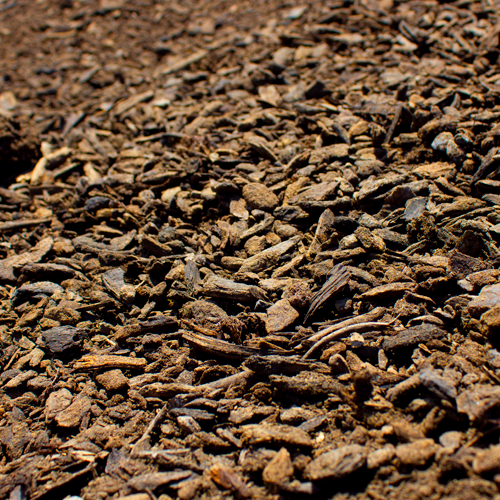
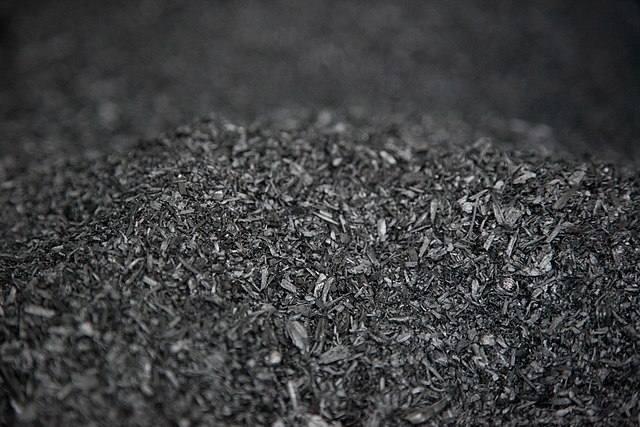
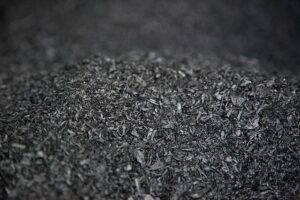
The primary allure of biochar lies in its carbon-rich nature, derived from the pyrolysis of organic materials. This process involves heating biomass—such as wood chips, agricultural residues, or even municipal waste—at high temperatures in a low-oxygen environment. The resultant char is a stable form of carbon that can persist in the soil for centuries. This persistence makes biochar a compelling asset in the fight against climate change, as it sequesters carbon that would otherwise contribute to greenhouse gas emissions. By integrating biochar into greenhouse soil systems, growers not only enhance their soil’s attributes but also engage in an environmentally conscious practice that may mitigate carbon footprints.
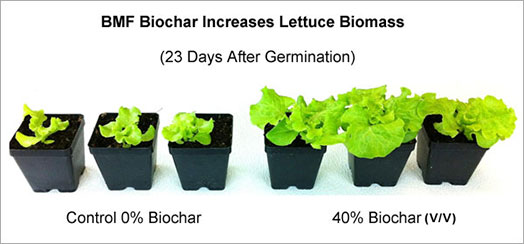
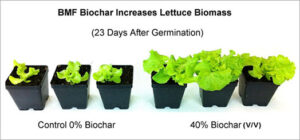
Improving soil health is perhaps biochar’s most celebrated characteristic. When incorporated into greenhouse substrates, biochar enhances soil structure, aeration, and moisture retention. This porous material creates a habitat for beneficial microorganisms, fostering a thriving microbiome critical for nutrient cycling. Enhanced microbial activity can lead to improved organic matter decomposition and nutrient availability, ultimately resulting in an abundance of bioavailable nutrients for plants. Such transformations can be particularly beneficial in the nitrous oxide-saturated atmosphere typical of many modern greenhouse environments, where synthetic fertilizers have long dominated soil amendments.
Furthermore, the surface characteristics of biochar provide a unique microenvironment conducive to the growth of mycorrhizal fungi. These fungi form symbiotic relationships with plant roots, facilitating nutrient uptake—especially phosphorus—more efficiently than plants would manage alone. In a closed greenhouse ecosystem, having a robust mycorrhizal network can significantly improve plant health, resilience, and productivity. This synergy between biochar and mycorrhizal organisms hints at a deeper biological philosophy: that nature often thrives in symbiosis, and innovative farming practices should embrace, rather than challenge, this principle.
Water management, another critical aspect of greenhouse cultivation, witnesses marked improvements through the application of biochar. Its porous structure enables enhanced water retention capabilities, helping to mitigate the risk of drought in times of water scarcity. Moreover, this feature allows excess water to drain effectively, minimizing the risk of root rot—a common affliction in the humid confines of greenhouses. Biochar thus serves as a reservoir for both retained moisture and excess drainage, ensuring a balanced water supply. In regions where water efficiency is paramount, such adaptability can mean the difference between flourishing crops and diminished yields.
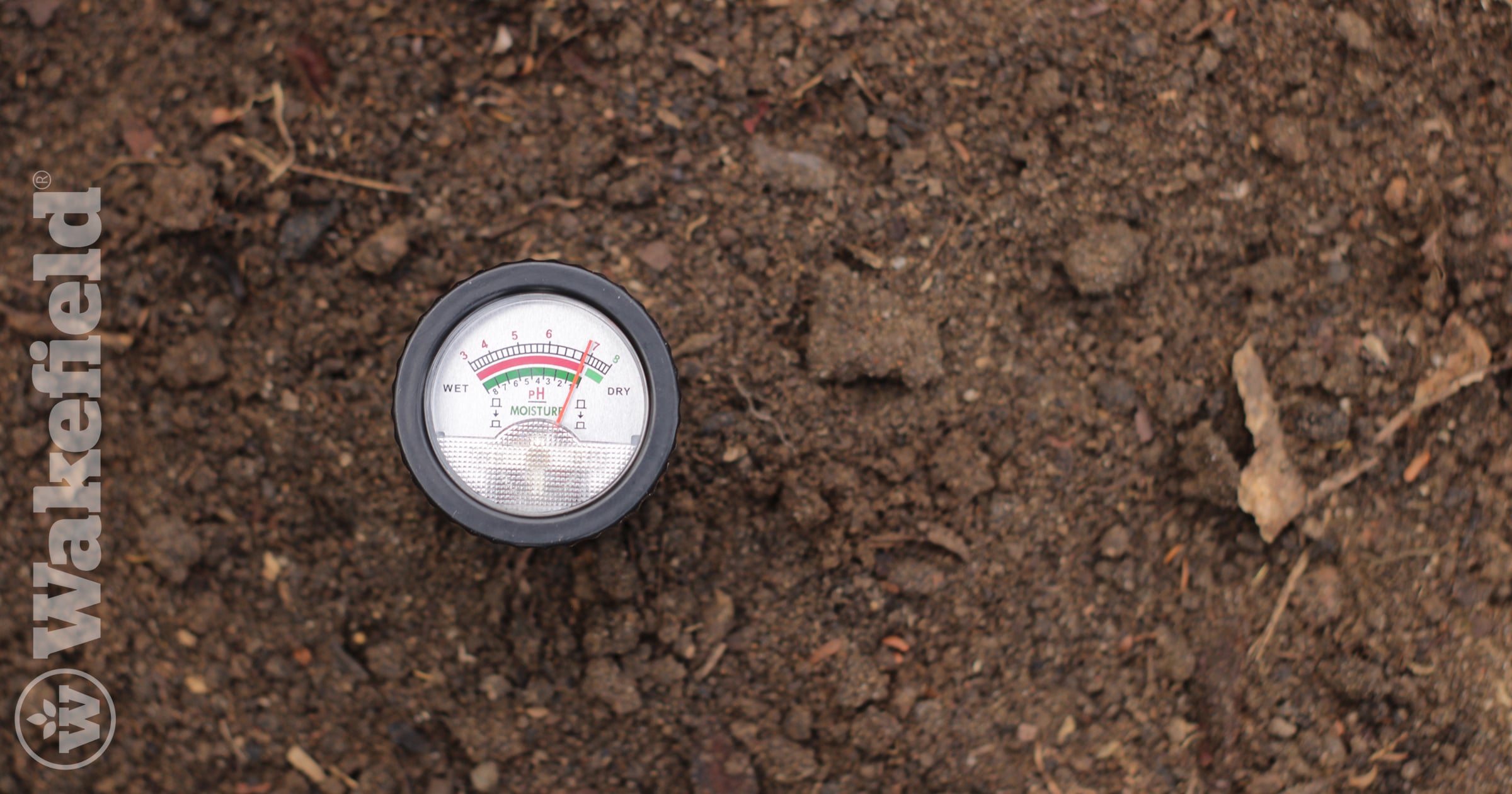
The pH-neutral nature of biochar is yet another noteworthy consideration. As many greenhouse soils grapple with acidification, particularly in high-use contexts, biochar offers an effective countermeasure. Its incorporation can help buffer soil pH levels, facilitating a more stable environment for plant roots. This stability can be instrumental in promoting healthier plant growth, reinforcing the notion that biochar serves the dual purpose of enhancing immediate soil characteristics while promoting long-term ecological equilibrium.
Unsurprisingly, the awe surrounding biochar extends beyond those fundamental benefits. Economically, implementing biochar within greenhouse operations can yield tangible savings. With the rising costs associated with synthetic fertilizers, pest management, and irrigation, a one-time investment in biochar can lower ongoing operational expenses, ultimately improving return on investment. Understanding biochar as a soil amendment reveals layers of economic rationale, reinforcing its practicality in a world increasingly dictated by resource scarcity and financial constraints.
Yet, despite its plethora of advantages, several questions linger regarding the effectiveness and appropriateness of biochar in various greenhouse conditions. Not all biochars are created equal; their properties can vary drastically depending on the feedstock used and the conditions of pyrolysis. Therefore, comprehending the sources and methods of biochar production becomes crucial for growers seeking to maximize benefits. Knowledge about how to prepare and apply biochar becomes elemental in weaving it into the fabric of effective greenhouse practices.
Another consideration involves potential contaminants in poorly produced biochar, particularly heavy metals and residual compounds from the original biomass. Conducting thorough evaluations of biochar—through both empirical testing and analytical assessments—is essential for ensuring a safe and effective application in the greenhouse context. Ultimately, the path toward harnessing biochar’s full potential is paved with rigorous testing and a commitment to quality standards that underscore the importance of responsible agricultural practices.
Incorporating biochar into greenhouse systems not only signifies a progressive leap in horticultural practices but invites a broader dialogue about sustainability in agriculture. The notion that waste can be converted into a valuable asset is emblematic of modern ecological thinking. By adopting biochar as a staple in greenhouse management, growers can lead the charge toward a more carbon-neutral future while simultaneously optimizing their horticultural endeavors. The marriage of tradition and innovation in agricultural practices provides fertile ground for exploring solutions that benefit not just individual gardens, but entire ecosystems, propelling humanity toward a renaissance of mindful cultivation.
The fascination with biochar in greenhouse use is thus far-reaching, transcending mere curiosity. It signifies a deeper quest for harmony between productivity and sustainability, where the interplay of science and nature coalesces in the soil. Through its diverse applications, biochar invites growers to rediscover the intricate relationships that govern plant health, soil vitality, and ultimately, the future of our agricultural landscapes.