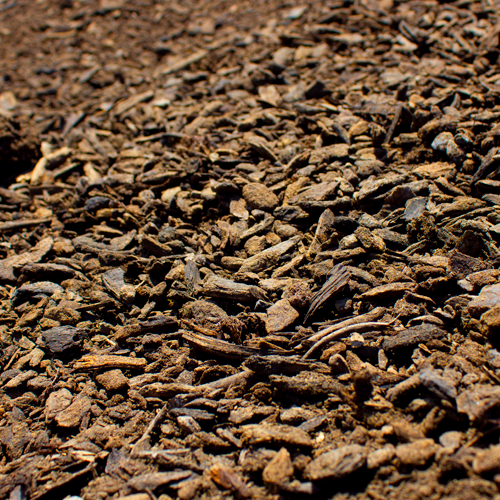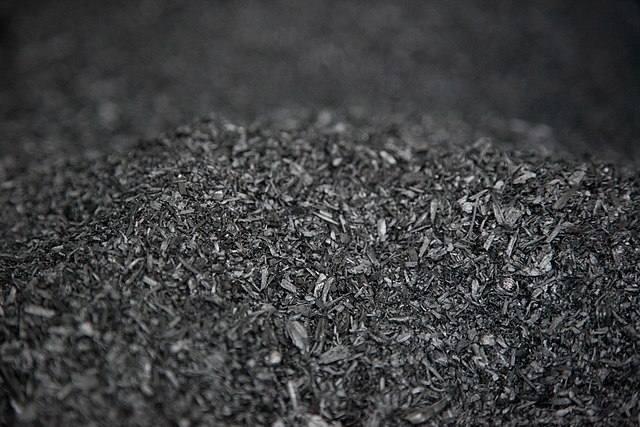
Biochar is an organic material produced through the pyrolysis of biomass, a process involving the thermal decomposition of organic material in an oxygen-limited environment. This charred substance has garnered significant attention in recent years, particularly for its purported benefits when incorporated into soil. Among these, biochar’s impact on nutrient and water retention represents a critical area of interest for both researchers and practitioners in sustainable agriculture. Understanding these effects requires a nuanced examination of the mechanisms at play and the consequent implications for soil health and agricultural productivity.
The primary appeal of biochar lies in its unique physical and chemical properties. When added to soil, biochar creates a highly porous structure that influences both nutrient availability and water retention. The porous architecture of biochar increases the surface area, which can adsorb nutrients and moisture, effectively acting as a sponge. This phenomenon is pivotal for improving soil fertility, as it enhances the soil’s capacity to hold essential elements like nitrogen, phosphorus, and potassium—key macronutrients necessary for plant growth.
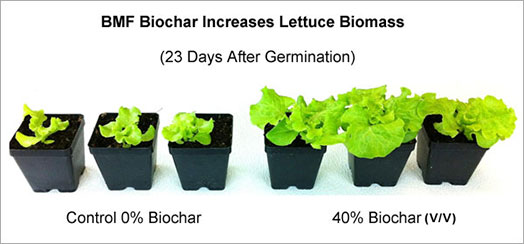
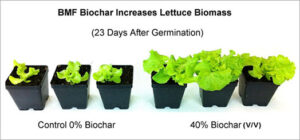
One of the most significant contributions of biochar to soil health is its effect on nutrient retention. The high cation exchange capacity (CEC) of biochar allows it to retain positively charged ions, such as calcium, magnesium, and ammonium. This retention alleviates nutrient leaching—a common problem particularly in sandy soils—which can result in the loss of vital nutrients before they are absorbed by plants. By reducing nutrient leaching, biochar ensures that nutrients remain available in the root zone for longer periods, contributing to robust plant growth and higher yields.
Additionally, biochar can alter the microbial community within the soil, further enhancing nutrient dynamics. The surfaces of biochar particles provide a habitat for beneficial microorganisms, including bacteria and fungi. These microbes play an integral role in nutrient cycling; they help decompose organic matter, fix nitrogen, and solubilize phosphorus. The presence of biochar creates a conducive environment for these microbial populations to thrive, enhancing the nutrient availability for plants and improving overall soil health.
A study might also delve into the compatibility of biochar with various soil types. Different soil textures—sandy, clayey, or loamy—can exhibit varied responses to biochar incorporation. For instance, in sandy soils, where poor nutrient and water retention is often a challenge, biochar can dramatically enhance soil structure, increasing both CEC and, consequently, nutrient retention. Conversely, in clay-rich soils, the effects might be more subtle, as these soils typically retain more nutrients and moisture naturally. Understanding these nuances can assist farmers and agronomists in making informed decisions regarding biochar application tailored to specific soil characteristics.
In terms of water retention, biochar is particularly effective in enhancing the retention capacity of soils, especially under conditions of drought or irregular irrigation. The porous nature of biochar allows it to trap water within its structure, reducing evaporation and making moisture available to plants during dry spells. This water-holding ability can mitigate the effects of climate change on crop yields, effectively buffering against periods of water scarcity. In regions facing increasing susceptibility to drought, the incorporation of biochar might offer a sustainable strategy for maintaining agricultural productivity.
Besides its functionalities within the soil ecosystem, biochar has profound implications for carbon sequestration. By effectively locking carbon within the soil structure, biochar not only improves soil health but also contributes to climate change mitigation efforts. This duality enhances its appeal, particularly for environmentally conscious agricultural practices aiming to build soil resiliency while reducing carbon footprints.
There is also a robust conversation around the optimal application rates and methods for biochar incorporation into soil. While small amounts of biochar can yield significant benefits, excessive application may lead to unintended consequences, such as alterations in soil pH or imbalances in nutrient availability. Farmers and researchers are exploring different application methods, such as mixing biochar into the soil or creating biochar-amended compost, to maximize its benefits while mitigating potential drawbacks.
Furthermore, the production of biochar itself presents considerations regarding sustainability and resource management. Utilizing agricultural waste, forestry residues, or other biomass sources for biochar production can close nutrient cycles and contribute to waste reduction efforts. This holistic approach aligns with principles of circular economy and sustainable land management, allowing for synergistic relationships between soil health, biomass utilization, and agricultural productivity.
In summary, the interplay between biochar, nutrient retention, and water management reveals a tapestry of ecological benefits that extends beyond mere crop yield improvements. Scientists, agronomists, and farmers alike must continue to investigate the myriad interactions at play, examining critical variables such as soil type, local climate, and crop variety. The multidimensional benefits of biochar incorporate not only agronomic perspectives but also ecological and socio-economic considerations. Incorporating biochar into agricultural practices may offer a viable pathway towards enhancing the resilience and sustainability of our food systems in an era of environmental challenges.
In conclusion, the journey to understand biochar’s role in modulating soil properties continues to unfold, presenting exciting opportunities for innovation in sustainable agriculture. By enhancing nutrient and water retention, biochar not only fosters healthier soils and robust crops but also presents a key strategy for addressing some of the most pressing challenges in agriculture today. As research progresses, the refined applications of biochar could indeed herald a new era of sustainable farming practices capable of thriving in a changing climate.