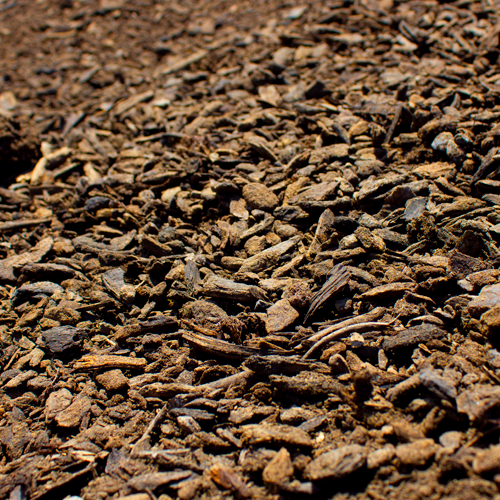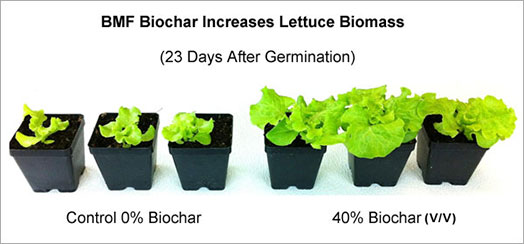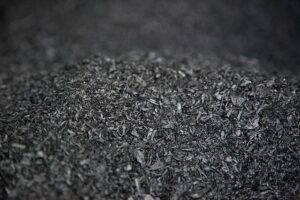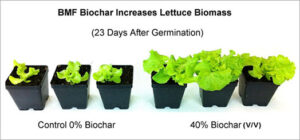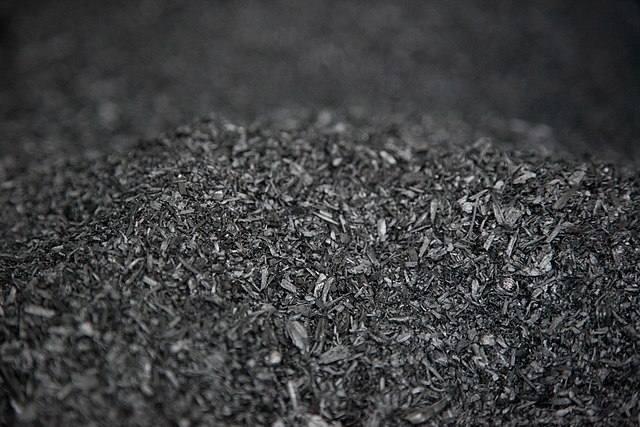
In the grand tapestry of nature, where the intricate dance between life and death perpetuates harmony, biochar emerges as a vital thread, weaving its narrative of renewal into the fabric of soil health. Picture the soil as a living organism, a robust entity reliant upon an array of nutrients, hydration, and organic matter that collectively foster its vitality. Biochar, that enigmatic carbon-rich substance derived from the pyrolysis of organic materials, serves as a catalyst, augmenting this organic matter while rejuvenating the earth beneath our feet.
Biochar is often likened to a sponge, its porous structure soaking up nutrients and moisture alike. This absorbent quality transforms it into a reservoir for the life-giving elements that plants crave. Imagine a parched traveler in a sun-drenched desert; the sight of an oasis brings both hope and sustenance. Similarly, biochar replenishes soil, offering plants the enduring resources they need to flourish under various environmental stresses. With its incredible capacity to retain water, biochar not only mitigates the effects of drought but also helps maintain a consistently moist environment, allowing roots to breathe and extend in search of nutrients.
In the realm of soil microbiology, biochar plays an equally compelling role. It acts as a nurturing home for diverse microbial communities. Just as a healthy ecosystem brims with myriad life forms, so too does biochar harbor bacteria and fungi that cultivate symbiotic relationships with plant roots. As these microorganisms flourish, they enhance nutrient cycling, breaking down organic matter and making vital nutrients available for absorption. In this way, biochar is not merely a passive ingredient; it is a maestro, conducting a symphony of life beneath the surface.
The benefits of biochar extend beyond its utility. It serves as a profound archetype of sustainability, embodying the principles of circular economy. As it is produced from biomass—waste materials such as agricultural residues, forestry by-products, or even organic waste—biochar embodies the idea of turning trash into treasure. This transformation of waste not only contributes to soil improvement but also sequesters carbon, mitigating the pressing challenges of climate change. The concept of fixing carbon in the soil resonates like a harmonious note, echoing through the collective consciousness of environmental stewardship.
When integrated into agricultural practices, biochar exemplifies both innovation and tradition. It reverberates with the wisdom of ancient cultures who recognized the value of charcoal in soil enhancement, leading to the creation of the famed Terra Preta in the Amazon rainforest. These indigenous methods showcase a profound understanding of ecological interconnectedness, where waste materials, once vilified, are valorized as resources. This ancient lineage, combined with modern advancements in pyrolysis technology, ignites a renewed interest in biochar as a sustainable agricultural input, promising to bolster food security in a world fraught with uncertainties.
Employing biochar is not equivalent to merely sprinkling a magical dust. It requires a nuanced approach, an understanding that to achieve optimal results, one must account for soil types, local microorganisms, and specific crop needs. Biochar is not a silver bullet but a vital component of a holistic soil management strategy. Its effects are enhanced when partnered with other organic amendments—compost, manure, or green cover crops—to create a synergistic effect that elevates soil fertility to new heights.
The very essence of biophilia, our inherent connection to nature, comes alive through the utilization of biochar in gardening and farming. As we dig our hands into the soil, the tactile sensation sends a reverberating message to our senses—a reminder that we are part of something larger. The act of nurturing living soil translates to more than just growing food; it manifests as an ethical obligation to care for our environment and the ecosystems that sustain us.
Furthermore, the presence of biochar in composting systems fosters elevated temperatures, which can efficiently break down organic matter and pathogens alike. This process transforms compost into a potent elixir, brimming with nutrients that can invigorate plants. The added dimension of biochar’s ability to absorb nutrients means that fewer amendments are needed over time, making it a cost-effective ally for the conscientious gardener.
The beauty of biochar is that it invites curiosity and experimentation. Home gardeners can blend it with potting soil to enhance moisture retention in containers, while larger-scale farmers can strategize its application across fields to support sustainable agronomy. Each step taken in the adoption of biochar is, in essence, a step toward cultivating an ecological resilience that transcends generations.
In conclusion, as biochar continues its reconciliation with our agricultural practices, it fosters the emergence of soil vitality that can reflect the intricacies of life itself. It stands as a beacon of hope—an enchanting symbiosis between ancient wisdom and contemporary challenges. With the keenness to reflect upon and adapt our practices, the kaleidoscopic benefits of biochar not only promise an invigorated soil structure and composition but also a united front against the impending crises that loom over civilization. Through nurturing the earth with biochar, we sow the seeds of a more resilient future, where soil and humanity flourish together.