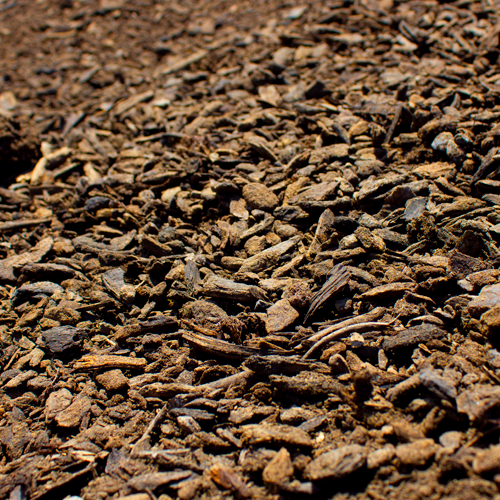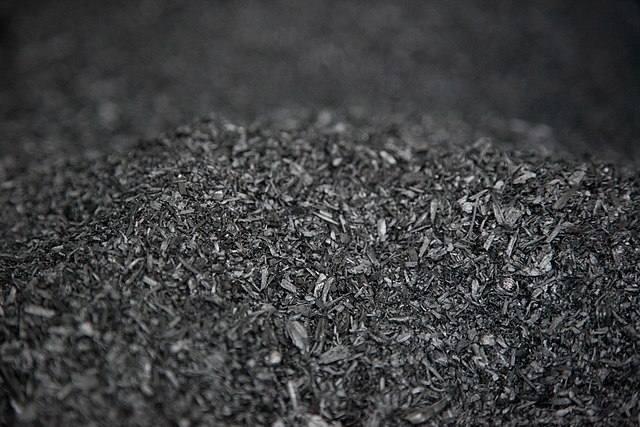
In the realm of climate change mitigation, the urgency of solutions cannot be overstated. Among the myriad of options at our disposal, biochar emerges as a remarkably potent ally. Derived from organic materials through pyrolysis, biochar is imbued with the capacity to sequester carbon while simultaneously enhancing soil fertility. Its allure lies not just in its chemical attributes but also in its multifaceted applications, bridging agricultural productivity with ecological stability.
The interplay between carbon emissions and climate change is well-documented. As fossil fuel consumption escalates and deforestation persists, the atmospheric concentration of carbon dioxide reaches alarming levels. This phenomenon catalyzes adverse climatic shifts, from extreme weather events to rising sea levels. Therefore, the prospect of effectively withdrawing carbon from the atmosphere is not merely an ecological fantasy; rather, it is a crucial necessity. Biochar, with its unique properties, provides a tangible means to achieve this.
One of the primary mechanisms through which biochar contributes to carbon sequestration is its enduring stability in the soil. Unlike conventional organic matter, which may decompose within months or years, biochar is resilient and can remain in soil for centuries. Research indicates that biochar can store carbon at rates surpassing those of traditional organic amendments, essentially locking away carbon that would otherwise contribute to atmospheric greenhouse gases. This extended permanence is vital, as it converts a fleeting, atmospheric problem into a more manageable, terrestrial solution.
Moreover, the production of biochar presents an opportunity to repurpose agricultural and forestry residues, thus creating a circular economy. Traditional waste management often results in the burning of biomass, releasing carbon dioxide and other problematic pollutants into the air. However, when transformed into biochar, these same materials serve a dual purpose: mitigating carbon release while enriching soil health. This innovative re-utilization is a prime example of reducing waste while enhancing the earth’s resources, a principle deeply embedded in sustainability models.
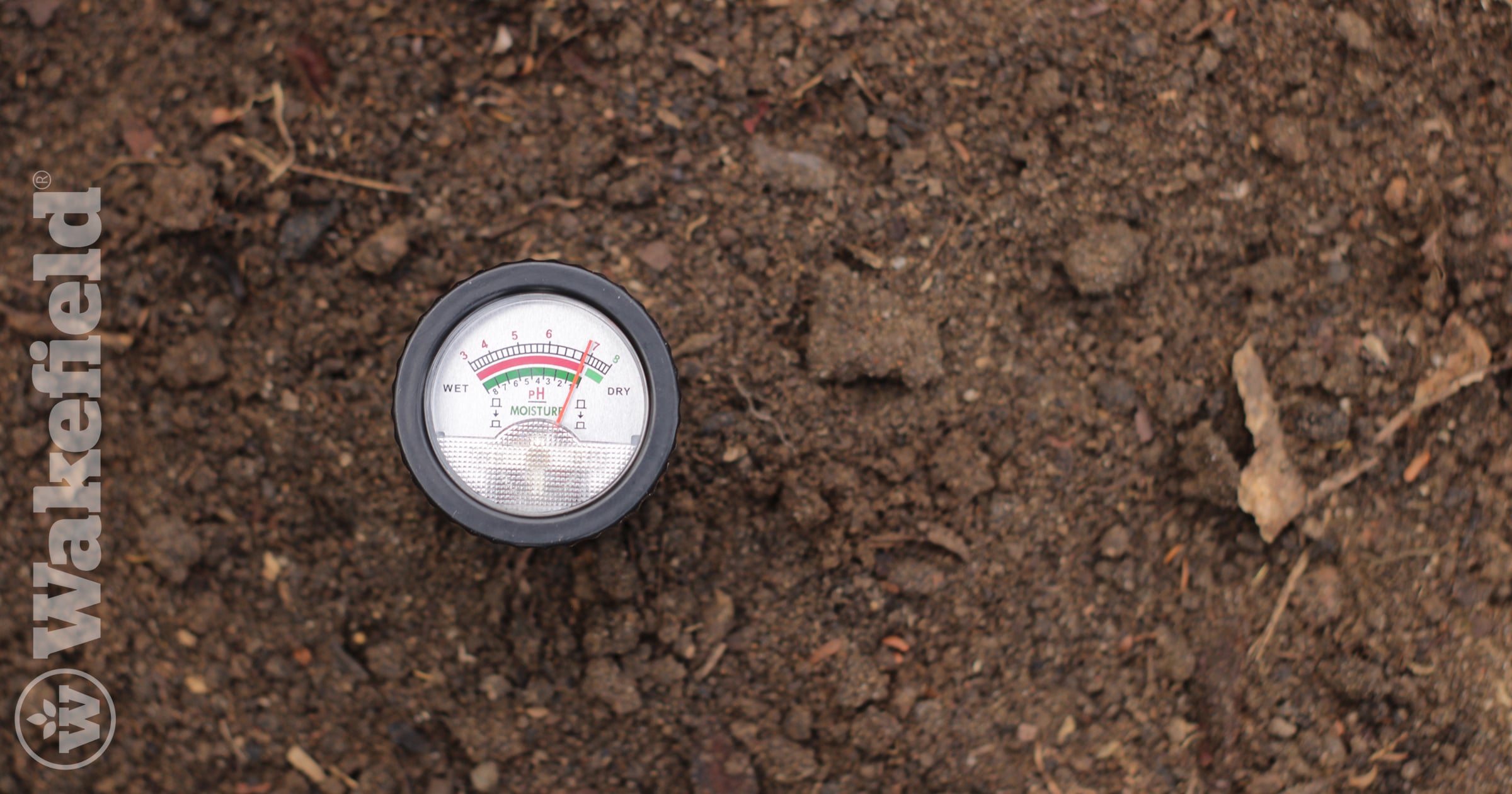
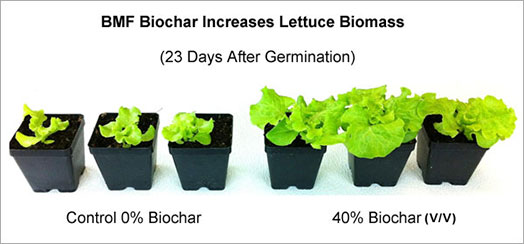
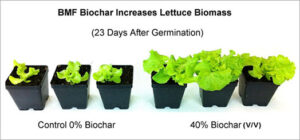
Another dimension to biochar’s effectiveness is its ability to improve soil properties. Biochar amendments increase soil pH, improve moisture retention, and enhance nutrient availability. The porous structure of biochar acts as a habitat for beneficial microorganisms, fostering a thriving ecosystem that can lead to improved crop yields. This enhancement of soil health not only supports agricultural productivity but also builds resilience against climate impacts, such as droughts or heavy rainfalls, that are becoming increasingly common in a warming world.
The benefits do not end there; biochar’s presence in soil can significantly mitigate the leaching of nutrients. Traditional fertilizers, when dissolved through rainfall or irrigation, risk contaminating water bodies and degrading water quality. Biochar, with its adsorption properties, captures these nutrients and releases them slowly, minimizing runoff and ecosphere damage. This quality speaks volumes about biochar’s dual capability of fostering both agricultural prosperity and environmental stewardship, proving that farming practices can indeed evolve towards sustainability.
Researchers have begun to explore how enhanced biochar application might aid in carbon trading schemes. By optimizing biochar’s integration into existing agricultural policies, farmers could potentially benefit financially while contributing to climate change mitigation. This interplay between economy and climate action underscores a critical argument for the adoption of biochar: addressing climate change does not have to come at the expense of economic viability—for farmers or for society.
Furthermore, the diverse applications of biochar extend beyond agriculture into sectors such as waste management and energy production. The process of pyrolysis—the production of biochar—yields bio-oils and syngas, which can serve as renewable energy sources. This convergence of energy production and carbon storage presents a holistic approach to addressing climate change, ensuring that solutions are not isolated but rather integrated into a comprehensive framework for sustainability.
Noteworthy is the role of biochar in urban settings. Urbanization often leads to dense concentrations of carbon emissions from transportation and industry. By converting urban waste streams into biochar, cities can turn liability into asset, capturing carbon from municipal waste and enriching urban soils, parks, and green roofs. Such practices illuminate a pathway for cities to not only combat climate change but also improve urban ecology and resilience.
Nonetheless, the widespread adoption of biochar requires ongoing research to address certain challenges. Factors such as feedstock selection, pyrolysis conditions, and application methods must be meticulously studied to optimize biochar’s benefits. Moreover, public awareness and policy frameworks must evolve to facilitate greater acceptance and implementation of biochar technologies. Investment in scientific inquiry is central to navigating potential pitfalls and clarifying the multifarious benefits that biochar offers.
In summary, biochar stands as a beacon of hope in the fight against climate change, showcasing an elegant solution that intertwines carbon sequestration, enhanced agricultural productivity, and waste management. Its vast potential is illuminated by robust research and practical applications that underscore its holistic benefits. The intersection of technological innovation and ecological integrity creates an avenue toward a sustainable future. By embracing biochar, society not only addresses the pressing demands of climate change but also paves the way for a resilient and thriving planet. As we delve deeper into the science of biochar, its pivotal role in climate mitigation becomes increasingly evident, illuminating a path forward that aligns environmental stewardship with agricultural prosperity.