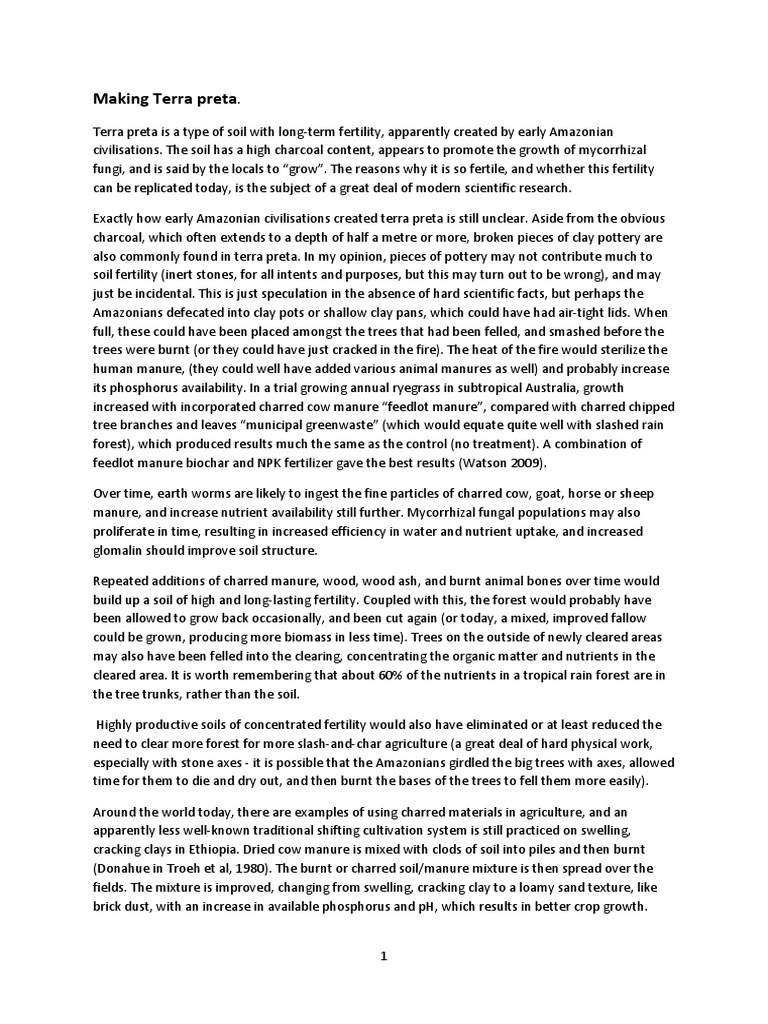
The phenomenon of Terra Preta, an ancient form of enriched dark soil, captures the imagination of scientists and farmers alike. Known for its extraordinary fertility and perceived resilience, Terra Preta has its origins deeply rooted in the Amazon Basin, where various indigenous cultures cultivated this remarkable soil through innovative practices. To understand how Terra Preta is made, we will delve into the ancient techniques employed by civilizations long past, unraveling the recipe that creates this soil wonder.
1. Understanding the Ingredients of Terra Preta
At its core, Terra Preta is a confluence of organic matter, charcoal (known as biochar), and nutrients. However, the alchemy of creating this soil type involves a deliberately crafted combination of materials that promote biodiversity and enhance soil quality. The vital ingredients include:
- Organic Waste: The decomposition of plant materials such as leaves, twigs, and crop residues serves as the foundational organic matter.
- Charcoal: The addition of charcoal, a byproduct of ancient pyrolitic practices, plays a crucial role in enhancing soil structure and water retention capacity.
- Animal Manure: Manure from livestock provides essential nutrients, hastening the nutrient exchange processes critical for plant growth.
- Bone Meal: Ground bone adds phosphorus, a cornerstone nutrient vital for root development and flowering.
- Fish Remains: Leftover fish scraps not only enrich the soil with nitrogen but also contribute essential micronutrients.
Collectively, these components create a dynamic, nutrient-rich substrate capable of sustaining agriculture over long periods.
2. Historical Context: The Origins of Terra Preta
Excavating the history of Terra Preta, we find artifacts dating back over 2,500 years. Early Amazonians employed post-harvest practices that utilized slash-and-burn techniques to clear land for agriculture. Instead of leaving the remnants to decay or be consumed by fire, they incorporated waste materials into the soil. This heightened the fertility of their fields while also sequestering carbon in the process, thus enhancing the soil texture and biological activity.
Archaeologists have learned that the indigenous people displayed an understanding of soil chemistry long before modern agricultural practices emerged. They favorably manipulated soil ecosystems by creating localized composting environments, which nurtured microbial life and made nutrients available to plants.
3. The Biochar Connection
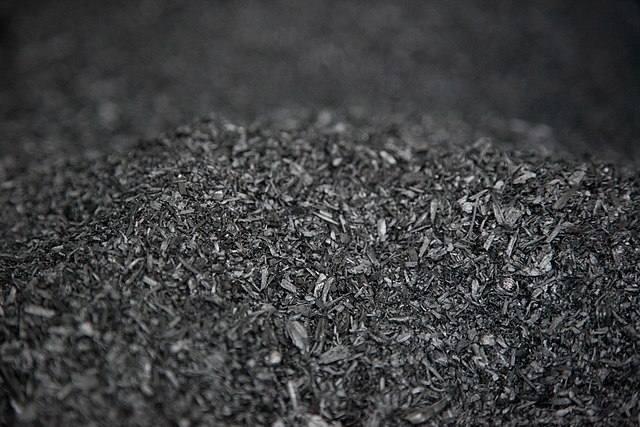
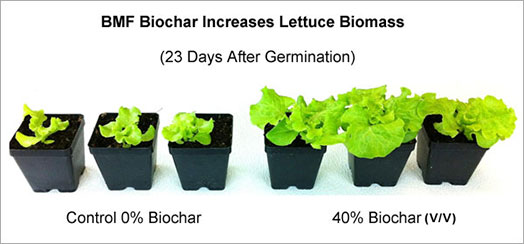
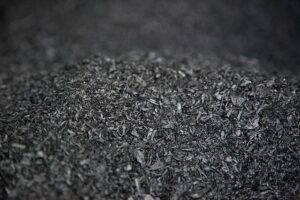
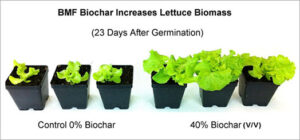
Biochar, the activated charcoal produced from pyrolysis, emerged as a pivotal element in Terra Preta’s formulation. The process involves burning organic material in a low-oxygen environment, leading to a stable form of carbon that resists decay. This remarkable substance retains moisture, improves soil aeration, and enhances nutrient absorption through its porous structure.
The production of biochar can be achieved through various methods, including traditional earth mounds, more advanced kilns, or even modern gasification systems. The choice of procedure influences the biochar’s properties, with some methods producing a product rich in nutrients while others focus on maximizing soil fertility enhancement.
4. Composting Techniques and Fermentation
A vital component in generating Terra Preta is composting, a process that creates a diverse microbial community necessary for nutrient cycling. Successful composting involves managing carbon to nitrogen (C:N) ratios to ensure the efficient breakdown of organic materials. Traditionally, indigenous populations would layer ingredients thoughtfully to foster optimal decomposition. They employed fermentation techniques to jumpstart breakdown processes, utilizing materials that could attract beneficial microbes.
This practice demonstrates a profound understanding of ecological relationships—the interdependence among organisms, which ensures that nutrients are recycled and that the soil remains robust.
5. Soil Management Techniques: Beyond Biochar and Compost
Beyond the essentials of biochar and compost, other soil management techniques contribute significantly to the formation of Terra Preta. Crop rotation, cover cropping, and intercropping are additional strategies employed to enhance soil health and biodiversity.
These methods reduce soil erosion, mitigate pest populations, and foster a balanced ecosystem where plants share nutrients with one another. By carefully managing which crops grow together, ancient farmers could optimize soil inputs, thereby ensuring sustainable outputs across seasons. This notion of symbiosis carries weight even today, especially concerning regenerative practices in modern agriculture.
6. Modern Applications of Terra Preta Techniques
The allure of Terra Preta has transcended its historical roots, prompting a renaissance in modern agricultural practices. Permaculture advocates, organic farmers, and soil scientists are actively researching ancient techniques, integrating them into contemporary sustainable farming systems. The rising interest in biochar has positioned it as a central topic of discussion in ecological agriculture circles worldwide.
Given the imminent threats of climate change and declining soil health, Terra Preta’s principles of carbon sequestration provide a beacon of hope for creating resilient agricultural landscapes. By studying traditional practices, modern agriculture can foster soil regeneration, aiming to restore the delicate balance between anthropogenic influences and natural ecosystems.
7. Conclusion: The Wisdom of the Ancients
The making of Terra Preta elucidates not just a method of soil enrichment but embodies a holistic understanding of ecology that draws lessons from the past. The intricate blend of organic materials, biochar, and ancient fermentation techniques fosters an environment where soil thrives, nurturing generations of crops along the way. As we confront contemporary agricultural challenges, the timeless wisdom encapsulated within Terra Preta’s recipe stands as a testament to nature’s potential—a potential that awaits exploration and recommitment in our ongoing quest for sustainable agricultural solutions.