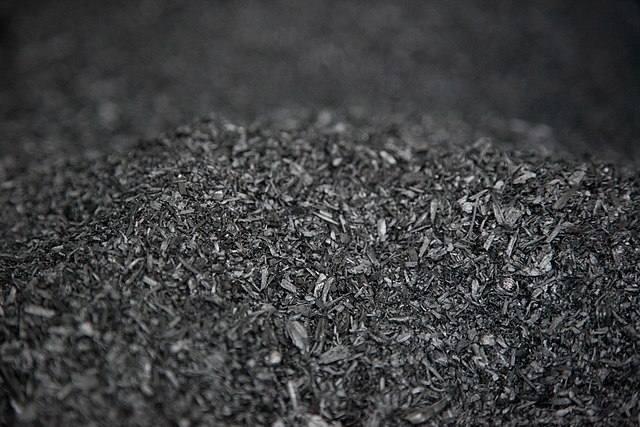
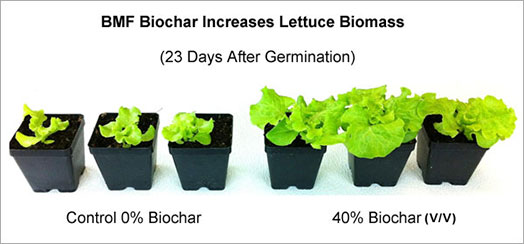
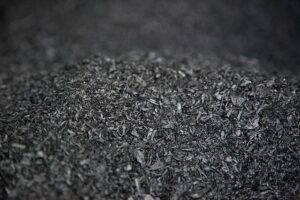
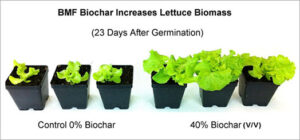
Biochar, a form of charcoal produced from organic materials, has gained traction as an innovative amendment in sustainable agriculture and composting practices. It has remarkable properties that enhance soil health, improve carbon sequestration, and promote the growth of beneficial microorganisms. One of the fundamental queries surrounding the utilization of biochar within compost systems is the time it takes for biochar to “charge” or absorb nutrients and microbial life, thereby optimizing its efficacy when introduced to soil. While the question may seem straightforward, the intricacies of biochar’s interaction with compost warrant a deeper exploration of the processes involved.
To comprehend the duration required for biochar to charge in compost, it is essential to delve into the various mechanisms at play. First and foremost, the characteristics of the biochar itself play a pivotal role. The type of feedstock used in its production—be it wood, agricultural residues, or manure—affects the chemical composition and surface area of the biochar. Higher surface area and porosity provide more sites for nutrient adsorption and microbial colonization, subsequently influencing the rate of charging.
The pyrolysis temperature during biochar production also impacts its reactivity. Biochar produced at lower temperatures tends to retain more volatile compounds that can be beneficial for microbial life, while high-temperature biochar may exhibit greater structural stability and less nutrient availability. Therefore, the interplay between feedstock and pyrolysis conditions is crucial in determining how swiftly the biochar will commence its charging process upon introduction into a compost matrix.
Once incorporated into compost, biochar interacts with dissolved organic matter, nutrients, and microorganisms. This process, often referred to as ‘charging,’ is characterized by the adsorption of essential nutrients—such as nitrogen, phosphorus, and potassium—onto the biochar’s surface. The duration for biochar to effectively charge may range from a few weeks to several months. However, various factors impact this timeframe.
Temperature is one of these factors. Composting generates heat through microbial activity, which can accelerate the charging process. Optimal thermophilic conditions—where temperatures reach between 130°F to 160°F (54°C to 71°C)—foster rapid microbial growth, thereby hastening the nutrient cycling and adsorption onto the biochar. Conversely, lower temperatures may slow the microbial metabolism and, consequently, the charging of biochar.
Moisture content in the compost is another critical aspect. Biochar inherently possesses a high absorbent capacity, allowing it to retain moisture. However, an excessive moisture level can lead to anaerobic conditions that hinder microbial activity. Maintaining a balanced moisture content promotes robust microbial activity, enhancing the charging potential of the biochar.
The C:N ratio within the compost also influences how efficiently biochar charges. Compost rich in nitrogen facilitates a favorable environment where microbes thrive. They can utilize the available nitrogen while simultaneously enriching the biochar. Biochar’s capacity to stabilize nutrients often makes it an ideal partner for nitrogen-rich materials, enabling a synergistic relationship that accelerates charging.
Moreover, the initial condition of the materials being composted can contribute to the charging process. Compost that is already teeming with diverse microorganisms may allow biochar to charge more rapidly, as beneficial bacteria and fungi can colonize its surface quickly. Conversely, a less biodiverse composting environment may prolong the time necessary for biochar to integrate effectively.
Another intriguing aspect of biochar is its potential to improve the overall composting process. By enhancing aeration and regulating moisture levels, biochar can contribute to a more efficient breakdown of organic matter. This not only enhances the nutrient profile of the compost but also significantly impacts how quickly the biochar itself can become fully charged.
In the realm of sustainable agriculture, understanding the time needed for biochar to charge in compost is paramount. Not only does it inform farmers and gardeners regarding when to expect the maximum benefit from their amendments, but it also offers insights into the broader implications of using biochar for soil health. The timeline for charging can dictate crop rotation schedules, influencing agricultural planning and management.
Many practitioners note that while an initial charging phase may be evident within weeks, the biochar continues to evolve within the compost ecosystem over months and years. This long-term interaction allows biochar to serve as a continual reservoir of nutrients, gradually releasing them as plants need them. Thus, the process does not simply end once nutrients are absorbed; rather, it transforms biochar into a dynamic component of the soil ecosystem.
Moreover, research is burgeoning on enhanced biochar products that are pre-charged with specific nutrients or microorganisms, potentially expediting the process even further. These innovations could permit farmers and gardeners to maximize efficiency right from the outset, effectively shortening the waiting period traditionally associated with biochar charging.
Understanding how long it takes for biochar to charge in compost transcends mere curiosity; it connects deeply with principles of sustainability and regenerative agriculture. It sparks a conversation about how we can utilize organic waste more wisely while fostering healthy ecosystems. As our awareness of these processes grows, so too does our ability to harness the full potential of biochar—transforming it from a simple soil amendment into a cornerstone of sustainable land management.