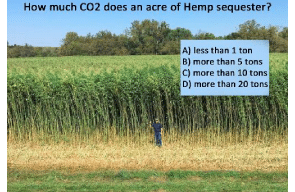
In an increasingly carbon-conscious world, the quest for sustainable solutions has never been more paramount. Among the plethora of eco-friendly alternatives, hemp emerges as a particularly fascinating contender. Not only does this versatile plant yield a plethora of products, but it also plays a significant role in carbon sequestration, a process that captures and stores atmospheric carbon dioxide (CO₂). So, how much CO₂ does an acre of hemp sequester? The answer is complex, multifaceted, and layered with implications for agriculture, industry, and climate science.
The fundamental principle behind hemp’s carbon sequestration capabilities lies in its rapid growth rate and robust biomass production. The typical hemp plant can reach around 6 to 14 feet in height within a mere four months. Given its vigorous growth pattern, hemp absorbs CO₂ at an astonishing rate during its lifecycle. Research suggests that one acre of hemp can sequester approximately 8,000 to 15,000 pounds of CO₂ per year. This staggering range highlights the plant’s efficiency in offsetting carbon emissions.
To delve into the numbers more comprehensively, let’s break down the sequestering process. When planting hemp, growers engage in a relatively low-impact cultivation routine. Hemp requires fewer pesticides and herbicides compared to many traditional crops, thus minimizing synthetic inputs that contribute to greenhouse gas emissions. During photosynthesis, hemp utilizes sunlight to convert CO₂ from the atmosphere into biomass—primarily stalks, leaves, and flowers—while releasing oxygen as a byproduct. This natural process is not only fundamental to plant life but also serves as a catalyst for climate balance.
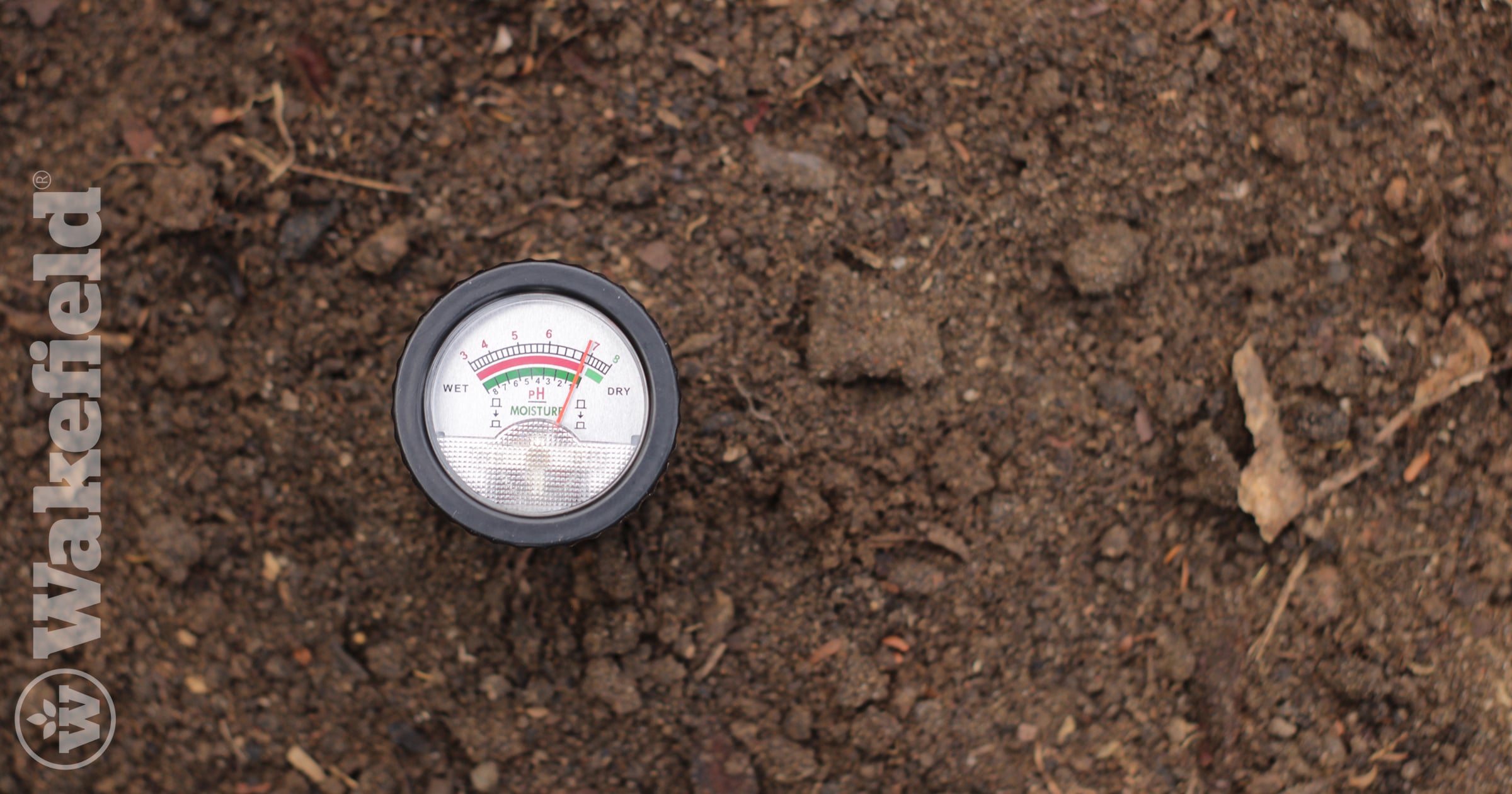
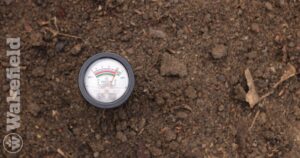
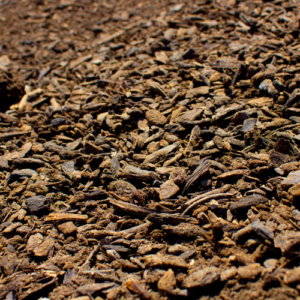
Moreover, the type of soil in which hemp is grown plays a pivotal role in its carbon sequestration potential. Healthy, well-aerated soil teeming with microorganisms can enhance the plant’s ability to store carbon. The roots of the hemp plant penetrate the soil deeply, fostering a network that can capture and retain even more carbon over time. This interaction between biology and geology emphasizes the interconnectedness of ecosystems and underscores the importance of soil health management in maximizing carbon sequestration.
Yet, the narrative does not conclude with mere numbers. The cultivation of hemp for carbon sequestration opens an avenue for addressing a broader environmental concern: deforestation. As forests are cleared at alarming rates for agriculture and urban development, many carbon sinks are diminished. Hemp, due to its rapid growth and dual utility as a crop, can help alleviate pressures on forests. By promoting commercial hemp cultivation, farmers can not only reap economic benefits but also participate in a larger movement to protect existing forest ecosystems.
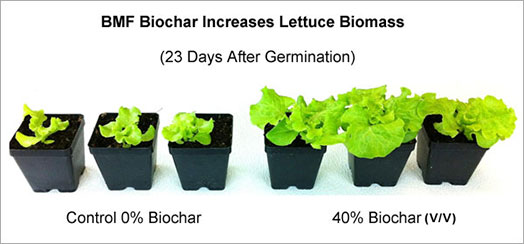
Further, it’s essential to examine the other benefits that come from cultivating hemp. Not only does it sequester carbon, but it also contributes to soil health through practices such as crop rotation and cover cropping. By planting hemp, farmers can mitigate soil erosion and improve soil structure, which enhances the land’s long-term viability. Thus, hemp does not merely capture CO₂; it enriches the land for future generations.
Despite these advantages, challenges persist. The market for hemp is still establishing its frameworks and pathways for growth. Regulatory concerns, price volatility, and the need for consumer education remain significant hurdles. As industries innovate and technological advancements are made, the potential for hemp to be seen as a cornerstone of sustainable practices may increase. Innovations in processing and product development could solidify its role in a more extensive carbon capture strategy.
Beyond agricultural implications, the economic ramifications of hemp’s carbon sequestration capabilities warrant attention. The advent of carbon credits, a system that rewards businesses for reducing their carbon footprint, opens doors for farmers. By cultivating hemp, not only can they contribute positively to the environment, but they can also harvest financial benefits through carbon credit trading. This symbiotic relationship between the economy and ecology is an invaluable aspect of modern agriculture.
Moreover, the fascination with the carbon absorbing capabilities of hemp extends into its myriad uses. From textiles to biodegradable plastics, the applications of hemp-derived products are extensive. Hemp produces fibers that can replace synthetic materials in clothing and packaging, significantly reducing the lifecycle carbon footprint associated with these products. The transition to hemp is a step toward a circular economy, where waste is minimized, and resource utilization is maximized.
In wrapping up this discourse, the question of how much CO₂ an acre of hemp sequesters encapsulates more than just figures. It embodies the potential of a plant to transform agricultural practices, counteract climate change, and stimulate economic growth. As attention shifts toward sustainable solutions in a world wrestling with climate instability, hemp stands poised as a resourceful ally. The deeper implications of its cultivation suggest an exciting future where environmental health and economic viability are harmonious allies, paving the way for a greener planet.
In conclusion, hemp’s role in carbon sequestration may be one of many pieces in the intricate puzzle of climate sustainability. However, its efficiency and versatility make it a captivating subject of study and implementation. As we continue to explore the myriad dimensions of hemp, its promise as a solution for sequestering CO₂ serves as a strong reminder of nature’s capacity to aid in protecting our planet.