When delving into the fascinating world of biochar, one rapidly encounters various terminologies and complex processes that might seem daunting. Among these, the concepts of particle size and porosity stand out as pivotal factors that collectively influence the efficacy of biochar in environmental and agricultural applications. Understanding how particle size shapes biochar porosity— and why this relationship matters— is essential for optimizing its use in carbon sequestration, soil enhancement, and pollution remediation.
1. Introducing Biochar: A Carbonaceous Marvel
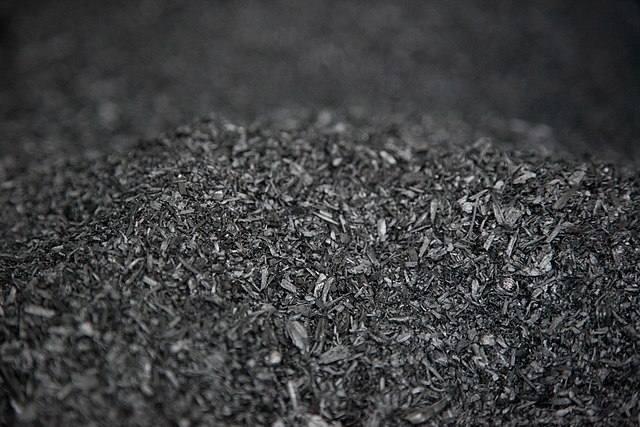
Biochar is a form of charcoal produced through pyrolysis, a process that involves heating organic material in the absence of oxygen. This carbon-rich substance is celebrated not only for its potential to sequester carbon but also for enhancing soil health. As the organic matter undergoes pyrolysis, its structure morphs, resulting in a product replete with intricate pores. These pores are fundamentally responsible for biochar’s ability to improve soil conditions, retain moisture, and host beneficial microorganisms.
2. Unveiling the Significance of Particle Size
Particle size refers to the dimensions of the biochar pieces, which can range from fine powder to large chunks. The size of biochar particles is critical in determining the specific surface area and pore structure. Smaller particles typically present a larger surface area relative to their volume, while larger particles may possess fewer pores but offer greater structural stability. Consequently, the implications of particle size on biochar’s properties are profound and merit close scrutiny.
3. The Dynamic Relationship Between Particle Size and Porosity
Porosity is defined as the measure of void spaces in a material, indicative of its capacity to hold air and water. In the context of biochar, the relationship between particle size and porosity can be somewhat counterintuitive. Smaller biochar particles often yield a higher porosity due to their increased surface area, which can enhance water retention and nutrient availability in the soil. However, excessively small particles may compact tightly, leading to reduced airflow and drainage. Conversely, larger particles may comprise fewer macropores, but they can create stable aggregates that support aeration and prevent soil erosion.
4. The Types of Porosity: A Closer Look
To understand biochar’s efficacy, one must distinguish between different types of porosity— microporosity and macroporosity. Micropores, measuring less than 2 nanometers, are instrumental in holding water and nutrients, promoting chemical reactions that benefit soil health. In contrast, macropores, larger than 50 nanometers, enhance drainage and aeration. The balance between these pore types is crucial. Smaller biochar particles tend to enhance microporosity, while larger particles often facilitate macroporosity.
5. Practical Implications for Soil and Agriculture
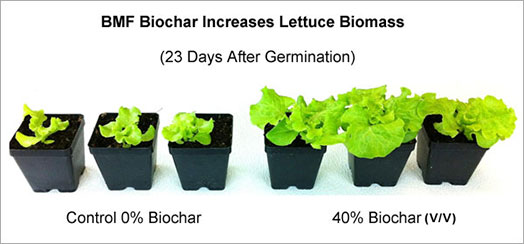
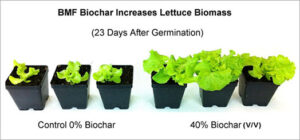
The influence of particle size and porosity on soil dynamics cannot be overstated. In agricultural settings, the selection of biochar particle size can significantly affect moisture retention rates, nutrient absorption, and even crop yields. For instance, incorporating fine biochar into the soil can enhance nutrient retention and promote microbial activity, benefiting plant growth in drought conditions. However, when dealing with heavier soils prone to compaction, larger biochar particles might be more advantageous due to their structural support.
6. Environmental Considerations: Carbon Sequestration and Beyond
Beyond agriculture, the implications of particle size and porosity extend to environmental remediation. Biochar is considered a vital player in carbon sequestration strategies, capable of storing carbon for hundreds to thousands of years. Here, the porosity of biochar enables it to function as a stable carbon sink. Smaller particles—due to their high surface area—can adsorb more contaminants, thereby improving water quality in polluted environments. Furthermore, the porous nature of biochar facilitates the adsorption of heavy metals and other harmful compounds, making it an effective tool for soil and water remediation.
7. Selecting the Right Biochar for Specific Applications
Given the diverse applications of biochar, selecting the appropriate particle size is integral to achieving desired outcomes. For agricultural usage aimed at enhancing soil fertility, finer biochar may be favored. In contrast, applications targeting drainage improvement or erosion control may opt for coarser materials. An optimal biochar blend could also be considered—combining various particle sizes to balance both microporosity and macroporosity, thereby fostering a conducive environment for soil microbial communities.
8. Conclusion: A Multi-Faceted Approach to Biochar Utilization
In conclusion, the relationship between particle size and biochar porosity is a cornerstone of biochar research and application. Understanding how these factors intertwine allows for more informed decisions regarding biochar use in various environmental and agricultural contexts. As researchers continue to explore the impacts of biochar on soil health and carbon cycling, the crucial interplay between particle size and porosity will undoubtedly shape future innovations in sustainable practices and technologies. A multi-faceted approach—one that appreciates the nuances of biochar’s physical characteristics—will be essential for harnessing its full potential.