In the intricate tapestry of soil health, biochar weaves a thread that connects ancient agricultural wisdom with contemporary scientific inquiry. Like an elusive alchemist, biochar transforms not just the material realm of soil but also the very essence of how we understand carbon sequestration and climate resilience. As the world grapples with the pressing issues of climate change and soil degradation, biochar emerges as both a remedy and a riddle, beckoning us to explore its long-term impacts on soil organic carbon.
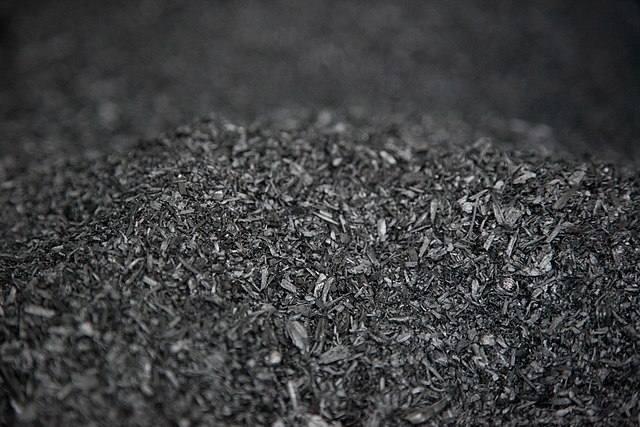
The paradox of biochar lies in its stability. Created through the pyrolysis of organic materials, biochar retains the structural integrity of carbon in a manner that is profoundly different from its parent biomass. Consider it akin to a time capsule, encapsulating the remnants of nature while preserving them in a form that remains accessible for centuries. This longevity raises a crucial question: how stable is biochar, and what are its implications for soil organic carbon storage over extended periods?
First, let us delve into the characteristics that define the stability of biochar. Biochar is comprised primarily of carbon, which is chemically transformed during the pyrolysis process. This transformation fortifies the carbon against microbial decomposition, rendering it more resistant than the original organic matter. The aromatic structures formed during pyrolysis are like fortresses, protecting the carbon from being easily broken down by soil microorganisms. This structural stability of biochar ensures that a significant portion of its carbon remains sequestered in the soil long after its application.
Moreover, the age and feedstock of biochar influence its stability. Different materials yield biochar of varying properties, leading to different rates of carbon degradation. For instance, biochar produced from hardwoods typically exhibits a higher degree of stability compared to that derived from softwoods or agricultural residues. This variation is an essential consideration for practitioners seeking to maximize the benefits of biochar. By selecting the appropriate feedstock, one can tailor the characteristics of biochar to enhance its long-term effects on soil organic carbon storage.
In the grand symphony of soil ecosystem interactions, biochar acts as an orchestral conductor, harmonizing the relationship between soil, microorganisms, and organic carbon. The addition of biochar not only stabilizes carbon but also enhances nutrient retention and improves soil structure. This synergy creates an ideal environment for beneficial microorganisms, fostering their growth and, in turn, increasing organic carbon inputs from various biological processes. Thus, biochar not only preserves carbon but actively contributes to its accumulation in the soil through enhanced microbial activity.
As we navigate the labyrinth of biochar’s effects, it’s essential to acknowledge the concept of soil organic carbon (SOC) as a dynamic entity. SOC is both a product of organic matter input and a target of microbial breakdown. The delicate equilibrium between these two processes, influenced by biochar, can significantly alter the long-term carbon dynamics within the soil. Biochar mitigates emissions of greenhouse gases like carbon dioxide and methane, further enhancing its role as a carbon sink. In this sense, biochar does not merely serve as a passive player; it is an active participant in the soil’s biochemical conversations.
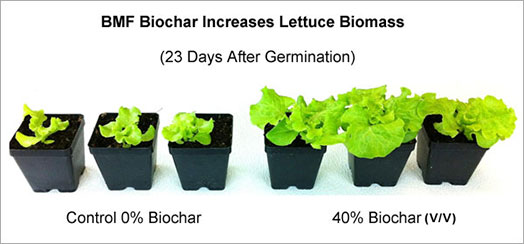
Contrary to the ephemeral nature of traditional organic amendments, biochar’s enduring presence is a boon to sustainable agriculture. Its longevity in the soil can alleviate the frequent need for fertilizers, reducing agricultural inputs that frequently degrade soil health. The slow and steady release of nutrients from biochar renders it a reliable companion for soil health, harnessing time rather than succumbing to the pressures of immediacy. Imagine a wise sage, offering its wisdom over generations while patiently enriching the surrounding landscape.
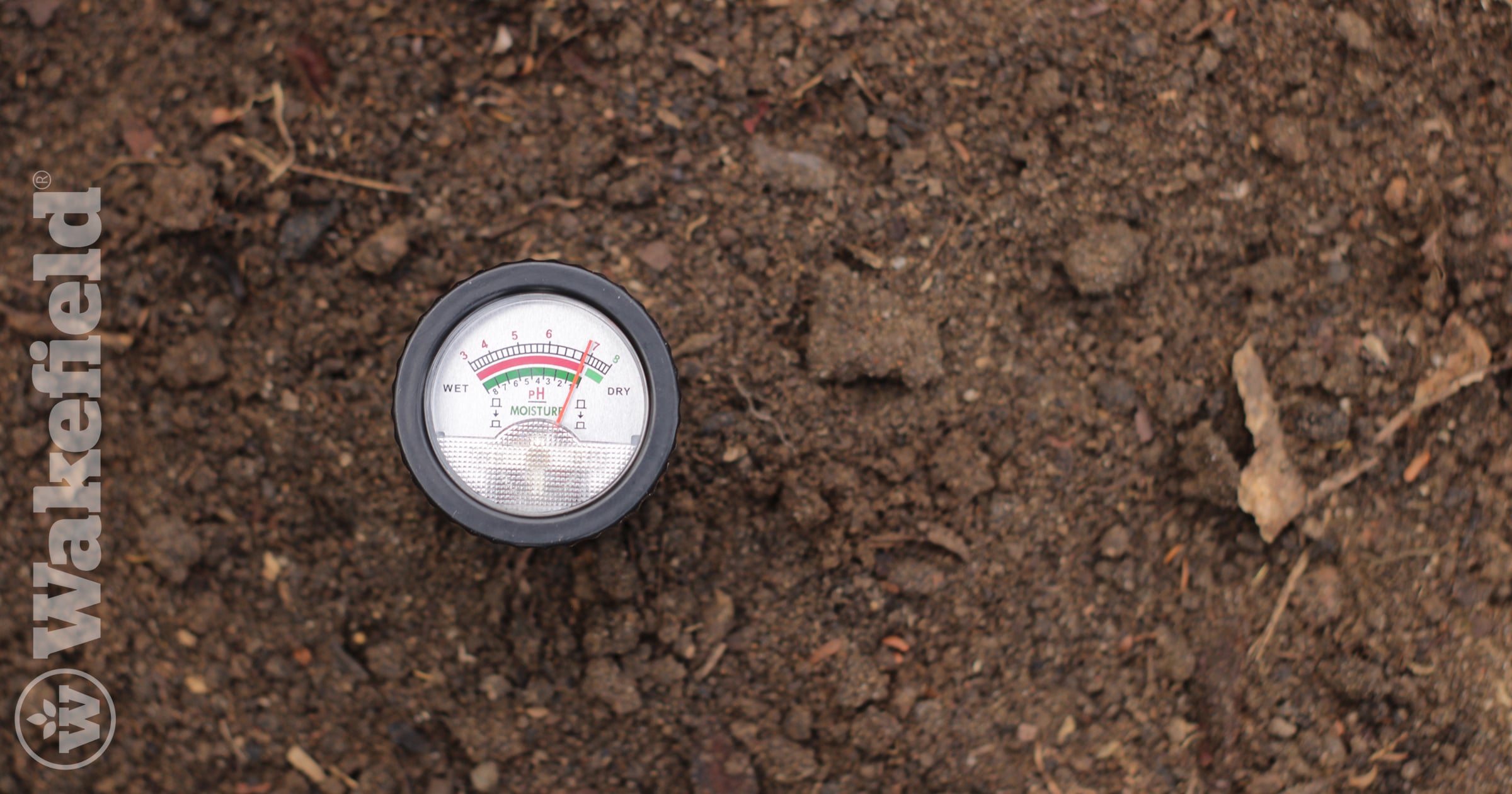
However, the stability of biochar is not without caveats. The soil environment into which biochar is introduced dramatically influences its efficacy and retention. Factors such as soil texture, pH, moisture levels, and the presence of competing organic matter all play a role in determining how biochar functions within the soil matrix. Hence, understanding the context in which biochar is deployed is paramount. For a farmer, this means recognizing that the path to a flourishing future is paved with the wisdom of both historical practices and contemporary data.
Furthermore, continuous examination of biochar’s impact is crucial. While studies have demonstrated its substantial benefits, the complexity of soil ecosystems means that responses can vary widely based on geographical and climatic contexts. The interplay between biochar and diverse soil microbiomes remains an arena rich for exploration. Each soil, much like each community, has its unique rhythm, and biochar must be attuned to that dance. Environmental conditions will dictate the stability and efficacy of biochar, creating a landscape full of potential yet demanding investigation.
As we stand at the crossroads of agriculture and environmental stewardship, biochar represents a beacon of hope. Its ability to store carbon long-term while simultaneously nurturing soil life encapsulates the very ethos of sustainability. Yet, as with all powerful tools, it requires thoughtful application and ongoing research to unlock its full potential. Biochar, with its myriad outcomes, serves as a reminder that in the complexities of the natural world, stability and change can coexist, leading us toward a more sustainable future. Thus, the inquiry into the stability of biochar is not merely an academic pursuit; it is a quest for understanding how we can harmoniously coexist within the intricate web of life, enriching our soils today for a bountiful tomorrow.