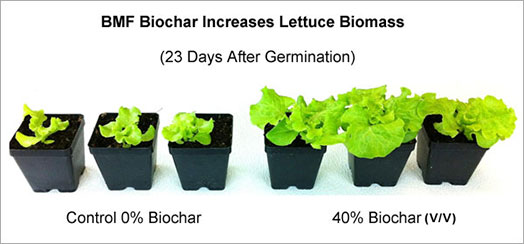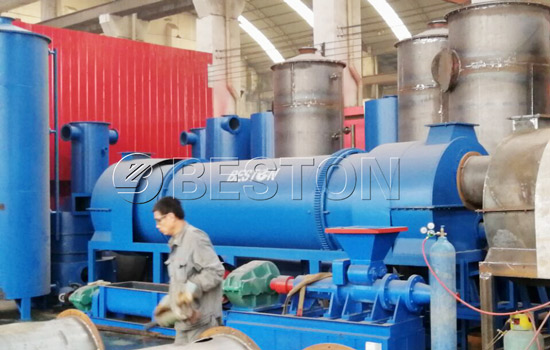
Biochar production has gained traction as an environmentally friendly practice, offering numerous ecological benefits such as enhanced soil fertility and carbon sequestration. As this sustainable technology becomes more mainstream, the interest in biochar machines is likely to grow. However, navigating the market to find a biochar machine at a reasonable price can be daunting. This guide delineates essential strategies for acquiring a biochar machine, ensuring quality without succumbing to exorbitant costs.
Understanding Biochar Machines
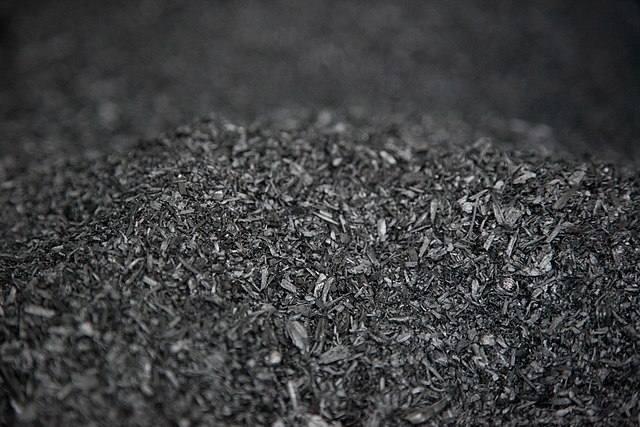
A biochar machine is a specialized piece of equipment designed to convert biomass into biochar through a process called pyrolysis. Understanding the fundamental operations and features of biochar machines is crucial before delving into purchasing. Typical machines vary in size, capacity, and technology, from simple batch systems to more complex continuous-feed units.
Assess Your Requirements
The first step in acquiring a biochar machine is to evaluate your specific needs. This includes identifying:
- Production Volume: Determine how much biochar you intend to produce. For small-scale farmers, a compact unit may suffice; larger operations might require industrial-sized machines.
- Type of Biomass: Different machines handle various types of biomass, including wood chips, agricultural waste, or organic matter. Ensure the machine you select is compatible with the feedstock you plan to use.
- Space Considerations: Assess your available space for the machine installation. Some models necessitate more room than others.
Research Available Options
Once you have a grasp of your needs, the next phase consists of comprehensive research. It’s vital to explore a variety of manufacturers and models. Online resources, trade forums, and agricultural expos can provide valuable insights into the reliability and reputation of different brands. Make root comparisons on essential attributes, including energy efficiency, durability, and maintenance requirements. Be sure also to read customer reviews, as these provide firsthand experiences that can illuminate potential pitfalls.
Engage with Experts
Consulting with experts in the field can be invaluable. Reach out to agricultural extension services, biochar production specialists, or even fellow farmers who utilize biochar machines. Their experiences can offer practical insights that you might not find in brochures or online resources. Additionally, seek recommendations for industries using biochar technology extensively, such as forestry or waste management.
Consider Second-Hand Machinery
To find a biochar machine at an affordable price, consider exploring the realm of second-hand machinery. Pre-owned biochar machines can be significantly discounted, provided you are willing to invest time in ensuring their operational integrity. Investigate local agricultural sales, auctions, and online marketplaces. Make sure to ask detailed questions regarding the machine’s history, maintenance records, and potential replacement parts. While second-hand machines can often be an astute financial choice, they do come with their own set of risks, so proceed with caution.
Evaluate Total Cost of Ownership
Price is not the sole factor in acquiring a biochar machine. When comparing options, calculate the total cost of ownership, encompassing purchase price, operational costs, and potential repair expenses. For instance, energy-efficient models may have a higher initial investment but could yield savings over time through reduced energy bills. Conversely, cheaper machines might lead to elevated operational costs due to frequent repairs or inefficiency.
Negotiate and Seek Discounts
Once you have identified a suitable biochar machine, do not shy away from negotiating the price. Many manufacturers and retailers are open to discussions regarding pricing, especially for bulk orders or package deals involving supplementary equipment or accessories. Another approach is to inquire about seasonal discounts, promotional offers, or financing options that may alleviate upfront costs.
Understand Warranties and Support Services
Purchasing a biochar machine is an investment, and selecting one that comes with a comprehensive warranty is vital. A warranty not only covers potential defects but also indicates the manufacturer’s confidence in their equipment. Furthermore, assess the availability of support services, such as technical assistance and replacement parts. Reliable support can save you both time and money in the event of machinery breakdowns.
Expand Your Purchasing Network
Networking with other biochar producers can open doors to potential deals, shared resources, and collaborative purchases. By joining community groups or forums focused on biochar production, you may find opportunities to purchase equipment collectively, enabling bulk buying discounts, or even share machinery on a rental basis.
Final Thoughts
Finding a biochar machine at a good price necessitates a blend of research, expert consultation, savvy negotiation, and financial foresight. By comprehensively understanding your requirements, evaluating the market, and considering both new and used options, you can discover a machine that meets your ecological aspirations and budget constraints. The journey towards sustainable biomass utilization through biochar doesn’t have to burden your finances; rather, it can be a judicious investment leading to both environmental and monetary dividends.