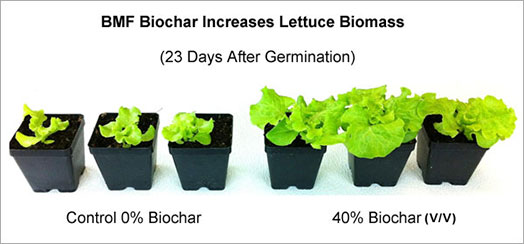
Understanding the delicate balance of soil pH is akin to unraveling the complex tapestry of environmental health. Each component interweaves to create an ecosystem conducive to plant growth. Soil pH, the measure of acidity or alkalinity, is a pivotal aspect of this tapestry. It directly influences nutrient availability, microbial activity, and overall plant vigor. In the quest for garden improvement, one often overlooks critical amendments that can enhance the soil. Among these, biochar emerges as a veritable game changer. This article delves into biochar’s transformative power and other strategies to adjust and improve garden soil pH.
1. The Importance of Optimal Soil pH
A soil pH that hovers around 6 to 7 is generally ideal for most plants; it allows for optimal nutrient availability. A pH below 6 indicates acidic conditions, often leading to nutrient leaching, while a pH above 7 suggests alkalinity, which can render certain nutrients unavailable. When plants encounter adverse pH conditions, their growth stagnates. Thus, understanding the concept of soil pH lays the foundation for meaningful interventions.
2. Understanding Biochar
Biochar is not merely an organic soil amendment; it is a prodigious tool for ecological restoration. Formed through pyrolysis, the process of heating organic matter in the absence of air, biochar functions as a carbon sequestering agent. Its porous nature enhances soil aeration and water retention, and its alkaline properties can counteract excess acidity. As a pH ameliorator, biochar invites a newfound perspective on sustainable gardening practices.
3. The Mechanisms of Biochar in Soil
How precisely does biochar intercede to enhance soil conditions? Its high surface area and structural integrity allow it to harbor beneficial microbes, effectively transforming it into a habitat of activity. As microorganisms proliferate, they contribute to nutrient cycling, which is crucial for plant health. This elevation of microbial populations not only engenders nutrient availability but also bolsters soil resilience against pathogens. Furthermore, biochar can immobilize heavy metals, thereby fostering a healthier growth environment.
4. Incorporating Biochar into Your Garden
Integration of biochar into existing soil necessitates strategic planning. Ideally, biochar should be applied to the soil prior to planting, allowing it a chance to integrate and modify the soil environment. Depending on the intended use, biochar can create a balanced soil amendment at rates of 5% to 20% of total soil volume. Generally, it is wise to begin at the lower end, observing the outcomes before making further adjustments.
Pre-soaking biochar in a nutrient-rich solution or compost tea can enhance its efficacy, enriching it with microbial communities that thrive in organic matter. By loading the biochar with nutrients prior to application, you facilitate a far more immediate benefit, allowing plants to capitalize on the enhanced microbiome.
5. Additional Techniques for Adjusting Soil pH
While biochar offers remarkable advantages, it is not the sole option for pH adjustment. Several other methods exist, each with unique benefits:
a. Adding Lime for Acidic Soils: Dolomitic lime is an efficient remedy for raising the pH in overly acidic soils. Not only does it amend pH levels, but it also enriches the soil with calcium and magnesium, both essential for plant health.
b. Utilizing Sulfur for Alkaline Soils: When facing high pH levels, elemental sulfur serves as an agent of change. By introducing sulfur to the soil, microbial processes will gradually convert it into sulfuric acid, thus lowering the pH and restoring a balanced environment.
c. Organic Matter Amendment: Incorporating compost or well-aged manure can gently lower pH levels while enhancing soil structure. These organic materials introduce beneficial microorganisms and improve nutrient retention, fostering a flourishing ecosystem within the soil.
6. Testing and Monitoring Soil pH
To embark on the path to soil improvement, testing the current pH level is essential. Home soil test kits provide a quick and user-friendly way to gauge pH levels. Monitoring should not be a one-time event; yearly testing helps track changes and guide future amendments. Such diligence is crucial for adapting soil management strategies for continuous improvement.
7. The Ripple Effect of Healthy Soil
The implications of enhancing soil pH stretch far beyond individual gardens. Improved soil quality leads to stronger plants, which in turn produce more robust yields. Healthier plants bolster local biodiversity, supporting pollinators and other beneficial organisms. As ecosystems flourish, they contribute positively to the broader environment. This holistic approach underscores the interconnectedness of all living things, where a single thoughtful action ripples into an expansive impact.
8. Conclusion: A Holistic Approach to Soil Health
Improving garden soil pH through biochar and other amendments offers an innovative perspective on sustainability. It promises not just enhanced plant health but also revitalization of the ecosystems surrounding our gardens. Embracing such methods fosters a cycle of learning, growth, and environmental stewardship. With continued curiosity and a willingness to explore unconventional solutions, gardeners can transform their plots into thriving havens that support both flora and fauna alike.