In recent years, the agricultural landscape has increasingly gravitated towards sustainable practices, leading to a profound interest in biochar as a transformative ingredient. This ancient technique, originating from the practices of indigenous cultures, has resurfaced, intriguing modern scientists and farmers alike. The fascination with biochar lies not just in its enigmatic blackened form, but rather in its multifaceted potential to ameliorate soil health, enhance crop yields, and sequester carbon, thereby addressing the critical challenges of contemporary agriculture.
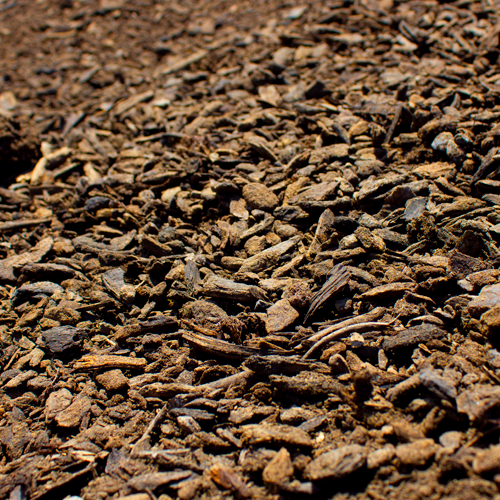
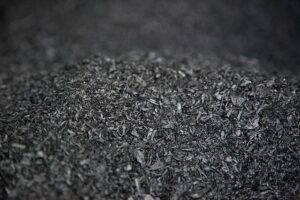
Biochar is a carbon-rich product derived from the pyrolysis of organic matter, such as agricultural residues, wood chips, or even manure, at elevated temperatures in a low-oxygen environment. This distinct process produces a stable structure that can persist for centuries in the soil. The depth of this stability is pivotal, as it enables biochar not only to enhance soil fertility but also to contribute to long-term ecological sustainability.
Understanding Soil Dynamics
The foundation of successful agriculture is undeniably grounded in soil health. Soil is a dynamic living entity, teeming with microorganisms and essential nutrients. However, conventional farming practices frequently degrade this vital resource, leading to depletion and erosion. Biochar enters the equation as a soil enhancer, improving aeration, water retention, and nutrient availability. Its porous structure serves as a habitat for beneficial bacteria and fungi, fostering a robust microbial community vital for plant growth.
Moreover, the introduction of biochar into the soil modifies the physical and chemical properties, particularly the cation exchange capacity (CEC). This enhancement allows the soil to retain more nutrients, minimizing leaching and mitigating the need for chemical fertilizers. A thriving microbial population in biochar-enhanced soil effectively mineralizes organic matter, making nutrients readily accessible to plants, thus creating an environment ripe for agricultural success.
Field Strategies for Implementation
Implementing biochar in agricultural practices requires a tailored approach to maximize its benefits while accounting for diverse soil types and crop needs. Here are several practical field strategies to consider:
1. Integrative Crop Management
Employing a holistic approach, farmers should integrate biochar into their crop management practices. This can include mixing biochar with compost or manure to harness the synergistic benefits of organic amendments. By applying a well-thought-out combination of biochar and organic matter, farmers can effectively promote nutrient cycling while enhancing microbial diversity, thus ensuring a robust soil ecosystem.
2. Targeted Application Rates
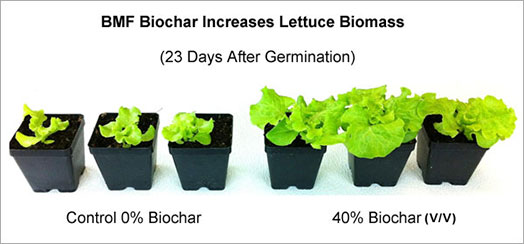
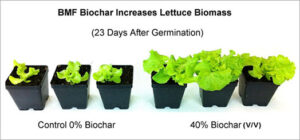
Determining the appropriate application rate is crucial. Over-application can lead to negative effects, such as nutrient locking or drought stress. Small-scale tests can be invaluable; start with lower application rates and monitor soil health indicators, adjusting accordingly based on the specific crop and soil requirements. Generally, a range of 5-20% biochar by volume is recommended, with careful observation guiding potential increases.
3. Timing and Depth of Application
The timing of biochar application can significantly affect its efficacy. Incorporating biochar into the soil before the planting season allows it to amalgamate with soil components and enhance thermal properties, benefiting root growth. Furthermore, the incorporation depth should also be considered. Shallow incorporation (5-10 cm) may enhance its immediate benefits for annual crops, while deeper applications (15-30 cm) can foster long-term soil health for perennial systems.
4. Crop Diversity Practices
Adopting diverse cropping systems can tailor biochar application to meet varying nutrient and water demands of different crops. Studies indicate that intercropping with legumes can optimize the benefits of biochar, given legumes’ capacity to fix atmospheric nitrogen. By fostering biodiversity, farmers not only enhance resilience against pests and diseases but also improve overall soil fertility, with biochar playing an instrumental role as a supportive medium.
5. Monitoring and Evaluation
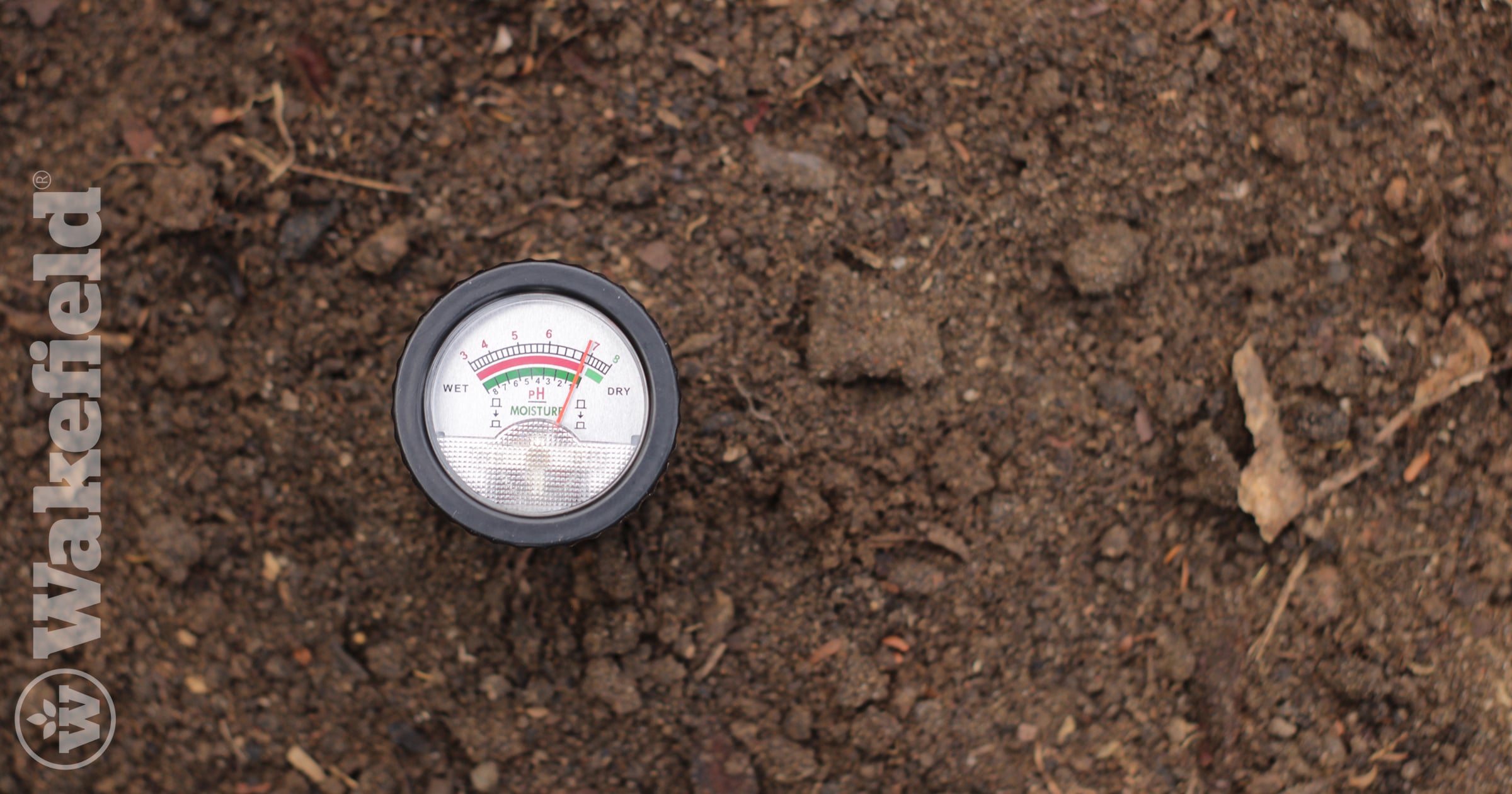
Ongoing monitoring and evaluation of biochar’s impact are essential for adaptive management. Keeping thorough records of crop yields, soil health, and environmental indicators enables farmers to refine their strategies over time. Additionally, soil testing before and after biochar application can significantly aid in understanding its short- and long-term effects on soil chemistry and structure, allowing for continuous improvement and optimization of practices.
Environmental Considerations
Beyond agricultural benefits, biochar represents a promising solution for addressing climate change. By sequestering carbon, its application not only mitigates greenhouse gas emissions but also contributes to improved soil quality. Furthermore, biochar’s ability to reduce nutrient runoff serves as an environmentally responsible option for farmers striving to reduce their ecological footprint.
Challenges and Future Prospects
While the prospects of biochar are promising, certain challenges remain. Issues such as production cost, sourcing feedstock, and lack of awareness in some farming communities can hinder widespread adoption. Nonetheless, ongoing research and innovation offer hope for overcoming these obstacles. As agricultural practices evolve, a deeper understanding of biochar applications can elevate crop production, making it a cornerstone of sustainable agriculture.
In conclusion, the integration of biochar into agricultural practices holds immense potential. Its capacity to enrich soil health, improve water retention, and enhance nutrient availability presents an opportunity for farmers to revolutionize their approaches. As the sector leans towards sustainability, embracing biochar serves as a pivotal strategy, not only for enriching the soil but also for forging a resilient future in agriculture.