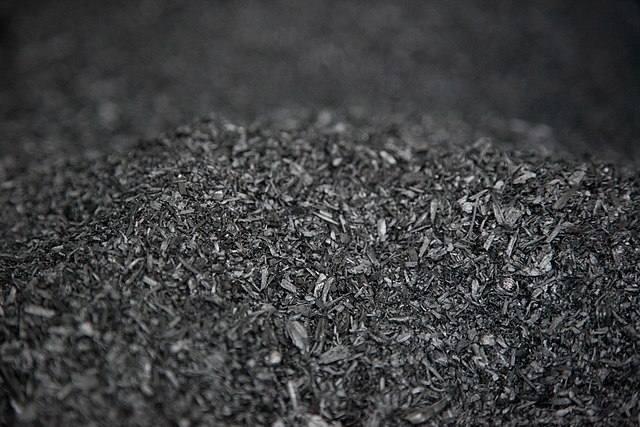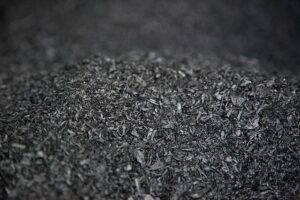
In the enchanting world of sustainable materials, where innovation and nature intertwine, biochar emerges as a luminary, a veritable phoenix resurrected from the ashes of biomass. Much like an alchemist transforming base elements into precious gold, biochar is created from organic material—wastes derived from forestry, agriculture, and even municipal refuse—subjected to pyrolysis. This thermal decomposition process produces not just a carbon-rich material but a tool imbued with tremendous potential to revolutionize environmental practices.
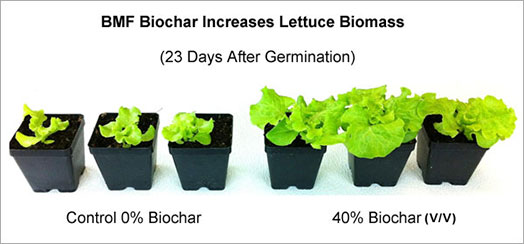
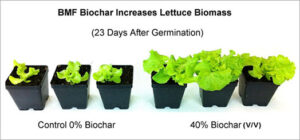
The story of biochar is one woven into the very fabric of ecological stewardship. Imagine a world where waste is not merely discarded but instead reincarnated into a product that enriches the earth. Biochar can be likened to a timeless scroll upon which nature writes its own narrative of rejuvenation. As it re-enters the soil, it does so as a reservoir of nutrients and moisture, offering an inviting sanctuary for microorganisms and plant roots alike. Its multifaceted functionality renders it a cornerstone of regenerative agriculture, promising enhanced soil health and fertility.
One cannot underestimate the role of biochar in combatting climate change. Acting as a carbon sink, it stores carbon in a stable form, sequestering it within the soil for centuries, thus mitigating the pressing issue of atmospheric carbon dioxide. Visualize biochar as an ancient fortress—its walls fortified against the erosion of time, guarding against the peril of climatic calamities. This unique characteristic separates biochar from other organic amendments, providing a long-term solution that aligns with ecological needs and the urgency of the climate crisis.
A critical aspect where biochar shines is its ability to enhance soil aeration while improving water retention. Picture a sponge, yet more dynamic—biochar absorbs moisture, releasing it slowly to plants during droughts. This interplay between water and soil heralds an era of resilience against erratic weather patterns, making it an invaluable ally for farmers confronting the uncertainties posed by climate change. The path to sustainable agriculture is illuminated by the properties of biochar, promoting a tangible form of sustenance in our increasingly unpredictable environment.
The transformation of organic waste into biochar not only addresses agricultural concerns but also presents an innovative approach to waste management. It invites industries to transform their refuse into a resource, rather than a burden. Think of it as a symphony, where each note represents a different waste material composing a harmonious solution to pollution riddled landscapes. When agricultural byproducts, forestry residues, and even urban green waste are converted into biochar, they undergo a metamorphic change—not only reducing landfill contributions but also enriching the soil. This process embodies the principles of a circular economy, where waste finds new life rather than languishing in obscurity.
Beyond the agricultural realm, biochar extends its benevolent influence to various sectors. In water treatment, its porous structure acts as a filtration medium, removing contaminants and providing a cleaner source for communities. Envision biochar as a guardian of aquatic ecosystems, protecting them from the encroachment of pollution. Additionally, its capacity to absorb noxious substances renders it a promising candidate for environmental remediation; like a sponge soaking up toxins, biochar aids in rejuvenating degraded lands and polluted water bodies.
Delving into the scientific intricacies reveals that biochar varies significantly in characteristics depending on its source material and production method. This diversity allows it to be tailor-made for specific applications, enhancing its appeal as a versatile solution. Consider it an artist’s palette—each color representing a unique biochar variant, each shade capable of achieving different effects in the soil. This adaptability is pivotal for practitioners aiming for precision in enhancing soil biology, chemistry, and physical properties to achieve optimal plant growth.
Engaging with the biochar community cultivates a dialogue rich with exploration and learning. Through workshops, seminars, and collaborative research, ideas flourish and innovations sprout like verdant tendrils reaching toward the sun. This vibrant network encompasses scientists, farmers, and environmentalists, each contributing a unique piece to the mosaic of knowledge surrounding biochar. It symbolizes a collective awakening towards sustainable practices, embodying the ethos of responsible stewardship towards our planet.
Despite the myriad benefits, the road to widespread biochar adoption isn’t devoid of challenges. Regulatory frameworks, economic viability, and public awareness all influence its acceptance and implementation. Crafting policies that energize innovation while providing education to bolster community mindfulness is essential. A well-informed public can be a formidable ally in the quest to integrate biochar into mainstream agricultural practices. Trends will grow like ivy, entwining biochar’s name into the fabric of sustainable solutions in agriculture and beyond.
Innovation rarely comes without juxtaposition to skepticism; however, the science continues to burgeon, offering a clarion call for further exploration of biochar’s extraordinary potential. As we stand at the precipice of new opportunities, embracing the complexities of this carbon-rich marvel promises an alluring tomorrow—a symphony of productivity, sustainability, and responsibility orchestrated by the transformative powers of biochar. In this blending of nature and technology, a clearer vision of the future unfolds, one where waste is viewed not as an end, but as an opportunity to recreate, rejuvenate and revitalize our planet.