Imagine transforming agricultural waste into a resource that can enhance soil health while also mitigating greenhouse gas emissions. Intriguing, isn’t it? This concept is beautifully encapsulated in the use of biochars. As we explore this relatively novel approach to sustainable agriculture, we will delve into what biochars are, their myriad uses, and the extensive benefits they offer in terms of environmental stewardship and agricultural productivity.
Understanding Biochars
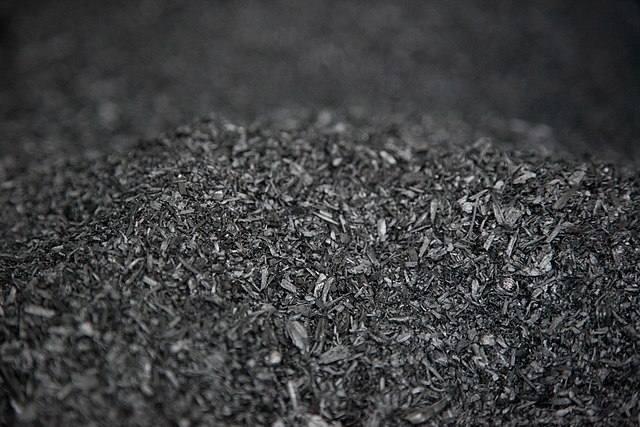
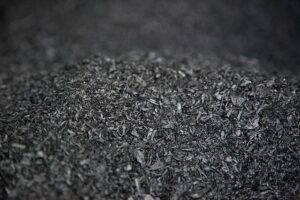
Biochar is a carbon-rich product derived from the pyrolysis of biomass—organic material that includes agricultural residues, manure, and even municipal green waste. During the pyrolysis process, biomass is subjected to high temperatures in a low-oxygen environment, causing it to decompose into carbon-rich charcoal. The resulting biochar is a stable form of carbon that can remain in the soil for hundreds or even thousands of years. This durability distinguishes biochar from other organic amendments, making it an intriguing candidate for enhancing soil quality and agricultural productivity.
A Multifaceted Soil Amendment
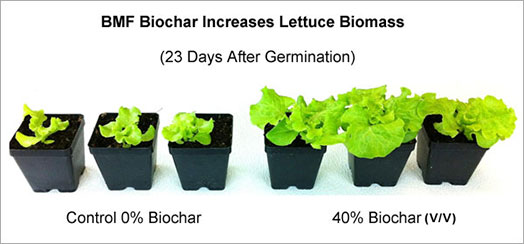
So, why is biochar gaining traction among agronomists and eco-conscious farmers alike? The answer lies in its multifaceted roles as a soil amendment. Biochar possesses unique physicochemical properties that improve soil structure, increase water retention, and enhance nutrient availability.
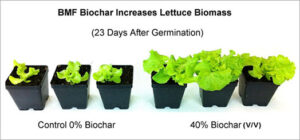
One of the primary characteristics of biochar is its porous structure. This porosity not only improves soil aeration but also fosters a hospitable environment for beneficial soil microorganisms. These microorganisms play a critical role in nutrient cycling, ultimately leading to healthier plants and increased crop yield. When added to soil, biochar acts like a sponge, retaining significant amounts of water. This is especially crucial for regions prone to drought, as it reduces the need for excessive irrigation, thereby conserving water resources.
Mitigating Soil Acidity
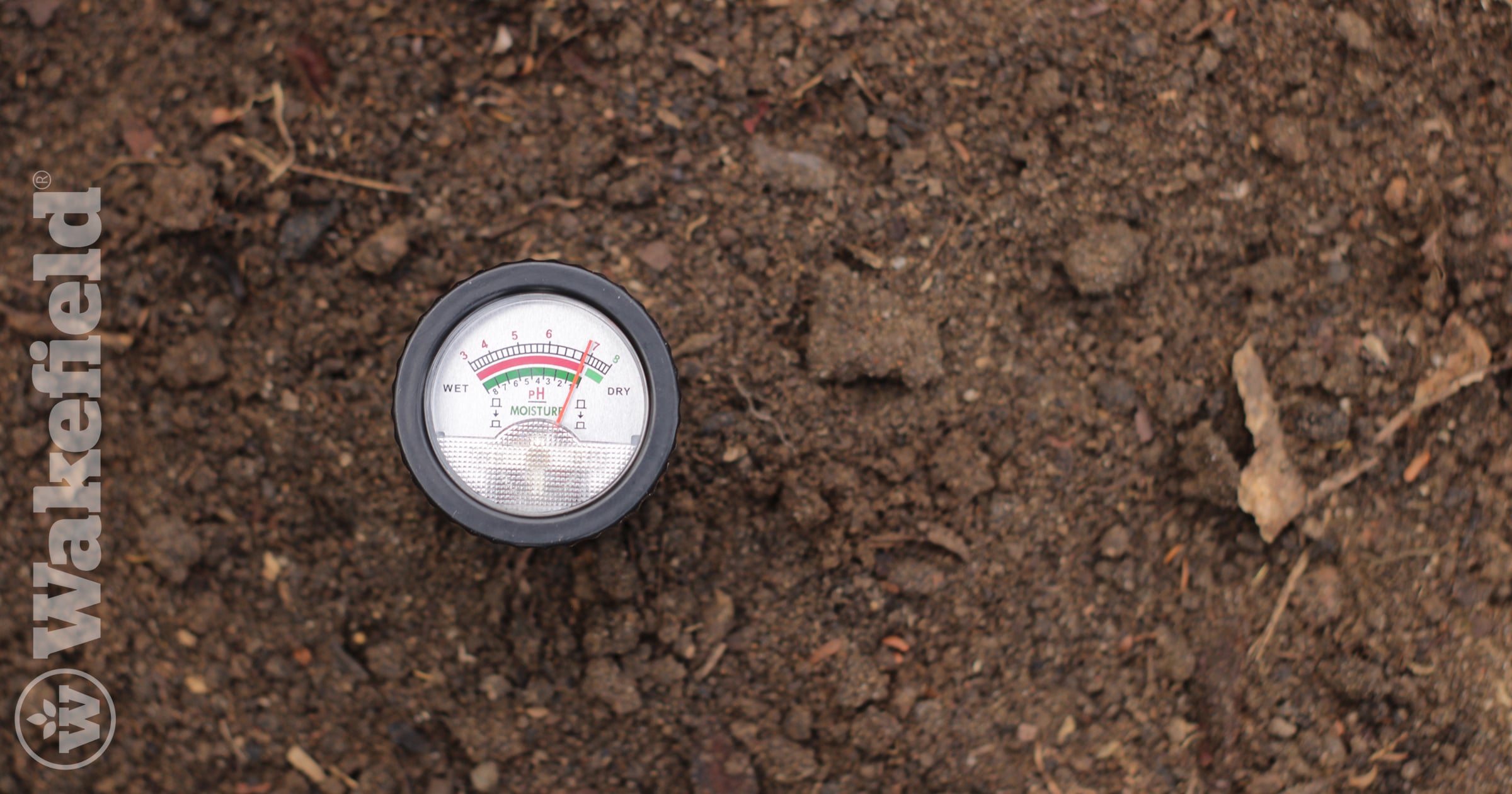
In many regions, particularly those with highly weathered soils, acidity can be a limiting factor to successful crop growth. The alkaline nature of biochar can help moderate soil pH levels, creating a more favorable environment for plant growth. This ameliorating effect can be particularly beneficial for acidic soils, allowing farmers to cultivate a broader range of crops without resorting to harmful chemical fertilizers or lime applications.
Nutrient Retention and Fertility
Another remarkable attribute of biochar is its ability to enhance nutrient retention. Conventional fertilizers often leach away, especially in sandy soils. However, biochar’s unique structure allows it to hold onto essential nutrients such as nitrogen, phosphorus, and potassium. This not only reduces the need for synthetic fertilizers but also mitigates nutrient runoff, which can contribute to water pollution.
Furthermore, when biochar is used in conjunction with organic compost, it can create a synergistic effect, enhancing nutrient availability to plants. As microorganisms break down organic matter in compost, the biochar provides a stable surface for them to colonize, leading to improved nutrient uptake by crops. This interplay between biochar and compost is a powerful strategy for building soil fertility sustainably.
Addressing Greenhouse Gas Emissions
We often ponder the role of agriculture in climate change. An interesting aspect of biochar is its potential to serve as a carbon sequestration tool. By creating biochar, carbon that would otherwise be released into the atmosphere during the decomposition of organic matter can be stabilized within the soil. This not only mitigates greenhouse gas emissions but also contributes to the development of a circular economy, where organic waste is repurposed instead of discarded.
Challenges and Considerations
A playful question arises: Can farmers afford to overlook the potential of biochar, or is the scientific community positioned to unravel its complexities? As research continues to unfold, best practices for biochar production and application will undoubtedly emerge, paving the way for its ubiquitous use in sustainable agriculture.
Biochar vs. Other Amendments
In comparison to other soil amendments, biochar stands out due to its long-term benefits. Traditional organic amendments, like manure or compost, decompose relatively quickly and offer short-term advantages. Biochar, on the other hand, remains in the soil, providing prolonged effects that can influence agricultural practices sustainably over decades. This characteristic not only enhances soil health but also ensures a consistent yield, a critical demand in our ever-evolving agricultural landscape.
Final Reflections
As we stand at the crossroads of agricultural exploration, the promise of biochars illuminates a potential path forward. The challenge lies not only in understanding their benefits but also in disseminating this knowledge to foster a culture of innovation and sustainability within the farming community. Will we seize this opportunity, or will we let it slip through our fingers?