Biochar, a carbon-rich product derived from the pyrolysis of organic materials, has emerged as a promising solution for climate change mitigation. However, the question of whether biochar can truly be classified as carbon negative merits an extensive examination. In this article, we delve into the complexities of biochar production, its carbon sequestration potential, and the interplay of various factors that determine its overall impact on greenhouse gas emissions.
Understanding Biochar: An Overview
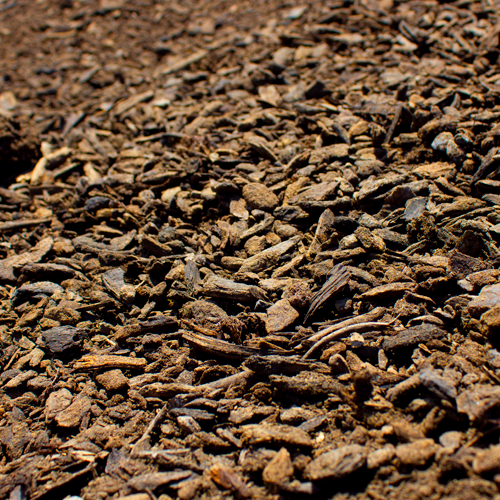
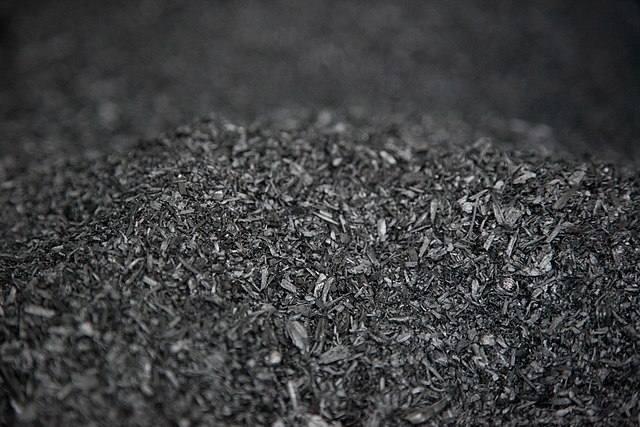
At its core, biochar is produced through a process that involves heating biomass—such as agricultural waste, forestry residues, or dedicated energy crops—in the absence of oxygen. This thermal decomposition, known as pyrolysis, results in a stable form of carbon that can be sequestered in soils for centuries. The primary appeal of biochar lies in its dual capacity to store carbon while enhancing soil fertility. However, deciphering its carbon footprint requires a closer inspection of the entire lifecycle associated with its production and application.
The Carbon Cycle: Biochar’s Role
Carbon occurs in various forms throughout the environment, transitioning between the atmosphere, biosphere, and geosphere. Through photosynthesis, plants absorb carbon dioxide (CO2) from the atmosphere, creating biomass. When this biomass is converted into biochar and then applied to soil, a portion of the carbon is stabilized, preventing it from re-entering the atmosphere. This stabilization is vital to understanding biochar’s potential as a carbon-negative product, which is characterized by its ability to remove more CO2 from the atmosphere than is emitted during its lifecycle.
Assessing Carbon Sequestration Potential
The carbon sequestration potential of biochar is influenced by several factors:
- Feedstock Selection: The type of biomass used in biochar production significantly affects the amount of carbon that can be retained. For instance, hardwoods tend to produce a denser, more carbon-rich biochar post-pyrolysis compared to softwoods or agricultural residues.
- Pyrolysis Conditions: The temperature and duration of pyrolysis directly impact biochar’s carbon content. Higher temperatures generally yield biochar with greater carbon stability, making it more effective at sequestering carbon.
- Application Methods: The method of applying biochar to soils—whether incorporated into the soil or used as a mulch—can influence its effectiveness in retaining carbon and enhancing soil health.
However, even within these parameters, the overall carbon negativity of biochar is contingent on the emissions generated throughout the production and application processes. Thus, thorough life cycle assessments (LCAs) are critical for understanding the net impact of biochar on carbon emissions.
Life Cycle Assessment: A Comprehensive View
Life cycle assessments provide a holistic approach to evaluating biochar’s viability as a carbon-negative solution. By considering every stage—from feedstock cultivation and transport to pyrolysis and application—we obtain an integrated view of its potential environmental impact.
For instance, the cultivation of biomass may release greenhouse gases through the use of fertilizers and land-use changes. Transporting feedstocks can also contribute to emissions, particularly if long distances are involved. During the pyrolysis stage, capturing the energy released can mitigate emissions, yet the efficiency of this process varies widely across different setups. Furthermore, the stability of biochar in soil must continue to be monitored, as the longevity of its carbon storage varies based on soil type, climate, and microbial activity.
Comparative Analysis: Carbon Footprint vs. Other Soil Amendments
When evaluating biochar alongside other soil amendment options, such as manure or compost, it is evident that biochar offers unique advantages. While organic amendments can enhance soil health and carbon stocks, they often have a much shorter duration of carbon sequestration compared to biochar. In contrast, biochar can lock in carbon over longer timescales, making its impact more pronounced in the context of climate mitigation.
However, the potential for biochar to be carbon negative depends on a nuanced understanding of its application within agricultural practices. For example, agricultural systems that prioritize regenerative practices, such as cover cropping and reduced tillage, can amplify the carbon storage benefits of biochar when used synergistically.
Challenges and Considerations
Despite the optimistic prospects surrounding biochar, challenges persist. The economic viability of biochar production often hinges on market demand and the availability of feedstocks. Policy frameworks encouraging carbon credits or incentives for sustainable practices can significantly influence the adoption of biochar. Additionally, expanding public awareness about the benefits and applications of biochar remains essential for harnessing its full potential.
The Future of Biochar: Opportunities for Research and Development
Research into biochar is increasingly focused on improving its properties through innovation. Tailoring the pyrolysis process according to specific feedstocks, exploring the incorporation of biochar with other materials—for instance, blending biochar with fertilizers—could enhance nutrient availability and further solidify biochar’s reputation as a formidable tool against climate change.
Moreover, community-based projects can pave the way for localized biochar initiatives, empowering farmers to produce biochar from their residues, thus creating a circular economy within agricultural systems. Engaging local stakeholders in the process is crucial for fostering a culture of sustainable practices.
Conclusion: A Promising Yet Complex Solution
While biochar holds promise as a carbon-negative solution for climate change, its effectiveness is contingent upon several interrelated factors. Understanding the intricacies of biochar production and application through rigorous life cycle assessments provides clarity on its true environmental impact. Moving forward, embracing innovative practices and enhancing public awareness will be vital for unlocking the full potential of biochar in creating a more sustainable future.