In the ongoing battle against climate change, innovative solutions are increasingly coming to the forefront. One such avenue that merits attention is land carbon sequestration, particularly through the use of biochar. Biochar, a type of charcoal produced from biomass, holds the potential to play an instrumental role in reducing atmospheric carbon dioxide levels. This article delves into the promises and mechanisms of carbon sequestration through biochar, a compelling approach that invites us to rethink our interaction with natural resources.
The Foundations of Biochar: Understanding the Concept
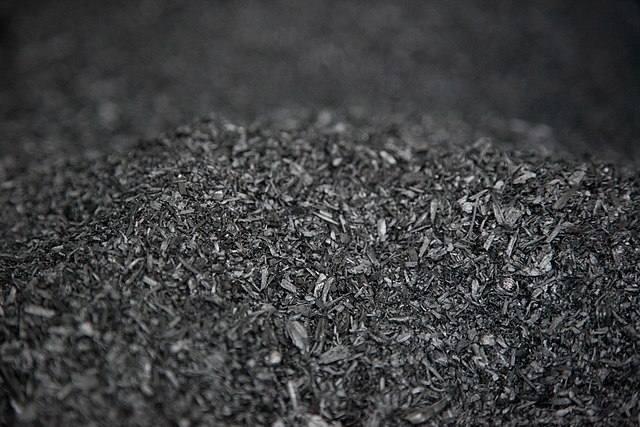
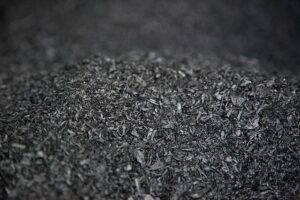
At its core, biochar is generated through the pyrolysis of organic material. This process entails heating biomass in an oxygen-limited environment, facilitating its transformation into a stable form of carbon. Unlike conventional carbon emissions that dissipate into the atmosphere, biochar can be integrated into soil, thereby storing carbon for extended periods—potentially hundreds to thousands of years. This feature distinguishes biochar from other carbon capture methodologies, showcasing its unique capability to sequester carbon in a solid form.
The Promise of Carbon Sequestration Through Biochar
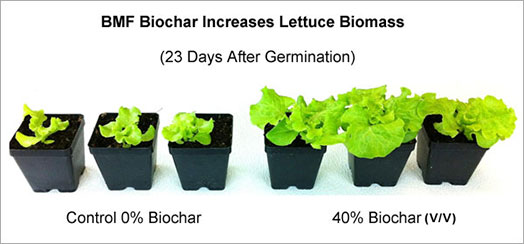
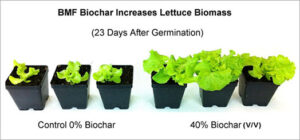
The allure of biochar extends far beyond mere carbon sequestration. By enhancing soil health, biochar enriches agricultural productivity. When applied to soil, it improves water retention, elevates nutrient availability, and fosters a thriving ecosystem of beneficial microorganisms. This enriches the soil structure, creating a symbiotic relationship that not only supports plants but also promotes biodiversity. Thus, the dual promise of biochar lies in its ability to mitigate climate change while augmenting food security.
How Much Carbon Can We Store?
This raises the pivotal question: how much carbon can biochar realistically sequester? Estimates vary widely, influenced by factors such as feedstock type, pyrolysis conditions, and application methods. Studies have indicated that biochar can sequester between 1.5 to 3 gigatons of carbon dioxide per year if implemented on a large scale. This figure, while promising, is contingent on widespread adoption and optimized utilization. As the landscape of agriculture changes, so too can the role of biochar evolve, potentially leading to significant quantities of sequestered carbon.
Factors Influencing Carbon Sequestration Efficiency
The efficiency of carbon sequestration using biochar is not a monolithic standard; it is affected by a myriad of variables. First and foremost, the choice of feedstock plays a critical role. Different biomass types yield varying amounts of carbon and nutrients, affecting both soil health and emissions profiles. For instance, using agricultural residues or forestry waste can be far more beneficial than urban waste, which may contain contaminants.
Moreover, the pyrolysis temperature has a profound impact. Higher temperatures tend to create more stable forms of carbon, making them more effective for long-term storage. Conversely, temperatures on the lower spectrum might yield biochar that decomposes quickly, negating its potential benefits. The methodology of applying biochar to soil also matters; incorrect application can lead to disrupted ecosystems or unintended consequences.
Challenges in Adoption
Public awareness and understanding also play vital roles. Convincing stakeholders—from farmers to policymakers—to embrace biochar as a legitimate carbon sequestration strategy requires educational initiatives and demonstrable outcomes. Engaging the community by showcasing successful implementations can foster greater acceptance.
The Future of Biochar and Carbon Sequestration
Looking ahead, the trajectory of biochar within the realm of land carbon sequestration appears promising, albeit complex. The potential for innovative technologies and practices to converge with traditional farming methods might catalyze a shift towards sustainable practices. As industries evolve and pivot towards greener alternatives, biochar might be embraced not just as a remedy for carbon emissions, but also as a fundamental component of regenerative agricultural systems.
Policy frameworks encouraging carbon farming practices and offering financial incentives for biochar integration could expedite its incorporation into mainstream agriculture. These policies would also boost research endeavors aimed at understanding the nuances of biochar applications and maximizing its benefits.
A Shift in Perspective: Biochar as a Climate Mitigator
The conversation about biochar should not merely revolve around its technical merits. It requires a philosophical pivot towards viewing agricultural landscapes as dynamic ecosystems capable of carbon storage and enhanced biodiversity. The narrative surrounding climate change must evolve into one of proactive engagement rather than passive observation. By embracing practices such as biochar application, stakeholders not only contribute to the reduction of atmospheric carbon but also foster environments conducive to sustainable growth.
In conclusion, land carbon sequestration through biochar holds the promise of mitigating climate change and enhancing agricultural viability. While uncertainties and challenges persist, the path forward is illuminated by the potential benefits that biochar can confer. As we stand at this crossroads, it is crucial to recognize the opportunity to redefine our relationship with the land and forge a sustainable future, wherein carbon sequestration becomes a tangible reality deserving of exploration and commitment.