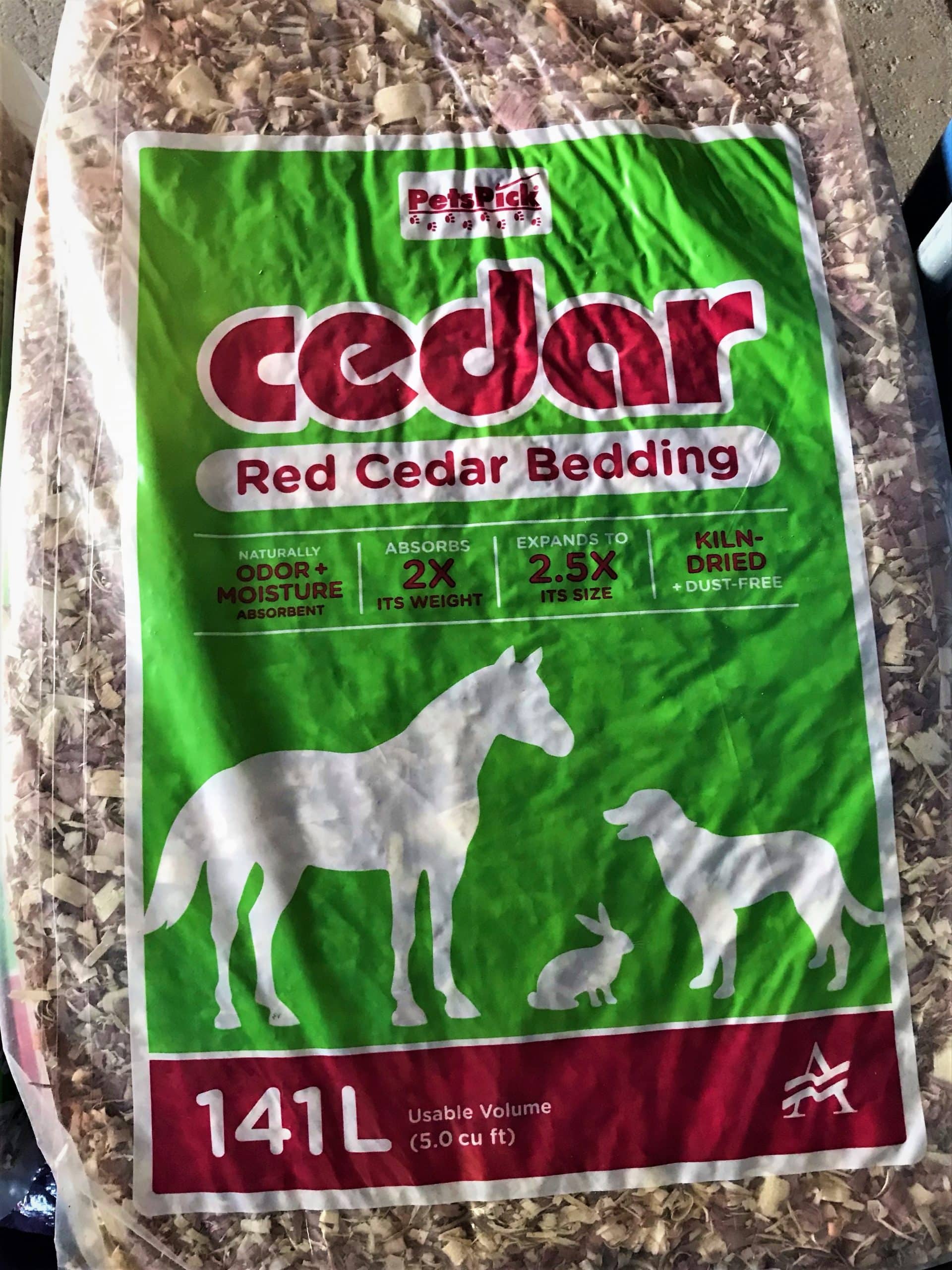
As agricultural practices continue to evolve, innovative solutions such as biochar are capturing attention across the livestock industry. In this discussion, we will explore the fascinating concept of biochar livestock bedding. This alternative bedding material is not just about comfort for animals; it is a powerhouse of benefits that can transform ranching and farming. By using biochar, livestock owners can enhance animal welfare while simultaneously promoting environmental sustainability.
1. Understanding Biochar
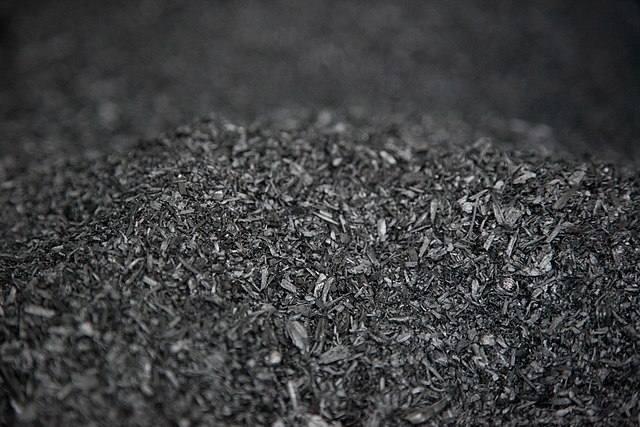
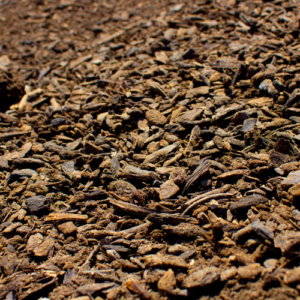
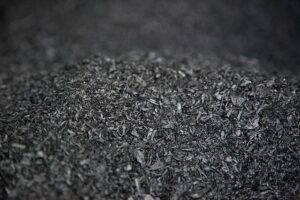
Biochar is a carbon-rich material produced through pyrolysis, a process wherein organic waste, such as wood chips or agricultural residues, is heated in an oxygen-limited environment. This transformative process results in a stable form of carbon that can be permanently stored in the soil. But its benefits extend far beyond carbon sequestration. Biochar is highly porous, encouraging beneficial microbial activity while also improving soil quality. This property leads to a unique composition that makes biochar suitable not just for soil amendment but also as an intriguing option for livestock bedding.
2. The Composition and Structure of Biochar
The structural integrity of biochar contributes to its efficacy as bedding. Characterized by high surface area and porosity, biochar allows for excellent ventilation while efficiently absorbing moisture. This is paramount in maintaining a dry environment, which curtails the risks of respiratory issues and other health challenges commonly associated with conventional bedding materials such as straw or wood shavings. Moreover, biochar’s physical properties can mitigate the unpleasant odors often produced in livestock housing, creating a more pleasant atmosphere for both animals and caretakers.
3. Types of Biochar and Their Application
There are various types of biochar, each tailored to specific feedstock sources such as hardwoods or agricultural byproducts. The selection of biochar can depend on the livestock being raised. For instance, poultry may benefit more from softwood-based biochar, which is lighter and more absorbent compared to its hardwood counterpart, ideal for enhancing comfort in poultry bedding. In contrast, for larger animals such as cattle or horses, a more robust hardwood biochar could be preferable, offering a longer-lasting bedding solution. Understanding the nuances of biochar types can empower livestock owners to make informed choices that align with their specific needs.
4. Health Benefits for Livestock
Using biochar as bedding can significantly enhance the health and well-being of livestock. The natural properties of biochar help to create a drier environment, thus reducing the prevalence of pathogens and parasites that can plague conventional bedding systems. Furthermore, biochar can support beneficial bacteria in the bedding, thereby promoting a healthier microbiome for livestock. As animals interact with this enriched habitat, they are less likely to succumb to diseases, which ultimately leads to improved growth rates and productivity.
5. Environmental Impact
The environmental benefits of biochar extend well beyond the barn. Utilizing biochar in livestock bedding contributes to a sustainable circular economy by repurposing waste materials. This process not only reduces landfill use but also minimizes greenhouse gas emissions often associated with traditional farming practices. Additionally, biochar’s role in sequestering carbon contributes to climate change mitigation. As more livestock operations recognize these opportunities, transitioning to biochar bedding emerges not merely as an option but as a proactive step toward responsible farming.
6. Cost Considerations and Economic Feasibility
While the initial investment in biochar may seem higher compared to traditional bedding materials, the long-term savings can be substantial. Biochar’s durability means it requires less frequent replacement, effectively lowering overall bedding costs. Furthermore, the potential reduction in veterinary bills due to improved animal health can contribute to significant savings for livestock operators. As the market for biochar expands and production methods become more streamlined, pricing is also expected to improve, making biochar an economically viable option for more farmers.
7. Implementation Strategies
Successful integration of biochar into livestock bedding systems requires careful consideration and a structured approach. Farmers should begin by assessing the specific needs of their operation, including the type of livestock and prevailing environmental conditions. Gradually introducing biochar alongside existing bedding can ease the transition. Careful monitoring of livestock behavior and health outcomes will inform ongoing adjustments to bedding practices. Collaboration with agricultural experts can help streamline this process, ensuring optimal use of biochar within farms.
8. Future Trends and Innovations
The future of biochar in livestock bedding is rife with possibilities. With ongoing research and technological advancements, innovations may lead to more efficient production methods, targeted biochar formulations, and enhanced biochar features, such as the inclusion of supplements for improved animal nutrition. Furthermore, as climate change discussions intensify, biochar’s role in sustainable agriculture will likely garner more attention, driving demand and encouraging wider adoption among livestock producers.
In conclusion, biochar is more than just a bedding alternative; it embodies a holistic approach to livestock welfare and environmental stewardship. Its multifaceted benefits—spanning from improved animal health to significant ecological advantages—make it a compelling option for farmers committed to enhancing their practices. As the livestock industry continues to innovate, embracing solutions like biochar will be pivotal in navigating the challenges of tomorrow while laying the groundwork for sustainable agriculture.