Biochar has gained recognition as a versatile and environmentally beneficial soil amendment, acting not only as a critical tool for carbon sequestration but also enhancing soil fertility and structure. While traditional methods of producing biochar often involve elaborate kiln setups, the prospect of making small batches of biochar without a kiln is both practical and accessible. This article delves into the process, method variations, and potential benefits of creating your own biochar at home.
Understanding Biochar: An Overview
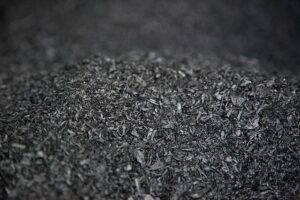
Before diving into the practicalities of biochar production, it is essential to comprehend what biochar fundamentally represents. Biochar is produced through the pyrolysis of organic materials, which involves exposing biomass to high temperatures in an oxygen-limited environment. This process transforms the biomass into a stable form of carbon, which can persist in the soil for hundreds, if not thousands, of years.
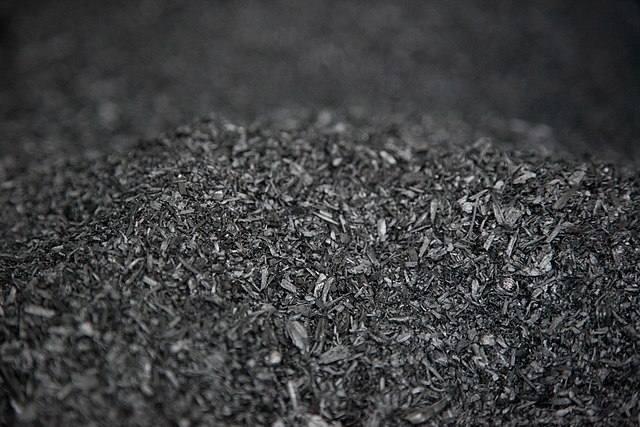
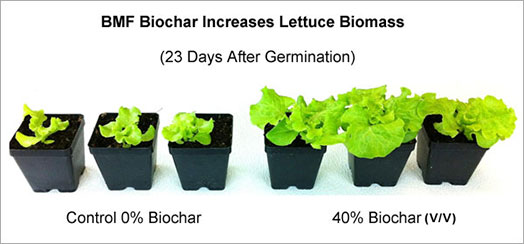
The resulting biochar is known for its myriad benefits, including enhancing soil aeration, retaining moisture, providing habitat for beneficial microorganisms, and optimizing nutrient availability. The allure of biochar lies not just in its efficacy, but also in its potential to mitigate climate change by storing carbon that would otherwise be released into the atmosphere.
The Necessity of Simplicity: Why Make Biochar Without a Kiln?
For many keen gardeners and environmentally conscious individuals, the thought of constructing or purchasing a kiln can seem daunting. Moreover, the resources—both financial and temporal—associated with traditional kilns can be prohibitive. Therefore, exploring alternative methods that facilitate the production of biochar without these complex setups can open up pathways for numerous enthusiasts.
Making biochar at home allows for a sustainable approach to waste management by converting organic waste into a valuable commodity. This method is not only user-friendly but also significantly reduces dependence on industrial solutions.
Methods for Creating Biochar Without a Kiln
The beauty of producing biochar lies in the plethora of methods available that one can employ without the need for a kiln. Below are several techniques catering to different preferences and circumstances.
1. Pit Method
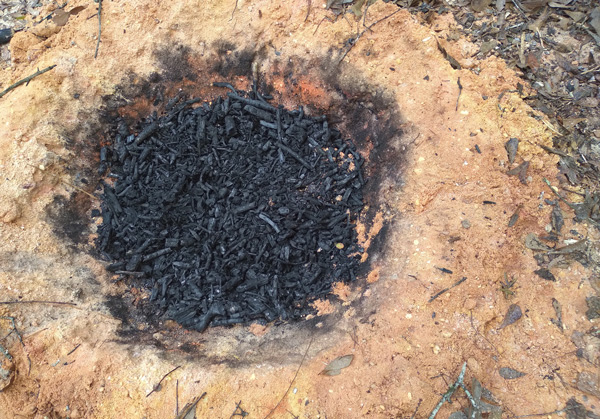
The pit method is one of the most straightforward approaches to making biochar and is particularly effective for small batches. By digging a shallow pit and filling it with organic material, such as wood chips, branches, or agricultural residues, you can construct a small pyrolysis environment. Cover the top with soil or leaves to limit oxygen flow, then ignite. The heat will carbonize the material while keeping it smoldering.
Ensure proper management while the material burns, as this method can produce smoke. It’s crucial to monitor the burn to prevent complete combustion, as the goal is to create char rather than ash.
2. Drum Method
If digging a pit isn’t feasible, the drum method serves as an excellent alternative. Using a metal barrel, make a few small holes in the lid and sides for venting. Fill the drum with selected biomass and light it from the top. As the flames burn downward, the heat will carbonize the materials below, producing biochar efficiently.
This method ensures that the biochar produced is finer and can be more easily mixed into garden soil. However, be mindful of the smoke and ensure that the burning is managed to achieve optimal carbonization.
3. The Top-Lit Updraft (TLUD) Method
The TLUD method is an innovative technique developed for efficient biomass burning. This approach involves stacking organic materials in a vertical manner, allowing the fire to burn from the top down. A simple, homemade TLUD can be constructed from a series of fire bricks or a metal structure to support the biomass.
Using this method, air enters from the bottom, fueling a controlled burn while minimizing unwanted emissions. The end result is a compact and highly effective biochar that can also help in reducing overall combustion time.
Considerations for Starting Your Biochar Journey
When embarking on your biochar creation journey, there are several key considerations:
- Material Choice: The type of biomass used can significantly affect the quality of biochar. Hardwoods generally produce higher-quality char than softwoods, and incorporating diverse materials can enhance nutrient profiles.
- Moisture Content: The moisture content of the biomass should ideally be low. Wet materials will produce steam, potentially leading to incomplete carbonization.
- Safety Precautions: Fire management is paramount. Adhere to local regulations regarding open burning, and ensure to have tools like water or sand nearby to manage flames.
The Benefits of Home-Made Biochar
Producing your own biochar offers numerous advantages. Economically, it reduces your need for commercial fertilizers and soil conditioners while recycling waste materials effectively. Environmentally, it contributes to a decrease in greenhouse gas emissions associated with waste disposal.
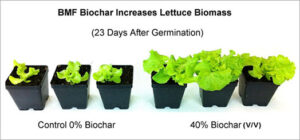
Additionally, using biochar can lead to healthier soil ecosystems. Numerous studies suggest that biochar not only enhances soil fertility but also leads to improved plant health and yield, further augmenting your gardening endeavors.
Conclusion
Embarking on the journey of making small batches of biochar without a kiln is not only feasible but can also be profoundly rewarding. Whether utilizing the pit method, the drum approach, or the innovative TLUD technique, the potential to create a valuable soil amendment at home is an enriching experience. By nurturing this process, you participate in a sustainable cycle of waste reduction while bolstering the health of your garden and positively impacting the environment. So, gather your materials and ignite your biochar-making adventure today!