Biochar is emerging as a pivotal player in the sustainable agriculture and waste management sectors, promising to revolutionize our approach to carbon sequestration and soil health. Its transformative properties offer a multifaceted array of benefits, catching the eye of manufacturers and suppliers alike. As we delve into the world of biochar, we will uncover the intricacies of its production, the myriad applications it supports, and the key players involved in this burgeoning industry.
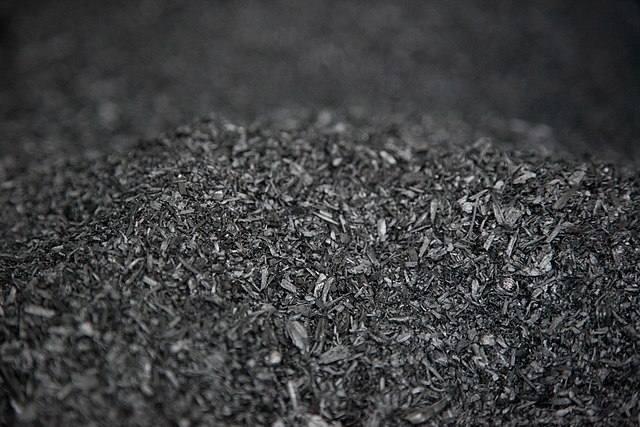
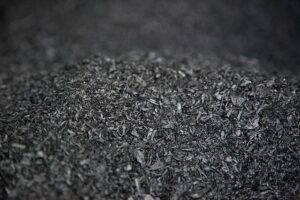
At its core, biochar is a stable form of carbon produced through pyrolysis—a thermochemical process that decomposes organic material under heated conditions in the absence of oxygen. This process not only yields a rich, nutrient-laden substance that can amend soil, but it also effectively locks carbon away, playing a critical role in mitigating climate change. As the global community grapples with the pressing challenge of reducing greenhouse gas emissions, biochar emerges as a viable solution, promising a dual advantage: improving soil fertility and promoting environmental sustainability.
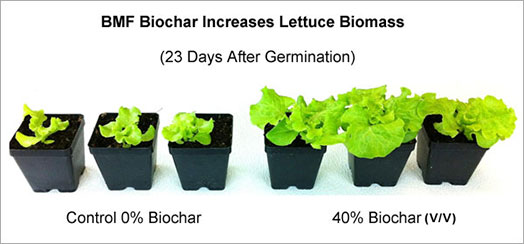
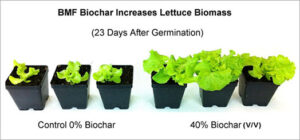
The appeal of biochar lies in its versatility. Farmers and agronomists find value in its ability to enhance crop yield by improving soil structure, increasing water retention, and providing a habitat for beneficial microorganisms. This rich matrix of benefits alters the soil’s physical and chemical properties, fostering a healthier ecosystem. Beyond the realm of agriculture, biochar finds applications in waste management; converting organic waste into biochar generates valuable carbon-rich material while simultaneously reducing waste volume and associated emissions.
The landscape of biochar manufacturers and suppliers is as diverse as the uses of biochar itself. A myriad of companies has sprung up, each adopting unique approaches to production, sourcing, and distribution. Some focus on the granularity of the biochar product, catering to specific agricultural practices, while others may adopt a more generalized distribution model, providing bulk materials to municipalities and organizations engaged in land reclamation efforts.
Among the notable manufacturers, several stand out for their innovative techniques and sustainability practices. Many companies engage in responsible sourcing, utilizing agricultural waste, forestry residues, or biomass that might otherwise contribute to methane emissions if left to decompose. By capitalizing on these waste streams, these manufacturers not only create a valuable product but also contribute to an efficient circular economy. They demonstrate how waste management and sustainability can intersect harmoniously, setting an example for other industries to emulate.
Effective suppliers in the biochar market understand the importance of tailored solutions. Depending on the target agronomic practice—be it organic farming, permaculture, or conventional agriculture—different formulations of biochar may be required. These formulations can vary in terms of particle size, ash content, and specific nutrient profiles. As a consequence, communicating the unique benefits and specifications of their products becomes paramount for suppliers, fostering strong relationships with farmers and agricultural consultants.
In addition to traditional agricultural applications, biochar’s role in enhancing water quality through stormwater management is garnering attention. By infiltrating biochar into urban landscapes or using it in constructed wetlands, municipalities can reduce nutrient runoff and promote cleaner waterways. This multi-dimensional function amplifies the utility of biochar, fueling further interest from innovative suppliers keen on expanding its applicability beyond the farm and into urban planning.
The market dynamics surrounding biochar are evolving rapidly. With increasing demand for sustainable solutions, the development of biochar production technologies is advancing at an unprecedented pace. Emerging companies are integrating artificial intelligence and machine learning to optimize pyrolysis processes, enhance efficiency, and ensure consistent product quality. Such technological advancements present an exciting frontier for biochar manufacturers, who are constantly seeking a competitive edge.
Furthermore, regulatory measures are beginning to take shape, encouraging the adoption of biochar as an approved soil amendment. Government incentives and grants for sustainable practices bolster the likelihood of biochar becoming a mainstream agricultural product. Suppliers who are proactive in navigating this regulatory environment will undoubtedly gain a significant foothold, positioning themselves as leaders in the sustainable agriculture movement.
In terms of collaboration, the biochar industry thrives on partnerships that span academic institutions, research organizations, and agricultural cooperatives. These collaborations foster innovation and facilitate the dissemination of knowledge regarding best practices, application techniques, and comparative studies on biochar performance in different soil types and climatic conditions. Such synergies also catalyze the accumulation of compelling data, highlighting the tangible benefits of integrating biochar into agricultural systems.
As stakeholders—from manufacturers to end-users—continue to recognize the multifaceted benefits of biochar, its reputation is likely to burgeon. It not only embodies a method for enhancing soil resilience and fertility but also acts as a powerful tool in our collective fight against climate change. Although challenges remain in scaling production and ensuring consistent quality, the ongoing innovations among biochar manufacturers and suppliers present promising avenues for expansion and adoption in diverse sectors.
In conclusion, the biochar revolution is not merely about improving soil or reducing emissions; it is about reshaping our interaction with the environment, reimagining agricultural practices, and cultivating a more sustainable planet. As the narrative around biochar continues to unfold, its manufacturers and suppliers stand ready to lead the charge, turning the concept of waste into wealth while enhancing ecosystems worldwide. The possibilities are vast, and the journey has only just begun.