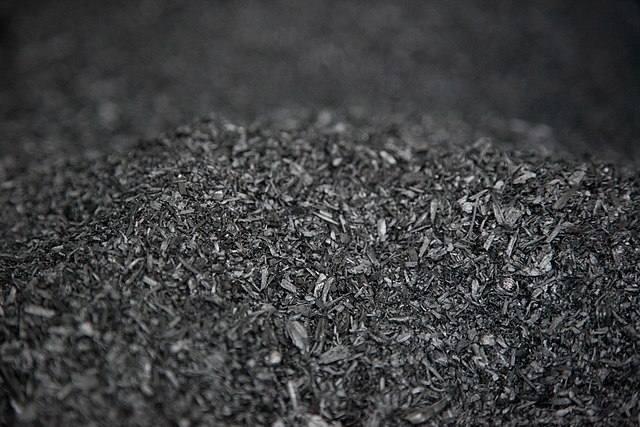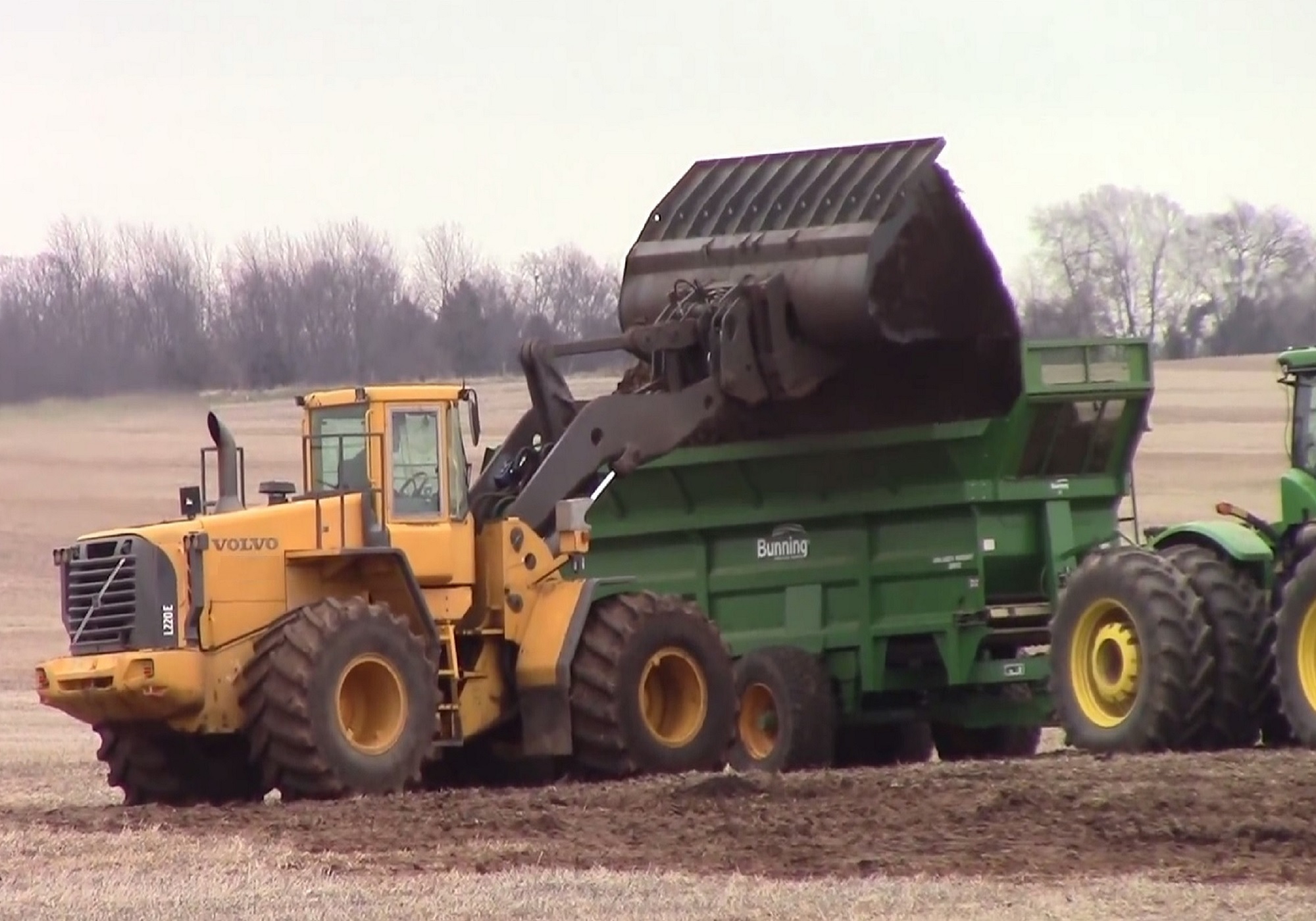
Biochar, a remarkable carbon-rich material born from the pyrolysis of organic matter, emerges as a paragon of sustainable agricultural innovation. It presents a fascinating solution to some of modern agriculture’s most pressing challenges, contributing richly to soil health and carbon sequestration. Particularly intriguing is the use of manure-based feedstocks in the biosynthesis of biochar—a process that transforms what might be deemed waste into a resource brimming with potential.
Unlike conventional fertilizers that tend to provide a quick burst of nutrients, biochar offers a more nuanced and deliberate approach to soil enhancement. It embodies a slow, gradual release of nutrients, allowing crops to sip from a well rather than gulping from a rapidly depleting reservoir. This steady release of nutrients acts as a catalyst for microbial growth, fostering a symbiotic relationship between the soil and its regenerators—plants and organisms that thrive within its rich tapestry.
At the core of this process lies manure, often maligned and overlooked. Traditionally perceived as a burden or nuisance, when harnessed as a feedstock for biochar, it undergoes a remarkable metamorphosis. This alchemical shift transforms raw, nutrient-rich dung into a stable, versatile product that enhances soil structure, increases water retention, and mitigates the adverse effects of soil acidity. Much like an artist who transforms scrap materials into a masterpiece, manure-based biochar represents a second act for nature’s leftovers.
The pyrolysis process is akin to an ancient ritual, where organic materials are subjected to intense heat in the absence of oxygen. Under these conditions, the carbon content of manure becomes substantially concentrated, thereby creating biochar. This mechanism not only stabilizes carbon but also reduces the emission of harmful greenhouse gases that would otherwise ensue during decomposition. Thus, by converting manure to biochar, we stave off the specter of atmospheric carbon and contribute to combating climate change.
Manure-based feedstocks engender a diverse array of benefits, beginning with enhanced nutrient availability and retention in the soil. The porous nature of biochar allows it to act as a sponge, retaining moisture and nutrients that would otherwise be leached away by rainfall or irrigation. Each granule functions like a tiny reservoir, ready to release its bounty into the waiting roots of plants. This unique capacity for water retention is particularly invaluable in regions prone to drought, where traditional farming methods often falter.
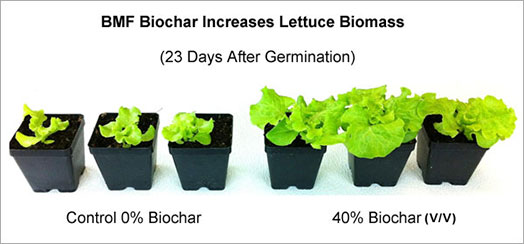
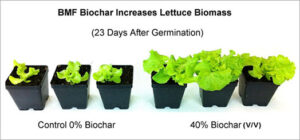
In addition to improving physical characteristics, biochar derived from manure also fosters a thriving microbiological ecosystem. Soil microorganisms, upon encountering the rich habitat that biochar provides, flourish in abundance. This resurgence of beneficial bacteria and fungi leads to enhanced nutrient cycling, ultimately resulting in more robust plant growth. The relationship is mutually reinforcing, as the plants exude root exudates that nourish the microbes, while the microbes facilitate nutrient uptake for the plants—a beautiful display of interdependence.
The unique properties of manure-based biochar extend to its alleviation of environmental issues. With its capacity to bind heavy metals and toxins, biochar serves as a powerful deterrent to soil contamination. By sequestering harmful substances, biochar not only improves soil health but also protects the surrounding ecosystem from the deleterious impacts of polluted soils. It functions as a buffer, safeguarding plants from the perils of environmental toxins, while simultaneously inviting biodiversity to flourish.
Moreover, the implications for waste management are profound. Converting manure into biochar can effectively alleviate the problems associated with manure disposal, mitigating the environmental hazards posed by nutrient runoff and greenhouse gas emissions. By wielding the power of pyrolysis, we can transmute a smelly liability into a valuable asset—yielding not only ecological benefits but also economic opportunities for farmers looking to innovate sustainably.
In the grand tapestry of sustainable agriculture, manure-based biochar shines as a luminary—a testament to the potential of transforming organic waste into treasures that revitalize our soils. Its multifaceted appeal lies not only in its practicality or efficacy but in the poetic transformation it inspires. Imagine the farmer, once burdened by the weight of manure, now standing triumphant as an alchemist—transforming waste into fertility, desolation into abundance.
As conscious stewards of the earth, we must acknowledge the potential inherent in the humble manure-based feedstock. This newfound appreciation calls not only for innovative applications of biochar but also for an expansive investigation into the synergies between agriculture, waste management, and climate resilience. The path ahead brims with possibilities, and as we embark on this journey, we find ourselves at the confluence of ecological sustainability and agricultural productivity.
In summation, biochar created from manure encompasses a hallmark for regeneration within agriculture. It heralds a shift towards a more circular economy, where waste is not simply discarded but revered as a vital resource. By unlocking the latent potential of manure, we can weave a narrative of sustainability—one where soils are nurtured, ecosystems are preserved, and the agricultural landscape flourishes. As we plant the seeds of innovation, let us cherish the rich tapestry brought forth through this transformative journey, for within it lies the promise of a more sustainable and bountiful future.