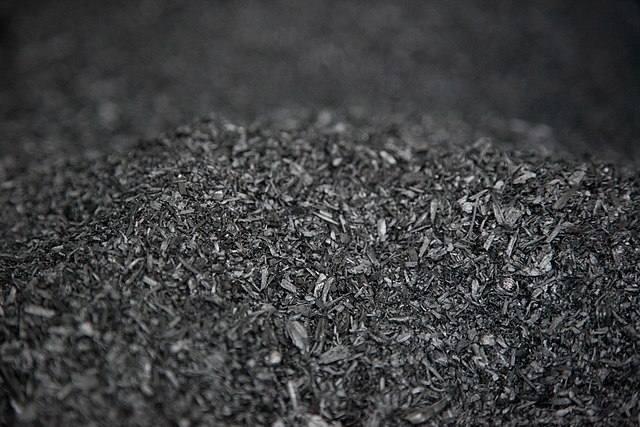
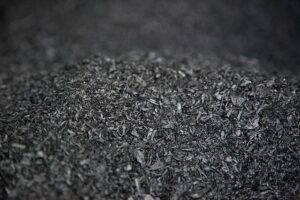
In the realm of sustainable agriculture and environmental stewardship, biochar emerges as a beacon of innovation, promising to revolutionize how we perceive and utilize soil amendments. Born from the combustion of organic material in a low-oxygen environment, biochar offers numerous benefits, particularly its propensity to augment microbial activity. This enhancement is not merely a side effect; it is a central feature that can catalyze ecological restoration and agricultural sustainability. As we delve into the multifaceted relationship between biochar and microbial ecosystems, we uncover an intriguing narrative of balance, resilience, and potential.
At its essence, biochar is a form of carbon sequestration, capturing carbon dioxide from the atmosphere and embedding it in a stable structure within the soil. This carbon permanence is crucial as it mitigates greenhouse gas emissions while simultaneously enhancing soil quality. Yet, the magic of biochar transcends these environmental benefits; it fosters a vibrant community of microorganisms that play a pivotal role in nutrient cycling, soil health, and plant growth. But how does this process occur?
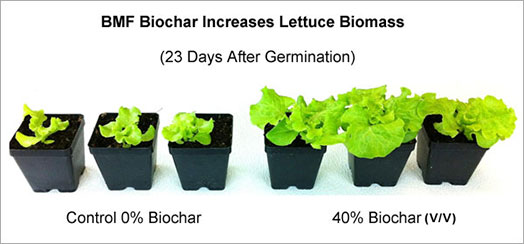
The introduction of biochar into the soil serves as a habitat for beneficial microorganisms. Its porous structure provides vast surfaces for microbial colonization, thus creating a microcosm teeming with life. As bacteria, fungi, and archaea establish themselves within these channels, they contribute to a diverse food web. This newfound biodiversity leads to increased resilience against pathogens, enhancing plant health and productivity.
Moreover, biochar acts as a facilitator for nutrient retention. It has a high cation exchange capacity (CEC), which means it can hold and supply essential nutrients such as nitrogen, phosphorus, and potassium. Microorganisms thrive in environments rich in nutrients, and as they proliferate due to the trove of available resources, they engage in symbiotic relationships with plants. This symbiosis manifests in improved nutrient uptake and overall plant vigor, demonstrating a nexus between biochar and enhanced microbial activity.
The diversity of microbes that biochar supports is equally notable. Different microbial species possess unique roles: some are nitrogen-fixers, while others are involved in decomposition or pathogen resistance. By bolstering these populations, biochar doesn’t merely amplify existing microbial functions; it stimulates innovation at the microbial level. Such innovation may lead to the development of novel metabolic pathways or interactions that were previously absent, driving new forms of nutrient cycling and organic matter decomposition.
Another compelling aspect of biochar’s influence on microbial activity is its ability to mitigate harmful pathogens. The porous nature of biochar offers not only a habitat for beneficial organisms but also limits the space available for detrimental ones, effectively reducing pathogen prevalence. Additionally, certain biochar types may even display bioactive properties that inhibit specific pathogens, creating a protective layer for plant roots. This delicate balance illustrates biochar’s role as both a facilitator and protector within soil ecosystems.
The physiological changes within microbial communities owing to biochar application are profound. Microorganisms are sensitive indicators of soil health, and their response to biochar is often immediate and multifaceted. Increased microbial biomass and enzyme activity indicate a thriving community actively engaged in organic matter breakdown and nutrient cycling. Such dynamic activities are essential for maintaining soil fertility over time, thereby aligning with sustainable agricultural practices.
However, it is essential to recognize that the effects of biochar are not universally benign; they depend on various factors, including the feedstock source, pyrolysis conditions, and soil type. Thus, understanding the ecological context is paramount. In some instances, biochar can compete with native microorganisms for space and resources, leading to shifts in community composition. Thus, a nuanced approach is required to harness biochar’s potential while mitigating potential downsides.
As excitement continues to build around biochar, intriguing research questions emerge. What specific microbial taxa flourish in diverse biochar environments? How can biochar selection be optimized to tailor microbial responses for specific agricultural contexts? The future of biochar is not just about its application but also the intricate web of interactions between carbon, soil, and life. By uncovering these relationships, we can refine agricultural practices, enhance ecosystem services, and confront pressing environmental challenges.
In conclusion, the relationship between biochar and microbial activity invites a transformation in our understanding of soil health and fertility. By fostering vibrant microbial communities, biochar acts not simply as an amendment but as a catalyst for ecological resilience. This perspective shift encourages a reevaluation of agricultural systems towards sustainability and regenerative practices. As we continue to explore the remarkable potential of biochar, one cannot help but feel a sense of optimism—a belief in not only a healthier planet but also a sustainable future grounded in thriving ecosystems. The journey ahead is filled with potential, waiting to be explored.