In recent years, a growing compendium of research has illuminated the impressive potential of biochar, a carbon-rich product derived from biomass through pyrolysis. Its emergence in sustainable agriculture has garnered attention for its remarkable ability to improve soil health, enhance moisture retention, and sequester carbon. Among the various methodologies associated with its application, mixing and tilling stand out as paramount techniques that facilitate the integration of biochar into agricultural practices. This article aims to explore the intricate relationship between these techniques and the myriad benefits they render.
To fully comprehend the importance of mixing and tilling biochar, we must first delve into its composition and ecological benefits. Biochar is predominantly composed of carbon, along with other nutrients and minerals, making it a unique amendment that enhances soil fertility. When mixed into the soil, it plays a multifaceted role, acting as a habitat for beneficial microorganisms, improving the cation exchange capacity, and promoting nutrient availability. This rich matrix of benefits has piqued the interest of agronomists and environmentalists alike, each captivated by biochar’s dual capacity to enhance agriculture and mitigate climate change.
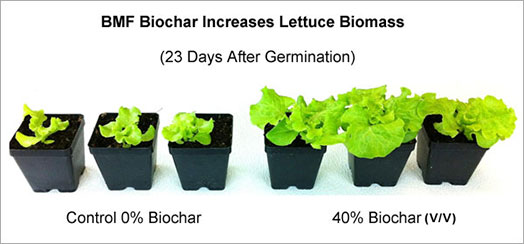
One significant observation surrounding biochar application is the common misperception that simply adding it to soil will yield immediate results. However, this is a misleading notion. The true efficacy of biochar is realized when it is deliberately mixed with the soil and uniformly distributed. This is where tilling enters the equation as an indispensable practice. Tilling disrupts the soil structure, facilitating the thorough integration of biochar into the topsoil. This process not only enhances the physical properties of the soil but also encourages microbial colonization, which is crucial for long-term sustainability and productivity.
By employing tilling in conjunction with biochar application, farmers and land managers can address several persistent agricultural challenges. Soil compaction, for instance, is a prevalent issue that can hinder root development and water infiltration. Tilling allows for the alleviation of compacted layers, providing the perfect environment for biochar to showcase its benefits. As it breaks down, biochar increases porosity, which improves aeration and water retention while facilitating root access to vital nutrients.
Moreover, the intricate dynamics of soil biodiversity are profoundly influenced by the incorporation of biochar. Studies have demonstrated that biochar amendments can enhance the diversity and activity of soil microbes. This is particularly crucial in the context of maintaining soil health. Healthy soil is teeming with life and is characterized by a rich tapestry of microorganisms, each playing a specific and critical role in nutrient cycling and organic matter decomposition. Hence, the mixing and tilling of biochar create an ecosystem where beneficial microorganisms can thrive, ultimately resulting in enhanced soil resilience.
In evaluating the impact of biochar on soil chemistry, we find that it exhibits remarkable properties related to nutrient retention. Many conventional fertilizers are prone to leaching, particularly in sandy soils or climates characterized by heavy rainfall. However, when mixed with biochar, nutrients become more stable and available to plants. This characteristic is attributed to the porous nature of biochar, which functions akin to a sponge, holding onto essential nutrients and gradually releasing them into the rhizosphere. Consequently, farmers can reduce their reliance on chemical fertilizers, promoting a more sustainable farming approach while also diminishing the risk of nutrient pollution in nearby waterways.
Addressing the practicality of biochar application requires an acknowledgment of the techniques involved in mixing and tilling. There are various methods to achieve a well-distributed application, from simple hand mixing for small gardens to mechanized solutions for larger agricultural operations. For example, using a rotary tiller can incorporate biochar effectively into the topsoil, while minimizing soil disturbance. This attention to method can enhance the biochar’s impact, ensuring that it is not only visible but intricately bound to the soil matrix.
Despite the myriad advantages of biochar, it’s essential to consider the selection of the appropriate feedstock used for its creation. The origin of the biomass can influence the properties of the resultant biochar. Different feedstocks yield varying nutrient profiles, which can markedly affect the outcomes observed in soil when mixed and tilled. Thus, conscious choices regarding the source of biomass are crucial in harnessing the full benefits of biochar, making localized assessment a significant component of sustainable practices.
Another layer to this complex relationship is the potential impact of biochar on greenhouse gas emissions. When incorporated through mixing and tilling, biochar can significantly reduce nitrous oxide emissions during the decomposition of organic matter. This diminishes one of the more potent greenhouse gases contributing to climate change. Hence, biochar not only serves as a soil amendment but also as a tool for carbon sequestration—offering a win-win solution for both agriculture and environmental stewardship.
In conclusion, the fusion of biochar with mixing and tilling techniques embodies a rich tapestry of ecological and agricultural benefits. These methods are not merely physical acts; they represent a holistic approach to improving soil health, fostering biodiversity, and addressing climate change. As agronomists, environmentalists, and farmers alike explore innovative ways to cultivate the land sustainably, biochar stands as a beacon of hope—a testament to the profound impact that informed agricultural practices can have on both our environment and food systems. Engaging deeply with these practices allows for a future rich in ecological resilience and agricultural productivity, propelling us toward a more sustainable tomorrow.