Biochar has garnered significant attention in recent years, emerging as not only a potential remedy for soil degradation but also as a valuable resource in combating climate change. As society increasingly strives for sustainable solutions to pressing environmental issues, the development of nanobiochar—an innovative refinement of traditional biochar—has captured the imagination of researchers and ecological enthusiasts alike. This article delves into the multifaceted world of nanobiochar, exploring its origins, properties, applications, and the profound implications of its usage.
Understanding Biochar
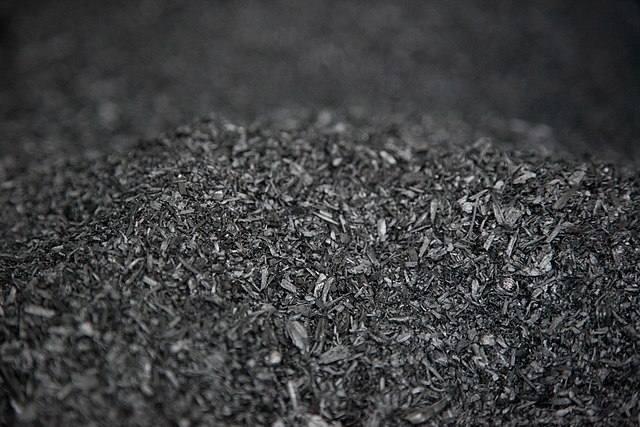
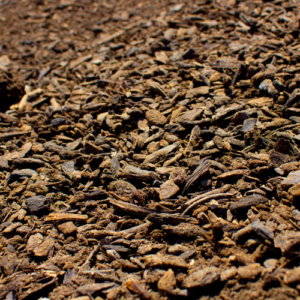
At its core, biochar is a carbon-rich material produced through pyrolysis, a process that thermally decomposes organic matter in the absence of oxygen. Its genesis can be traced to ancient agricultural practices, particularly in the Amazon basin, where indigenous cultures adopted the use of charcoal to enhance soil fertility. This ancient wisdom, combined with modern scientific validation, reveals biochar’s capacity for improving soil health, sequestering carbon, and mitigating greenhouse gas emissions.
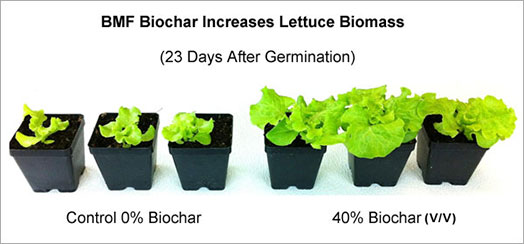
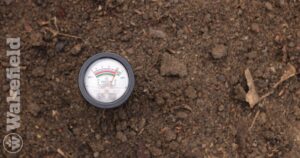
Biochar effectively increases soil porosity, enhances moisture retention, and provides a habitat for beneficial microorganisms. Its ability to adsorb nutrients such as nitrogen, phosphorus, and potassium leads to improved fertility and crop yield, making it a compelling option for both conventional and sustainable agriculture. With increasing global awareness surrounding soil degradation and food security, the resurgence of interest in biochar is well-founded.
The Emergence of Nanobiochar
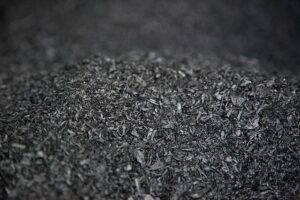
Nano-sized particles—typically defined as dimensions between 1 and 100 nanometers—exemplify a frontier in materials science. Enter nanobiochar, a novel subclass of biochar engineered to have significantly reduced particle size without compromising the chemical and physical advantages of its parent material. This miniature iteration offers a myriad of innovative applications owing to its enhanced surface area and reactivity.
The process of creating nanobiochar typically involves the mechanical grinding or the chemical/physical modification of traditional biochar. This refinement amplifies the interactions between nanoparticles and their surroundings, paving the way for potentially groundbreaking uses across various sectors, including agriculture, medicine, and environmental remediation.
Properties of Nanobiochar
One of the most fascinating characteristics of nanobiochar is its increased surface area, which can enhance its adsorption capabilities. The greater surface-to-volume ratio allows nanobiochar to interact more effectively with soil particles and pollutants. It possesses a high cation exchange capacity, which enhances its ability to retain nutrients in agricultural soils—this property is especially pivotal in the context of nutrient management.
Moreover, the porous structure of nanobiochar not only aids in moisture retention but also serves as a habitat for soil microbes, supporting diverse and thriving ecosystems. The smaller particle size enables nanobiochar to penetrate the soil matrix more easily, facilitating its incorporation into various soils and allowing for rapid integration into existing systems.
Applications of Nanobiochar
The versatility of nanobiochar lends itself to numerous applications, notably in the following domains:
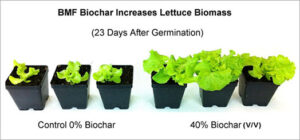
1. Agriculture: Nanobiochar has the potential to revolutionize modern farming practices. By improving soil fertility and structure, it can provide crops with essential nutrients while minimizing the need for chemical fertilizers. This not only augments yield but also contributes to reduced environmental impacts.
2. Environmental Remediation: The unique properties of nanobiochar make it an ideal candidate for treating contaminated soil and water. Its adsorption capabilities can effectively capture heavy metals, pesticides, and other pollutants, thereby cleaning up degraded ecosystems and restoring ecological balance.
3. Carbon Sequestration: Given its carbon-rich composition, nanobiochar acts as a carbon sink, sequestering carbon dioxide and preventing its reentry into the atmosphere. This aspect is critical in addressing climate change, as the reduction of greenhouse gases is paramount to mitigating global warming.
4. Medicine and Health: The biomedical potential of nanobiochar is particularly promising. Research is exploring its application in drug delivery systems, biosensors, and tissue engineering. Its biocompatibility and high surface area may facilitate the development of novel therapeutic approaches.
Challenges and Considerations
While the prospects of nanobiochar are thrilling, challenges still remain. The production process and costs associated with creating nanobiochar can be prohibitive, potentially limiting its widespread adoption. Furthermore, the long-term effects of introducing nanomaterials into the environment raise questions and necessitate thorough risk assessments to ensure ecological safety.
Conclusion: The Fascination with Nanobiochar
The growing interest in nanobiochar can be attributed not only to its multifarious applications but also to the deeper implications it holds for the future of sustainable practices. Its potential to address soil degradation, improve food security, remediate environmental pollutants, and sequester carbon positions nanobiochar as a pivotal player in a green revolution.
As scientists unravel the complexities of nanobiochar, society stands on the cusp of a transformative era—where ancient wisdom meets cutting-edge technology, leading to potentially groundbreaking solutions to some of the most pressing challenges of our time. The path forward is laden with curiosity, and as research progresses, the anticipation of discovering new dimensions of nanobiochar continues to captivate the scientific community and environmental advocates alike.