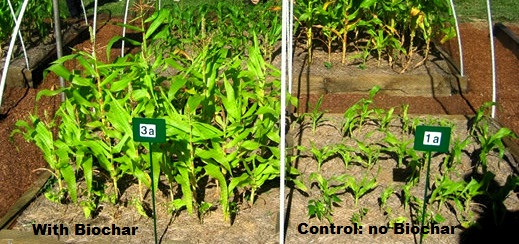
Preparing biochar as a soil amendment is akin to crafting a fine wine—both a science and an art, steeped in tradition yet ripe for innovation. Much like the intricate dance between terroir and technique in winemaking, the preparation of biochar is crucial for unlocking its potential to revitalize soil health. Rich in carbon and porous in structure, biochar offers a myriad of benefits, acting as a sponge for nutrients while simultaneously enhancing soil aeration. In this exploration, we delve into effective techniques for preparing biochar that can elevate your gardening or farming endeavor.
The Essence of Biochar: Understanding Its Genesis
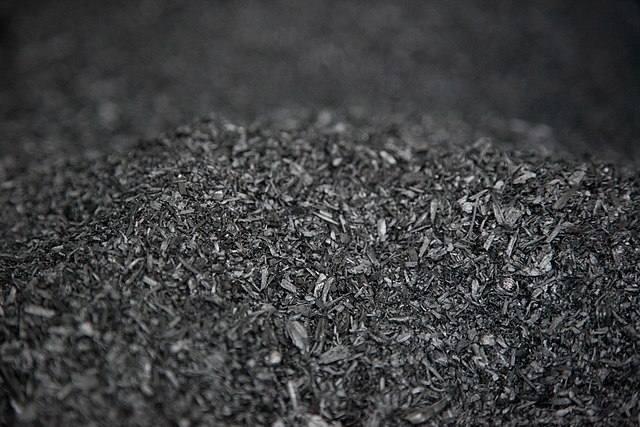
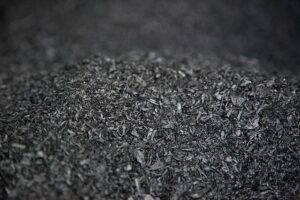
To appreciate the preparation of biochar, one must first understand its genesis. Biochar is produced through pyrolysis, a thermochemical process that decomposes organic material in the absence of oxygen. Think of it as an alchemical transformation where raw biomass—like wood chips, agricultural waste, or even manure—is transfigured into a stable form of carbon. This captivating metamorphosis not only sequesters carbon but also enriches the soil with vital nutrients.
Choosing the Right Feedstock: The Foundation of Biochar
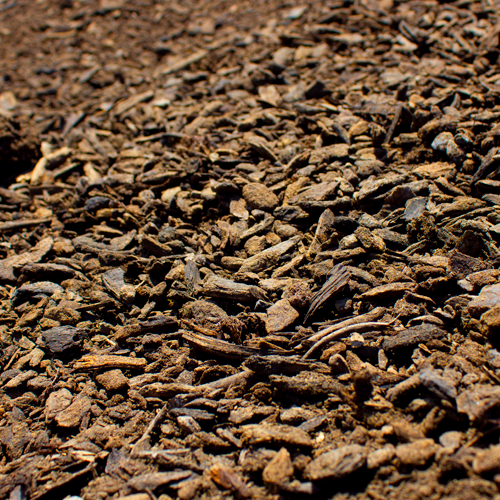
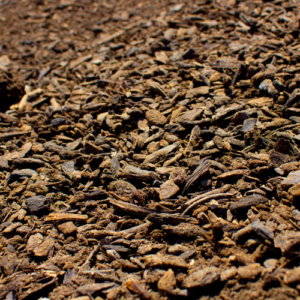
The path to successful biochar begins with selecting the right feedstock. Each type of biomass contributes distinct attributes. For instance, hardwoods, with their dense structure, yield biochar that is high in carbon and low in volatile compounds—ideal for long-term soil amendments. Conversely, softer materials such as straw or grass produce biochar with higher nutrient content but shorter carbon lifespan. Embracing the specificity of feedstocks is akin to an artist choosing their palette; each selection shapes the final outcome.
The Pyrolysis Process: Techniques Unveiled
Once the feedstock is chosen, the heart of preparation lies in the pyrolysis process. This process can be executed using several techniques, each with its own idiosyncrasies:
- Traditional Kilns: This age-old method involves stacking biomass in a kiln, which is then ignited under controlled conditions. As the materials carbonize, volatile gases are expelled, while the remaining char is collected. Traditional kilns are often simple and inexpensive, making them accessible for small-scale producers.
- Top-Lit Updraft (TLUD) Gasifiers: TLUD systems operate by igniting biomass at the top and allowing the flames to travel downward. This creates a stratification of burning that maximizes efficiency and minimizes smoke. TLUDs can produce biochar with a more porous structure, enhancing its adsorption capabilities.
- Continuous Pyrolysis Units: For those aiming for mass production, continuous pyrolysis units operate with more sophistication. They facilitate a constant feedstock supply and use advanced controls to optimize temperature and retention time, resulting in uniform biochar output. This method is reminiscent of a well-oiled machine, providing consistency in quality.
It is essential to fine-tune the pyrolysis parameters—temperature, time, and oxygen availability—based on the desired characteristics of the biochar. Higher temperatures often yield more stable char, while lower temperatures might enhance nutrient retention.
Activation: The Key to Biochar’s Potency
Once biochar is produced, activating it can significantly increase its efficacy as a soil amendment. Activation—akin to priming a canvas before painting—can be achieved through various methods:
- Hydration and Nutrient Inoculation: Soaking biochar in nutrient-rich solutions or compost tea allows the biochar to absorb these nutrients, enhancing its nutrient-holding capacity once applied to soil. This process acts as a seasoning, infusing the biochar with a flavorful blend of nitrogen, phosphorus, and potassium.
- Composting: Melding biochar with compost not only aids in nutrient absorption but facilitates microbial colonization. This synergistic relationship fosters a microbial community that benefits plant growth, creating a microcosm of life in the soil.
Application Techniques: Integrating Biochar into Soil
- Incorporation into Soil: Tilling biochar directly into the soil is one of the most straightforward techniques. This method ensures good contact with soil particles, enabling immediate interaction with soil organisms.
- Top-Dressing: For gardeners or farmers who seek a less invasive approach, top-dressing is a viable option. Sprinkling biochar on the soil surface allows it to gradually interact with the soil through water infiltration—a process that mirrors the gentle layering of sediment in nature.
Monitoring Soil Health: Evaluating Biochar’s Impact
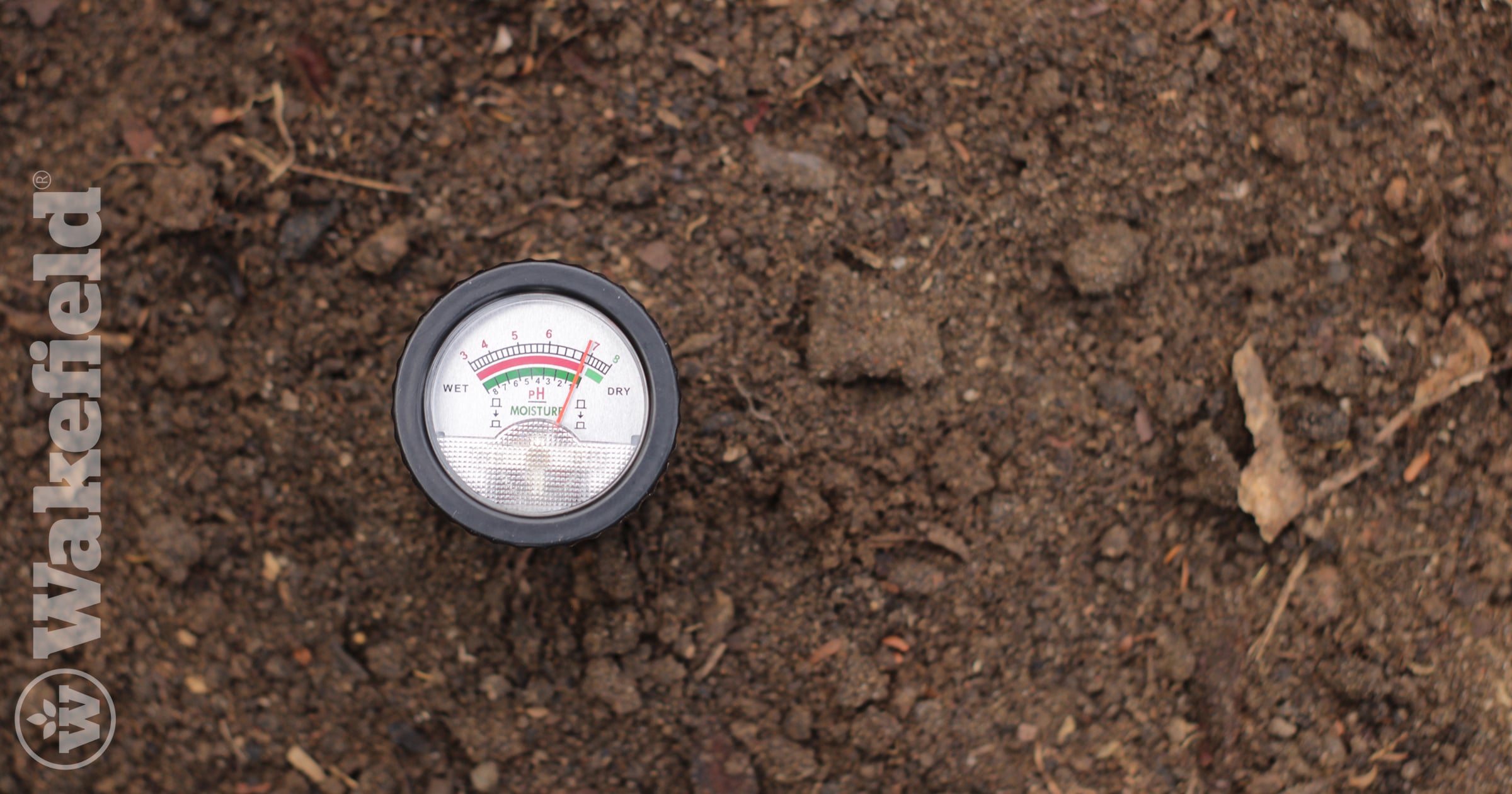
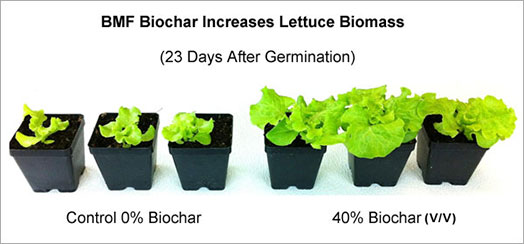
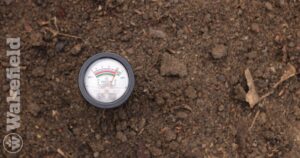
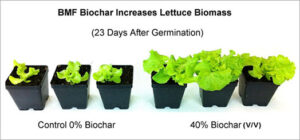
Analyses can reveal improvements in soil fertility, reduced compaction, and enhanced water retention. Such insights inform ongoing strategies, allowing for adjustments that maximize biochar’s immense potential.
Conclusion: A Luminous Pathway to Soil Revival
In conclusion, preparing biochar as a soil amendment is a multifaceted endeavor filled with complexities and nuances. Each choice—from feedstock selection to application technique—plays a significant role in unlocking the benefits of this remarkable material. Much like nurturing a garden, fostering a relationship with biochar requires patience, observation, and a touch of creativity. Embrace this luminous pathway to soil revival, and watch as your land flourishes in ways you never thought possible.