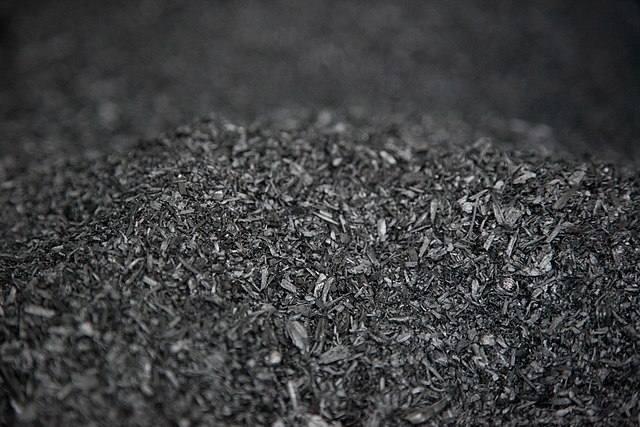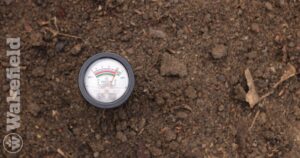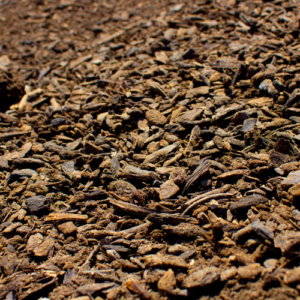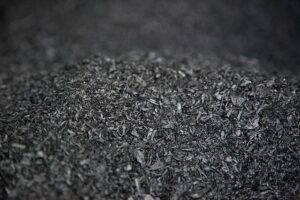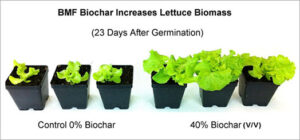
Biochar has emerged as a remarkable material that promises not only to transform how we think about soil enhancement but also to mitigate climate change, improve agricultural productivity, and promote sustainable waste management. This innovative substance, created through the pyrolysis of organic matter, has garnered significant attention from scientists, environmentalists, and farmers alike. Through this comprehensive exploration of biochar product types, we will delve into its different forms, applications, and the distinctive benefits they offer.
1. Different Types of Biochar: A Multifaceted Approach
Not all biochar is created equal; its properties vary widely depending on the feedstock used and the pyrolysis conditions applied. Understanding these variations is essential for harnessing the full potential of biochar in various applications. At its core, biochar can be categorized based on feedstock, production methods, and particular usages.
1.1 Feedstock-Based Biochar Types
The source material used to create biochar significantly influences its chemical structure and properties. Common feedstocks include:
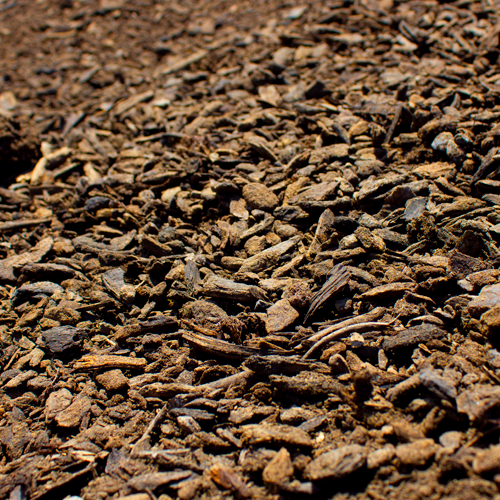
- Wood Biochar: Derived from hardwood or softwood, this type typically has high carbon content and structural stability. It is ideal for enhancing soil’s physical properties and holding moisture.
- Agricultural Residues: Crop residues, such as rice husks, wheat straw, and corn stover, can be converted into biochar. These materials often contain valuable nutrients, which can enrich the soil.
- Manure-Based Biochar: Created from livestock manure, this biochar type is rich in nutrients and beneficial microorganisms, promoting soil fertility and enhancing microbial activity.
- Municipal Waste Biochar: Utilizing organic waste from urban settings transforms refuse into valuable biochar. This approach offers an innovative solution to waste management while providing a soil amendment.
1.2 Production Method-Based Biochar Types
The method employed during pyrolysis can also yield distinct types of biochar:
- Slow-Pyrolysis Biochar: This method generally operates at low temperatures over extended periods, favoring a higher yield of biochar with more condensed carbonizing structures.
- Fast-Pyrolysis Biochar: Conducted at high temperatures in a brief time span, this approach produces a more liquid product, but the resulting biochar may contain less structural integrity.
- Gasification Biochar: By partially oxidizing biomass and producing syngas, gasification yields a biochar that may have distinctive ash content. These materials find specific applications in construction or industrial uses.
2. Application-Specific Biochar Types
Biochar serves as more than just a soil amendment; its diverse applications are an essential aspect of its value. Various applications can further categorize biochar types:
2.1 Soil Amendments: Perhaps the most common use of biochar is as a soil enhancer. It improves soil structure, increases water retention, and encourages beneficial microbial activity. Different types, like wood and agricultural residue biochar, can be finely tuned for specific soil attributes.
2.2 Carbon Sequestration Agents: Acting as a long-term carbon storage medium, biochar is a vital player in addressing global climate challenges. Its carbon-stabilizing properties allow it to sequester carbon effectively for hundreds to thousands of years, reducing greenhouse gases in the soil.
2.3 Water Filtration Media: Biochar can function as a natural filtration medium, absorbing contaminants and improving water quality. The porous structure of specific biochar types allows it to trap heavy metals and pesticides, thus finding application in wastewater treatment systems.
2.4 Energy Production: Some types of biochar, particularly those generated via gasification, act as an energy source in producing biofuels. This process can lead to a circular economy where biomass is utilized for energy and the byproduct is transformed into soil amendments.
3. Benefits of Using Biochar
Understanding the myriad benefits of biochar can certainly pique the curiosity of both farmers and environmentalists:
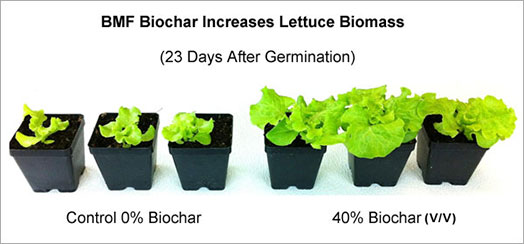
- Soil Fertility Improvement: With its ability to retain nutrients and water, biochar can lead to healthier crops and enhanced agricultural productivity.
- Climate Change Mitigation: By sequestering carbon and reducing greenhouse gas emissions, biochar contributes significantly to climate solutions.
- Waste Reduction: The transformation of biomass waste into biochar provides a sustainable approach to waste management, thus addressing the critical issue of landfill overflow.
- Biodiversity Support: Enhanced soil health can promote a diverse ecosystem of soil microorganisms and improve plant health, thus contributing to food security.
4. Conclusion: Shifting Perspectives towards Biochar
As we consider the potential of biochar products, we must embrace a paradigm shift regarding organic waste, soil health, and climate change. The innovative formulations born from this remarkable material can alter how we manage our resources, enhance food production, and address environmental concerns. Biochar is not merely a product; it represents hope for more sustainable agricultural practices and a healthier planet.
In a world increasingly grappling with ecological challenges, biochar stands as a testament to human ingenuity. Embracing its diverse applications equips us with the tools we need to make informed and innovative choices for the future.