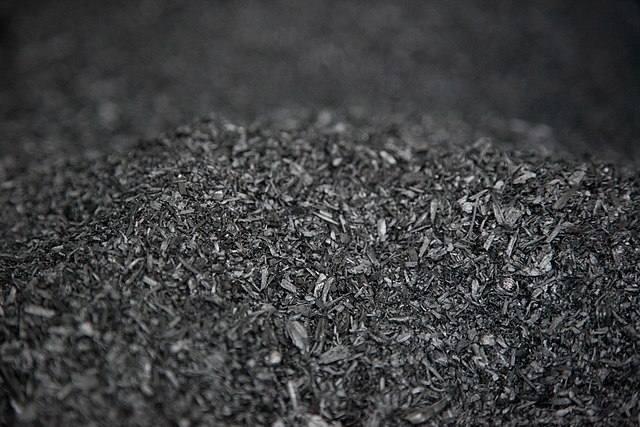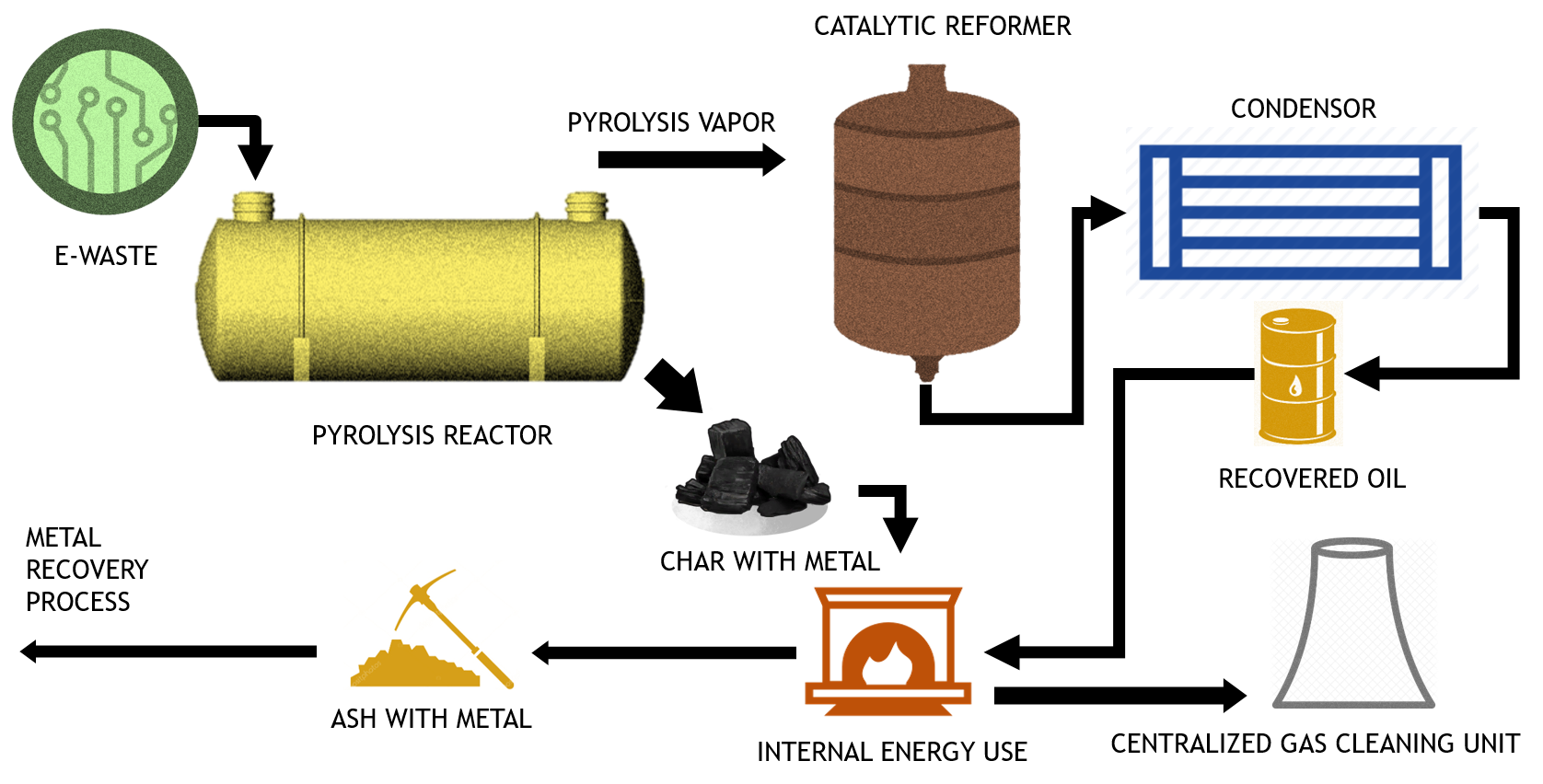
Biochar has increasingly garnered attention for its multifaceted utility in sustainable agriculture, environmental management, and carbon sequestration. As global climate challenges mount, the fascination with biochar is not merely ornamental; it reflects underlying, pressing ecological concerns that compel scientists, farmers, and environmentalists alike to explore its transformative potential. At the heart of biochar’s production lies the pyrolysis process, an intricate method that plays a critical role in maximizing its benefits.
To fully appreciate biochar, one must first delve into pyrolysis—a thermochemical decomposition of organic material at elevated temperatures, in the absence of oxygen. This process not only creates biochar but also yields bio-oil and syngas, which can be harnessed as renewable energy sources. In general, pyrolysis occurs across various temperature ranges, each producing distinct properties of biochar, optimizing it for diverse applications.
There are several methods of pyrolysis, predominantly categorized into slow pyrolysis, fast pyrolysis, and intermediate pyrolysis. Each methodology exhibits unique operational parameters and end products that cater to different environmental and agricultural needs.
Slow Pyrolysis
Slow pyrolysis is characterized by extended residence time and lower heating rates, typically operating at temperatures between 300°C and 500°C. This method yields a high-carbon biochar product, with an elevated degree of stability, making it ideal for soil enhancement and carbon sequestration. The retentiveness of the char produced allows it to persist in the soil for centuries, acting as a formidable ally against climatic fluctuations. In the realm of regenerative agriculture, the introduction of biochar from slow pyrolysis forms a symbiotic relationship with the earth, improving soil structure and nutrient retention.
Fast Pyrolysis
Conversely, fast pyrolysis operates at higher temperatures—about 450°C to 600°C—with rapid heating and limited residence time. The primary objective of this method is to maximize the production of bio-oil and syngas, whilst obtaining a comparatively lower yield of biochar. Fast pyrolysis is particularly advantageous for energy generation since it provide valuable liquid fuels that can further diminish dependence on fossil fuels. The biochar produced, albeit at a lower quantity, possesses unique characteristics that enhance its use in varied applications, such as pollutant remediation and agricultural amendments.
Intermediate Pyrolysis
As the name suggests, intermediate pyrolysis presents a hybrid approach that bridges the gap between slow and fast pyrolysis, generally operating between 300°C and 450°C. This method is gaining prominence due to its capability of yielding an economically favorable balance of biochar, bio-oil, and syngas, capitalizing on the advantages of both extremes. The versatility afforded by intermediate pyrolysis can be particularly useful in decentralized biochar production systems, where both carbon-rich byproducts and energy can be utilized in local contexts, fostering self-sustaining communities.
Feedstock Diversity
The feedstock employed in the pyrolysis process significantly influences the attributes of the biochar produced. Various organic materials, from agricultural residues—such as straw and wood chips—to urban waste products—such as yard waste and municipal solid waste—can be transformed into value-added products through pyrolysis. The notable transformations that occur during pyrolysis depend on factors including the chemical composition of feedstock and the parameters set within the pyrolysis environment.
Unique characteristics of the produced biochar are intricately tied to its feedstock origins. For instance, biochar derived from hardwoods tends to exhibit higher carbon content and lower nutrient levels in comparison to that produced from softwoods or agricultural residues. An analysis of feedstock reveals a broader narrative: the integration of various materials into pyrolysis processes can promote circular economies that mitigate waste while producing valuable resources.
Applications in Agriculture
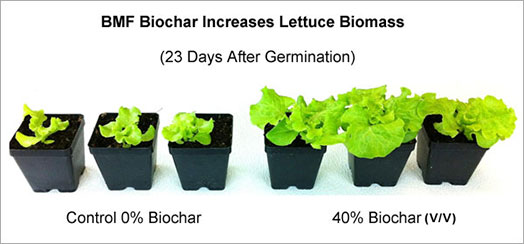
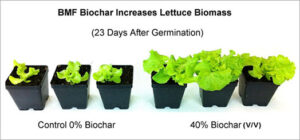
The application of biochar in agriculture serves as one of the primary motivations behind pyrolysis interest. Farmers incorporating biochar into soils can partake in enhanced nutrient availability, increased microbial activity, and improved soil aeration. Research suggests that the porosity of biochar provides a habitat for beneficial microorganisms, which can lead to enhanced soil fertility and reduced dependency on chemical fertilizers.
Moreover, biochar has demonstrated its prowess in carbon sequestration; studies indicate that its incorporation into soil can lead to a sustainable method of carbon storage. This interplay of attributes positions biochar as a veritable ally in addressing food security challenges, as it promotes more productive lands while also offering potential solutions to climate change mitigation.
Environmental Remediation
The innovative applications of biochar extend beyond agriculture. Its remarkable adsorption properties render it an effective tool for water purification processes, targeting contaminants like heavy metals and pesticides. By acting as a sponge, biochar can absorb these pollutants, thereby improving water quality and facilitating ecosystem restoration.
Moreover, its ability to filter air contaminants and imbue soil with detoxification capabilities opens new avenues for employing biochar in urban planning and rehabilitation projects. A sustainable approach employing biochar not only addresses immediate environmental issues but also fosters resilience within ecosystems, creating robust systems that can withstand future perturbations.
In summary, the fascination with biochar lies not solely in its resilient properties or remarkable versatility but also in its innate ability to bridge ecological gaps. The various pyrolysis methods underline the significance of understanding and optimizing biochar production—in striving towards an equilibrium between agricultural productivity, waste management, and climate stability. The journey into the depths of biochar’s potential beckons enthusiasts to observe with a keen eye, unveiling deeper connections to the land, our societies, and the ever-evolving narratives of resilience.